Welcoming a new ferret into your home is an exciting prospect, but successful ferret ownership hinges on understanding their unique needs. This guide, “How to Tame a New Ferret,” provides a thorough overview of everything from ferret characteristics and housing to training, health, and safety. By understanding their nature and requirements, you can create a harmonious environment where both you and your new furry friend thrive.
This comprehensive guide delves into the essential aspects of ferret care, from the initial introduction to their unique personalities, to the daily routines, and the vital steps for maintaining their well-being. This detailed approach ensures that new ferret owners can approach their responsibilities with confidence and understanding, building a strong bond with their new companions.
Introduction to Ferrets
Ferrets are captivating, small mammals known for their playful antics and inquisitive nature. They are popular pets, but responsible ownership requires a deep understanding of their unique needs and characteristics. This section provides a comprehensive overview, covering their history, temperament, health considerations, and social requirements. Understanding these aspects will help potential owners make informed decisions about welcoming a ferret into their homes.A ferret’s playful nature and high energy levels require a dedicated owner.
They are intelligent and capable of learning tricks, but their curiosity often leads to exploration and mischief. Their social needs are also crucial to consider; ferrets are social animals and thrive in environments where they can interact with other ferrets or engaging human companions.
Ferret Characteristics
Ferrets exhibit a wide range of behaviors, from playful chasing and digging to curious exploration. Their temperament is generally described as inquisitive, playful, and adaptable. They are known for their high activity levels, which require ample space for running and exploring. Their social nature often manifests in their desire to interact with both humans and other ferrets, though proper introductions are essential.
Responsible Ferret Ownership
Responsible ferret ownership involves meeting their specific needs for enrichment, socialization, and veterinary care. A safe and stimulating environment is crucial, which might include appropriately sized toys, tunnels, and climbing structures. Regular veterinary check-ups and vaccinations are also vital for maintaining their health.
History of Domestication
Ferrets have a long history of domestication, initially used for hunting tasks. Their small size and agility made them adept at controlling rodent populations in farms and homes. Over time, their hunting abilities were gradually superseded by their captivating personalities, leading to their increasing popularity as pets.
Potential Health Considerations
Ferrets are prone to certain health issues. Dental problems, respiratory infections, and parasites are potential concerns. Vaccinations and preventative measures, as well as regular veterinary check-ups, are crucial to minimize these risks. Understanding the potential health issues can help owners make informed decisions regarding their care and maintenance.
Ferret Breeds (If Applicable)
Note: Ferrets are not typically categorized into distinct “breeds” in the same way as dogs or cats. While there might be variations in coat color and markings, these differences are not breed-specific.
| Characteristic | Description |
|---|---|
| Temperament | Generally playful, inquisitive, and adaptable. Individual personalities vary. |
| Size | Small mammals, typically ranging from 14 to 20 inches in length. |
| Grooming Needs | Minimal grooming is usually required. A regular brush can help maintain a healthy coat. |
Housing and Environment
Providing a suitable and enriching environment is paramount for a ferret’s well-being. A properly designed enclosure not only ensures safety but also fosters a happy and healthy ferret. A well-structured habitat with appropriate furnishings and enrichment activities plays a crucial role in preventing boredom and promoting natural behaviors.A secure and stimulating environment is essential for a ferret’s physical and mental health.
Ferrets are naturally curious and active animals, requiring a space that allows for exploration, play, and rest. This section will detail the key aspects of ferret housing, including enclosure design, furnishings, enrichment, and essential supplies.
Enclosure Design and Dimensions
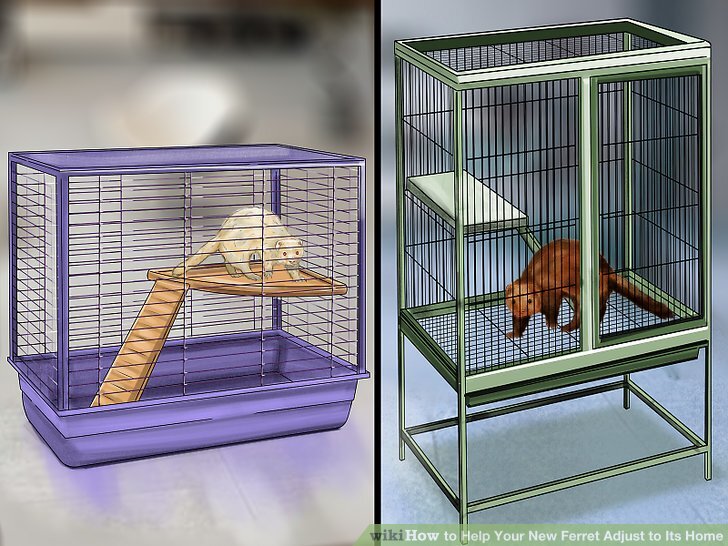
A ferret’s enclosure should be spacious enough to accommodate their natural behaviors. A general guideline is to provide at least 10 square feet of floor space per ferret. Larger enclosures, up to 20 square feet or more, are preferable, especially for multiple ferrets. The enclosure should be constructed of durable, non-toxic materials that are escape-proof. Solid floors are recommended to prevent injuries.
Height is important too; a minimum height of 2 feet is necessary for the ferrets to feel comfortable exploring and climbing.
Furnishings and Enrichment
A stimulating environment is crucial for a ferret’s well-being. This includes providing a variety of toys, hiding places, and climbing structures. These items should be made of non-toxic materials and be safe for the ferrets to interact with. Consider using cardboard tubes, tunnels, and soft blankets for hiding places. Durable chew toys, such as hard plastic or rubber toys, are also beneficial for preventing boredom and promoting healthy teeth.
Enrichment Activities
Regular enrichment activities are vital for preventing boredom and stimulating natural behaviors in ferrets. These activities should cater to their natural instincts, such as digging, climbing, and exploring. Examples of enrichment include hiding food in various locations, providing puzzle feeders, and introducing new objects or toys to their enclosure regularly. Rotating toys and furnishings will keep ferrets engaged and prevent them from becoming bored or destructive.
Essential Supplies
A well-equipped ferret habitat requires a variety of essential supplies. These include food and water bowls, bedding materials, litter boxes, and appropriate toys. High-quality ferret food formulated for their specific dietary needs should be provided. Ensure that fresh water is always available in a spill-proof water bowl. A litter box is essential for hygiene, placed in a quiet area away from food and water.
Adequate bedding materials, such as soft blankets or fleece, are needed for the ferrets to rest and sleep comfortably. A variety of toys will keep the ferrets engaged and entertained.
Types of Ferret Cages
| Cage Type | Pros | Cons |
|---|---|---|
| Wire Cages | Usually affordable, readily available, good ventilation | Can be prone to escapes if not securely constructed, may cause injuries if ferrets chew on wires, not ideal for hiding places |
| Plastic Cages | Durable, easy to clean, good for hiding places | Can be more expensive, may not have as good ventilation as wire cages |
| Custom-Built Cages | Tailored to specific needs, highly customizable, can incorporate features like tunnels and ramps | Can be more expensive and time-consuming to construct |
A comparison of different cage types illustrates the advantages and disadvantages of each option. Choosing the right cage depends on factors like budget, space, and the ferrets’ individual needs.
Diet and Nutrition

Proper nutrition is paramount for a ferret’s health and well-being. A balanced diet, tailored to their specific needs, supports optimal growth, energy levels, and overall vitality. This section details the crucial dietary aspects for ferrets, encompassing food types, portion sizes, potential deficiencies, and adjustments for different life stages.A ferret’s digestive system is uniquely adapted for a carnivorous diet.
This necessitates a diet rich in animal protein to support their energetic lifestyle and maintain healthy bodily functions. Ignoring these requirements can lead to various health problems, from mild discomfort to severe complications.
Dietary Requirements
A ferret’s diet should primarily consist of high-quality commercial ferret food. This type of food is specifically formulated to meet their nutritional needs, offering a balanced blend of protein, fat, vitamins, and minerals. Avoid feeding ferrets human food, as many common ingredients can be detrimental to their health. This includes, but is not limited to, sugary treats, dairy products, and foods high in carbohydrates.
Appropriate Food Types and Portion Sizes
High-quality commercial ferret food, specifically formulated for their needs, is the cornerstone of a healthy diet. This type of food provides a balanced array of nutrients crucial for their well-being. Portion sizes should be tailored to the ferret’s age, activity level, and overall health. Overfeeding can lead to obesity, while underfeeding can result in nutritional deficiencies.
Nutritional Deficiencies and Effects
Nutritional deficiencies can have a significant impact on a ferret’s health. Protein deficiencies, for example, can manifest as lethargy, weakness, and impaired growth. Vitamin deficiencies can lead to various symptoms, depending on the specific vitamin lacking. Consult a veterinarian if you suspect a nutritional deficiency.
Comparison of Commercial Ferret Foods
Different commercial ferret foods vary in their nutritional profiles. Some brands may emphasize higher protein content, while others may prioritize specific vitamin and mineral levels. Thoroughly review the ingredient list and nutritional information on the product label to determine the best fit for your ferret’s needs. Consider factors such as protein source, fat content, and the presence of essential vitamins and minerals.
Adjusting Feeding Schedules for Different Life Stages
Feeding schedules need adjustment based on the ferret’s life stage. Growing ferrets require more frequent and larger portions of food to support their development. Adult ferrets maintain their current food intake, while older ferrets might need smaller portions to prevent obesity. Always consult your veterinarian for personalized recommendations.
Recommended Daily Caloric Intake
| Weight (lbs) | Activity Level | Estimated Caloric Intake (kcal/day) |
|---|---|---|
| 1 | Low | 30-40 |
| 1 | Medium | 40-50 |
| 1 | High | 50-60 |
| 2 | Low | 60-80 |
| 2 | Medium | 80-100 |
| 2 | High | 100-120 |
Note: These are estimates, and individual needs may vary. Consult your veterinarian for personalized recommendations.
Handling and Socialization
Proper handling and socialization are crucial for building a strong bond with your ferret and ensuring their well-being. Early socialization helps shape their temperament and behavior, allowing them to interact comfortably with people and other animals. This section will detail safe handling techniques, the importance of early socialization, and strategies for introducing ferrets to other pets and family members.
It also addresses common behavioral issues like biting or aggression.
Safe Handling Techniques
Handling ferrets requires a gentle and firm approach to prevent injuries and ensure a positive experience for both you and your ferret. Always support the ferret’s body, keeping it close to your torso. Avoid sudden movements or rough handling. Using a ferret-safe carrier or a soft cloth can help maintain control and provide a sense of security.
- Use both hands to cradle the ferret, supporting its body from the chest to the base of its tail. This prevents it from twisting or struggling, and keeps it safe and secure.
- Avoid squeezing or grabbing the ferret tightly. A firm, but gentle, hold is best.
- Always handle ferrets with care, and avoid sudden movements that might frighten them.
- Never pick up a ferret by its tail, as this can cause pain and injury.
Importance of Early Socialization
Early socialization is essential for shaping a ferret’s temperament. Introducing ferrets to various sights, sounds, and experiences from a young age helps them develop into well-adjusted, confident pets. Socialization helps them develop appropriate responses to different stimuli, reducing the likelihood of behavioral problems later.
Introducing Ferrets to Other Pets and Family Members
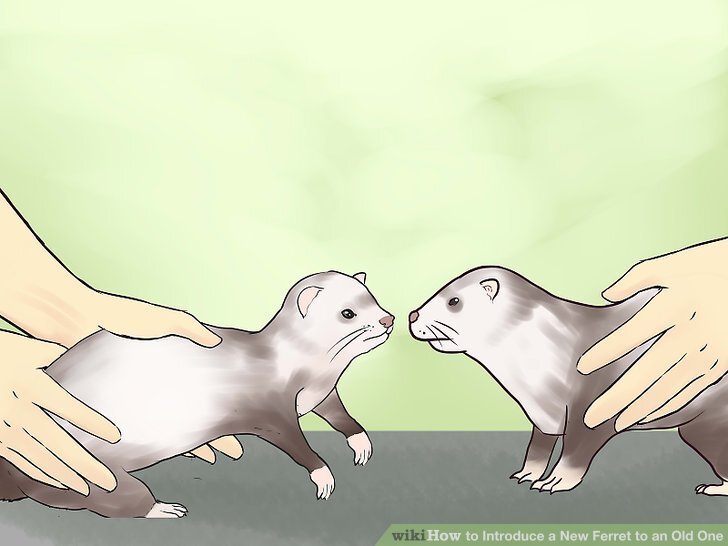
Introducing a ferret to other pets or family members should be done gradually and cautiously. Supervise interactions closely, and separate them if any signs of aggression or discomfort are present. Consider introducing them in a neutral space, allowing them to familiarize themselves without the pressures of established territories.
- Start with short, supervised interactions in a neutral environment.
- Introduce scents first, like placing a towel or blanket that has been used by the other animal near the ferret.
- Gradually increase interaction time and allow for mutual exploration.
- Ensure the other pets are also receptive and not fearful or aggressive.
Managing Behavioral Issues
Biting or aggression in ferrets can often be attributed to fear, stress, or lack of socialization. Understanding the root cause is key to addressing the issue effectively. Providing a safe and predictable environment, along with consistent training, can help manage these behaviors. Positive reinforcement methods, such as rewarding calm behavior, are crucial.
- Consistency is key in training and handling to avoid confusion for the ferret.
- If biting occurs, immediately stop the interaction and provide a time-out.
- Use positive reinforcement techniques, rewarding calm behavior and good interactions.
- Consult a veterinarian or animal behaviorist for professional guidance if behavior problems persist.
Appropriate and Inappropriate Handling Techniques
The following table Artikels examples of suitable and unsuitable handling techniques for ferrets:
| Appropriate Handling | Inappropriate Handling |
|---|---|
| Supporting the ferret’s body with both hands, cradling it gently. | Squeezing or grabbing the ferret tightly. |
| Handling the ferret slowly and calmly, avoiding sudden movements. | Picking up the ferret by its tail. |
| Using a soft cloth or carrier to help control the ferret. | Rough or forceful handling. |
| Offering treats or praise during handling to encourage positive associations. | Punishing the ferret for struggling or resisting. |
Training and Enrichment
Ferrets, despite their playful nature, thrive on mental stimulation. Proper training and enrichment activities are crucial for their overall well-being and happiness. A bored ferret is a stressed ferret, and this can manifest in undesirable behaviors. Providing opportunities for learning and exploration prevents boredom and promotes a healthy, balanced life.Positive reinforcement training methods are highly effective for ferrets, as they are motivated by rewards.
This approach focuses on rewarding desired behaviors, creating a positive association with training and building trust between ferret and owner. This approach is more likely to result in long-term success compared to aversive methods.
Effective Training Methods
Positive reinforcement training methods are the most effective approach for ferrets. They involve rewarding desired behaviors with treats, praise, or toys. This approach builds a positive association with training, encouraging cooperation and a willingness to learn. This method fosters trust and strengthens the bond between ferret and owner.
Importance of Mental Stimulation
Mental stimulation is essential for ferrets to prevent boredom and stress. A mentally stimulated ferret is a happy ferret. This can be achieved through a variety of enrichment activities, including puzzle toys, interactive games, and exploration opportunities. Mental stimulation prevents destructive behaviors and keeps ferrets engaged and satisfied.
Enrichment Activities
A variety of enrichment activities can cater to ferrets’ natural curiosity and playfulness. These activities stimulate their minds and bodies, promoting overall well-being. Regularly introducing new and engaging activities prevents boredom and promotes a healthy, happy ferret.
- Puzzle Toys: Puzzle toys, such as those with hidden treats or compartments, challenge ferrets to use their problem-solving skills. This stimulates their minds and provides mental enrichment. These toys can be specifically designed for ferrets, or adapted from other toys. Examples include puzzle feeders, treat-dispensing toys, and tubes with hidden compartments.
- Interactive Games: Interactive games can be tailored to a ferret’s specific interests. Simple games, like hiding treats around a play area or using a ferret-safe ball to play fetch, can provide a satisfying outlet for their natural hunting instincts and playfulness. These activities can also help strengthen the bond between ferret and owner.
- Exploration Opportunities: Providing a stimulating environment is key. A ferret’s enclosure should have varied textures, tunnels, and climbing structures. This allows them to explore and use their natural instincts, reducing stress and promoting mental engagement.
Teaching Basic Commands
Teaching basic commands, such as “come,” “leave it,” and “stay,” can enhance communication and improve the bond between ferret and owner. These commands can be taught using positive reinforcement techniques. This method creates a positive association with commands, making training a rewarding experience for the ferret.
- “Come”: To teach “come,” use a specific verbal cue, such as a word or phrase. Reward the ferret with a treat or praise whenever they approach you when you say the cue. This positive reinforcement reinforces the desired behavior. Practice in a controlled environment.
- “Leave It”: To teach “leave it,” hold a treat and say “leave it.” If the ferret sniffs or tries to take the treat, gently redirect their attention to a different activity. Reward the ferret when they stop trying to get the treat. This reinforces the desired behavior.
- “Stay”: To teach “stay,” hold the ferret and say “stay.” Gradually increase the duration of the stay. Reward the ferret when they stay in place. This builds on the “come” command.
Comparison of Training Methods
| Training Method | Effectiveness | Suitability for Ferrets |
|---|---|---|
| Positive Reinforcement | Highly effective, builds trust and positive association | Excellent; ferrets respond well to rewards and praise |
| Aversive Methods | Potentially effective but can be detrimental to trust and welfare | Not recommended; may lead to fear and aggression |
Health and Veterinary Care

Ensuring the well-being of your ferret is paramount. Regular veterinary care is crucial for early detection and treatment of potential health problems. Ferrets, despite their playful nature, are susceptible to various illnesses, making proactive health management essential. A strong veterinarian-client relationship is key to providing the best possible care.Veterinary check-ups allow for preventative health measures, early disease detection, and proper vaccinations.
A proactive approach is key to maintaining your ferret’s health and longevity.
Importance of Regular Veterinary Check-ups
Regular veterinary check-ups are vital for ferret health. These visits allow for the identification of potential health issues early on, when they are often easier and less expensive to treat. Veterinarians can perform thorough examinations, including blood work and urinalysis, to detect underlying problems that may not be apparent through casual observation. These check-ups also allow for the administration of necessary vaccinations and preventative medications to maintain optimal health.
Early detection can prevent serious illness and complications.
Common Ferret Health Issues
Ferrets are prone to various health problems, some of which are more common than others. These issues can range from minor ailments to more serious conditions. Understanding the common signs and symptoms is essential for recognizing when veterinary attention is required. Prompt intervention is crucial for the successful treatment and recovery of a sick ferret. Examples include respiratory infections, dental problems, and digestive issues.
Preventative Health Measures
Maintaining a healthy environment and diet, along with regular veterinary care, are vital preventative measures. Proper nutrition, appropriate housing conditions, and stress reduction all play a role in overall ferret health. Vaccination schedules and parasite prevention are also key components of preventative health. A balanced diet and a clean living space are important.
Signs to Look Out For in a Sick Ferret
Recognizing the signs of illness in your ferret is crucial for timely intervention. These signs can range from subtle changes in behavior to more obvious symptoms. Prompt recognition and veterinary attention are essential for effective treatment. Look for changes in appetite, lethargy, discharge from eyes or nose, vomiting, diarrhea, or unusual vocalizations. Any unusual changes in behaviour warrant a vet visit.
Common Ferret Illnesses and Treatment Options
| Illness | Symptoms | Treatment Options ||—————————–|———————————————————————————————————–|———————————————————————————————————————————————|| Respiratory Infections | Sneezing, coughing, nasal discharge, lethargy, difficulty breathing, fever | Antibiotics, supportive care (warmth, fluids), oxygen therapy, possibly antiviral medications, depending on the specific pathogen || Dental Problems | Difficulty eating, drooling, bad breath, pawing at mouth, swelling around the mouth, weight loss | Professional dental cleaning, antibiotics, pain management, dietary changes || Gastrointestinal Issues | Vomiting, diarrhea, loss of appetite, lethargy, dehydration | Fluids, anti-nausea medications, medications to address the underlying cause (e.g., parasite removal), dietary changes || Upper Respiratory Infections | Sneezing, coughing, nasal discharge, lethargy, fever | Antibiotics, supportive care (warmth, fluids), oxygen therapy, rest || Skin Infections | Redness, sores, hair loss, scratching, inflammation, pain, fever | Topical medications, antibiotics, anti-inflammatory medications, addressing underlying causes like allergies, or parasites, if applicable |
Safety and Hygiene
Proper safety and hygiene practices are crucial for maintaining a healthy ferret environment and preventing potential health issues. A clean and safe environment minimizes the risk of illness and ensures your ferret thrives. Consistent attention to detail in cleaning and waste disposal is key to ferret well-being.Maintaining a safe and hygienic space for your ferret is paramount. This involves careful selection of cleaning products, meticulous enclosure cleaning, responsible waste disposal, and proactive measures to prevent and address potential health hazards.
Ferret-Safe Cleaning Products
Choosing appropriate cleaning products is essential for ferret safety. Many common household cleaners contain harsh chemicals toxic to ferrets. Using products specifically formulated for pet use or those deemed safe for sensitive individuals is recommended.
- Avoid cleaning products containing ammonia, bleach, chlorine, or strong acids.
- Select cleaning products explicitly labeled as “pet safe” or “safe for sensitive skin.”
- Thoroughly read product labels to identify potential hazards and ensure the product is compatible with your ferret’s environment.
Cleaning a Ferret’s Enclosure
Regular and thorough cleaning of the enclosure is critical for preventing the buildup of pathogens and maintaining a healthy environment.
- Preparation: Remove all items from the enclosure, including bedding, toys, and food and water bowls. Dispose of soiled bedding and wash or sanitize all removable items.
- Cleaning: Use a mild, pet-safe cleaning solution. Scrub all surfaces of the enclosure, including floors, walls, and any hard-to-reach areas. Pay special attention to areas where ferrets tend to rest and urinate. Rinse thoroughly to remove all traces of cleaning solution. Ensure the enclosure is completely dry before returning any items.
- Disinfection (Optional but Recommended): For added hygiene, you can use a pet-safe disinfectant solution. Follow the manufacturer’s instructions carefully, and always rinse thoroughly to remove any residue.
Waste Disposal
Proper waste disposal is essential to prevent the spread of disease and maintain a hygienic environment.
- Collection: Collect ferret waste promptly and hygienically in a sealed container.
- Disposal: Dispose of waste in a covered garbage can or designated container outside of the ferret’s enclosure and living space.
- Cleaning: Clean and disinfect the area where waste is collected to prevent the spread of pathogens. A gentle cleaning solution is recommended.
Preventing and Dealing with Common Ferret Health Hazards
Proactive measures can significantly reduce the risk of common ferret health hazards.
- Parasites: Regular parasite prevention is essential. Consult your veterinarian for recommendations on preventative measures.
- Respiratory Infections: Maintain good air quality in the enclosure and avoid dusty or moldy environments. Proper ventilation is key.
- Dental Problems: A balanced diet and regular veterinary checkups can help maintain healthy teeth and gums.
- Skin Issues: Regular cleaning of the enclosure and use of appropriate bedding can help prevent skin irritations. Monitor your ferret for signs of skin problems, and consult a vet if necessary.
Safe and Unsafe Cleaning Products for Ferrets
| Safe Cleaning Products | Unsafe Cleaning Products |
|---|---|
| Pet-safe disinfectants | Bleach |
| Mild dish soap | Ammonia |
| Vinegar solution (diluted) | Chlorine |
| Pet-safe wipes | Strong acids |
| Enzyme cleaners | Commercial drain cleaners |
Common Mistakes and Troubleshooting
Proper ferret ownership involves understanding their unique needs and addressing potential challenges proactively. This section highlights common pitfalls and provides practical solutions to foster a harmonious relationship with your ferret companion. Addressing these issues promptly can prevent behavioral problems and ensure a happy and healthy life for your pet.A proactive approach to ferret care minimizes potential issues. Early intervention and consistent training are key to addressing any challenges that may arise.
Understanding the typical behaviours and patterns of ferrets is crucial in interpreting their actions and identifying any deviations from the norm.
Identifying Common Mistakes in Ferret Ownership
Many common mistakes in ferret ownership stem from a lack of understanding of their natural behaviours and needs. Misinterpreting their actions or failing to provide adequate enrichment can lead to behavioral problems. Insufficient socialization during their formative period can result in fearfulness or aggression towards unfamiliar individuals or situations.
Addressing Behavioral Problems in Ferrets
Behavioral issues in ferrets can manifest in various forms, from excessive vocalization to aggression. A calm and consistent approach is vital. Recognizing the root cause of the behavior is essential for effective intervention. For example, excessive digging could indicate boredom or a lack of appropriate outlets for their natural instincts. Providing stimulating toys, tunnels, and interactive play sessions can help redirect the behavior.
Troubleshooting Issues with Feeding, Housing, or Socialization
Issues with feeding, housing, or socialization often arise from mismatches between ferret needs and the owner’s provision. Inconsistent feeding schedules can lead to anxiety or digestive upset. Inadequate housing, lacking appropriate enrichment, or insufficient socialization can result in behavioral problems. Providing a secure and stimulating environment with proper enrichment items, and introducing your ferret to other pets or people gradually, can help alleviate these issues.
Troubleshooting Housing
A ferret’s housing should provide a secure and stimulating environment. Poor ventilation, inadequate space, or inappropriate bedding materials can lead to health problems. Ensure the cage has proper ventilation and is large enough to accommodate the ferret’s needs, using appropriate bedding and enrichment materials.
Troubleshooting Feeding
Incorrect feeding practices can cause health issues. Overfeeding, providing inappropriate food types, or inconsistent feeding schedules can lead to digestive problems. Follow a balanced and appropriate diet for your ferret’s age and activity level. Consult a veterinarian if your ferret has digestive issues.
Troubleshooting Socialization
Socialization is crucial for a ferret’s well-being. Lack of socialization can result in fearfulness or aggression. Expose your ferret to various sights, sounds, and people gradually, while ensuring their comfort and safety.
Resolving Ferret-Related Conflicts
Conflicts between ferrets or between ferrets and other pets can arise from competition for resources or territorial disputes. A calm and measured approach is necessary to resolve conflicts. Separate the conflicting ferrets and provide ample resources for each. Consult a veterinarian or experienced ferret handler if the conflict persists.
Table of Common Ferret Problems and Solutions
| Problem | Possible Causes | Solutions |
|---|---|---|
| Excessive vocalization | Boredom, hunger, loneliness, or illness | Provide enrichment, ensure proper feeding schedule, offer more interactive toys. Consult a veterinarian if the behavior persists. |
| Aggression | Lack of socialization, fear, competition for resources | Gradual socialization, provide adequate space and resources, consult a veterinarian. |
| Digging | Boredom, lack of stimulation | Provide digging boxes, tunnels, or other stimulating activities. |
| Inappropriate urination/defecation | Stress, illness, or a medical issue | Assess the environment, address any stress factors. Consult a veterinarian for medical conditions. |
| Excessive chewing | Boredom, lack of appropriate toys | Provide suitable chew toys, enrichment activities. |
Closing Notes
In conclusion, taming a new ferret is a rewarding experience that requires dedication and a deep understanding of their needs. By meticulously following the steps Artikeld in this guide, you’ll be well-equipped to create a safe, stimulating, and enriching environment for your ferret. Remember, responsible ferret ownership is key to fostering a healthy and happy relationship with your new companion.