Puppy biting and nipping can be a frustrating experience for both owners and the young pup. This comprehensive guide delves into the nuances of this common puppy behavior, providing a detailed roadmap to understanding, preventing, and effectively addressing these issues. The guide explores various aspects, from understanding the underlying causes and developmental stages to implementing practical training techniques and addressing potential underlying anxieties.
This guide emphasizes positive reinforcement methods and a proactive approach, focusing on building a strong bond with your puppy while establishing clear boundaries. By addressing the root causes of biting, owners can effectively manage the behavior and foster a harmonious relationship with their furry friend.
Understanding Puppy Biting and Nipping
Puppy biting and nipping are common behaviors in young dogs, often misunderstood as aggressive acts. However, these behaviors are typically a part of their development and learning process. Understanding the reasons behind these actions and the different types of bites is crucial for effective training and preventing potential problems. This section will explore the motivations, stages, and variations in puppy biting to help owners manage this behavior appropriately.Puppy biting and nipping are largely driven by the natural need to explore and interact with their environment.
They use their mouths to investigate, play, and communicate, just as human infants do. Understanding the nuances of these behaviors allows for appropriate responses that support the puppy’s development while also protecting them from injury.
Reasons Behind Puppy Biting and Nipping
Puppy biting and nipping behaviors are rooted in several factors. These behaviors are often a way for puppies to explore and interact with their surroundings, a fundamental part of their learning process. Puppies explore the world using their mouths, which is a natural way for them to examine objects and learn about their environment. These actions are often intertwined with play.
Types of Puppy Bites
Puppy bites manifest in various forms, each reflecting different motivations. Understanding these variations helps owners respond appropriately.
- Play Bites: These bites are characterized by light pressure and a playful attitude. Puppies often exhibit yelps or barks alongside the biting, indicating the playful nature of the interaction. Play bites typically involve quick, soft nips, and are usually accompanied by other forms of playful body language, like playful growls or bouncy movements.
- Frustration Bites: These occur when puppies feel overwhelmed, frustrated, or unable to communicate their needs effectively. These bites may be more forceful and less playful, sometimes accompanied by a lack of yelps or barks. Frustration bites often occur when a puppy is overstimulated, tired, or in pain.
- Fear Bites: These bites are defensive reactions, stemming from fear or anxiety. A fearful puppy may bite out of a protective instinct, even if they don’t intend to hurt. These bites often occur in response to sudden movements, loud noises, or unfamiliar situations. Fear bites can be characterized by a lack of playful signals and often accompany other signs of fear, such as whimpering or hiding.
- Dominance Bites: This is a less common type of bite, typically seen in puppies who haven’t learned appropriate social cues. These bites often involve more intense pressure and may not be accompanied by playful signals. Dominance bites may be a sign of a need for clearer boundaries or training.
Developmental Stages of Puppy Biting
Puppy biting behaviors change significantly as puppies mature. Understanding these developmental stages helps owners tailor their responses accordingly.
- Early Stages (0-3 months): Puppies are primarily focused on exploration and sensory learning. Their bites are generally soft and playful, as they are still developing the ability to regulate their bite force. They may mouth or nibble at hands and feet, and are exploring their environment.
- Middle Stages (3-6 months): Puppies start to become more aware of their environment and other individuals. Biting behavior might become more frequent and forceful, especially during play. It’s essential to establish clear boundaries and teach appropriate play behavior. This is also a time when puppies might experience more frustration bites if they are unable to communicate their needs effectively.
- Later Stages (6-12 months): Puppies are developing a better understanding of social cues and the consequences of their actions. Biting behavior should become less frequent and less forceful as they learn to communicate their needs and desires in a more appropriate way. By this time, puppies can start to understand commands and training.
Biting Behavior Between Different Breeds
Breed-specific characteristics can influence puppy biting behaviors. Some breeds, like those with a strong prey drive, might exhibit more forceful play bites.
- Some breeds are known for being more playful and having a higher propensity for biting during play. This doesn’t necessarily mean they are aggressive; it is a trait that needs to be addressed with training.
- Other breeds might exhibit more nipping or biting when feeling overwhelmed or anxious, often requiring specific handling techniques.
Importance of Recognizing Nuances of Biting and Nipping
Recognizing the nuances of puppy biting and nipping behaviors is critical to addressing the root cause and preventing escalation. Ignoring or misinterpreting the signals can lead to unwanted behaviors or misunderstandings. Careful observation and understanding help in providing appropriate and effective training methods.
Table Demonstrating the Link Between Puppy Behavior and Age
The following table provides a general guideline for the expected biting behavior at different ages. It is not a definitive rule, and individual variations exist.
| Age (Months) | Typical Behavior | Important Considerations |
|---|---|---|
| 0-3 | Exploration, mouth-to-environment interaction | Establish handling routines; focus on gentle interaction |
| 3-6 | Increased playfulness, potential for more forceful bites | Introduce bite inhibition training; set boundaries |
| 6-12 | Understanding of social cues; decreasing bite frequency | Continue positive reinforcement; address any lingering issues |
Preventing Puppy Biting and Nipping
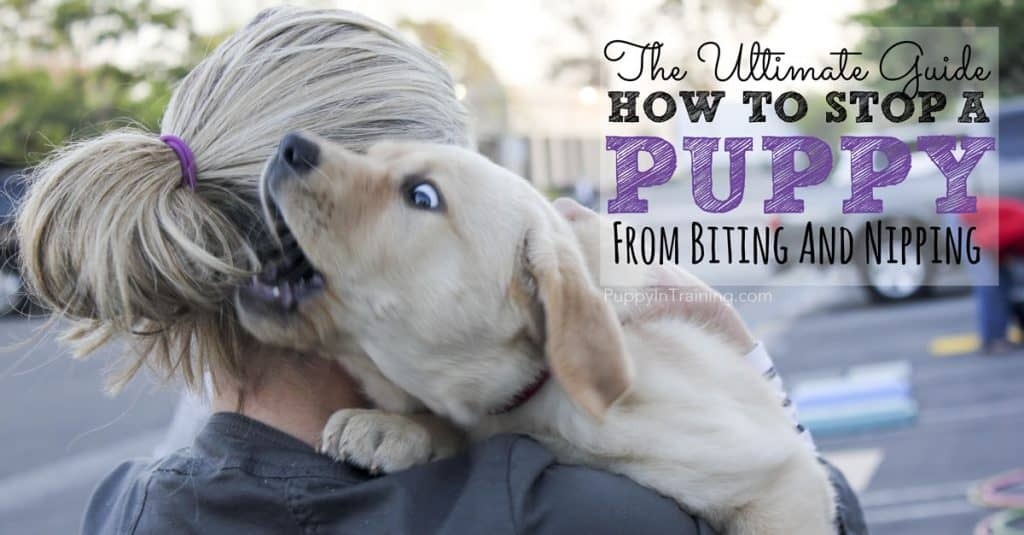
Early intervention is crucial in curbing puppy biting and nipping behaviors. A proactive approach focused on understanding and addressing the underlying causes is vital for shaping a well-behaved companion. Positive reinforcement techniques, coupled with consistent training, play a significant role in achieving this goal.A proactive approach to puppy biting prevention involves understanding that puppies, particularly those under six months old, often bite or nip as a way of exploring their surroundings and interacting with their environment.
This behavior is a natural part of their development and exploration, but it can be frustrating for owners if not addressed promptly and appropriately. Early training and socialization are key to preventing this behavior from becoming a habit.
Redirecting Puppy Attention
Effective redirection strategies are essential to prevent biting. When a puppy exhibits biting or nipping behavior, immediately redirect their attention to a more appropriate activity. This could involve offering a toy, engaging in a game of fetch, or providing a chewable treat. Consistency in these responses is critical for the puppy to understand the desired behavior. For instance, if a puppy bites at your hand, immediately offer a chew toy and praise their engagement with it.
This association links the desired behavior (playing with the toy) with positive reinforcement (praise and attention).
Providing Appropriate Outlets for Energy and Play
Puppies require ample physical and mental stimulation to prevent frustration and boredom, which can lead to undesirable behaviors like biting. Regular exercise, playtime, and interactive activities are vital for a healthy and well-adjusted puppy. These activities help expend excess energy, promoting calmness and reducing the likelihood of biting out of frustration. A tired puppy is a less likely to bite.
For example, a short walk followed by a play session in the backyard can effectively tire out a puppy and prevent unwanted behaviors.
Consistent Training Routine
Establishing a consistent training routine is crucial for shaping desired behaviors. A structured schedule helps puppies understand expectations and learn to respond appropriately. Consistency in training signals, rewards, and corrections ensures the puppy understands what is acceptable and unacceptable. This helps to build a positive and predictable environment, reducing the likelihood of frustration-based biting incidents. This consistent approach builds trust and predictability in the puppy’s interactions with its surroundings and owners.
Common Mistakes in Preventing Biting
| Mistake | Explanation | Solution |
|---|---|---|
| Ignoring the behavior | Failing to address biting or nipping, allowing the behavior to continue without intervention. | Immediately redirect the puppy’s attention to a suitable alternative activity. |
| Using punishment | Employing physical punishment or harsh reprimands. | Use positive reinforcement techniques, rewarding desired behaviors. |
| Inconsistency in training | Varying training methods or responses, confusing the puppy. | Maintain a consistent routine and approach to training. |
| Insufficient exercise | Not providing enough physical and mental stimulation. | Ensure adequate exercise, playtime, and interactive activities. |
Positive Reinforcement Methods
Positive reinforcement is a cornerstone of effective puppy training. Rewarding desired behaviors with praise, treats, or toys strengthens those actions. This approach fosters a positive association between the behavior and the reward, encouraging repetition of the desired action. For example, when a puppy stops biting and approaches a toy, reward this behavior with praise and a treat.
This reinforces the positive behavior. Positive reinforcement methods should be employed consistently throughout the puppy’s training journey.
Responding to Puppy Biting and Nipping
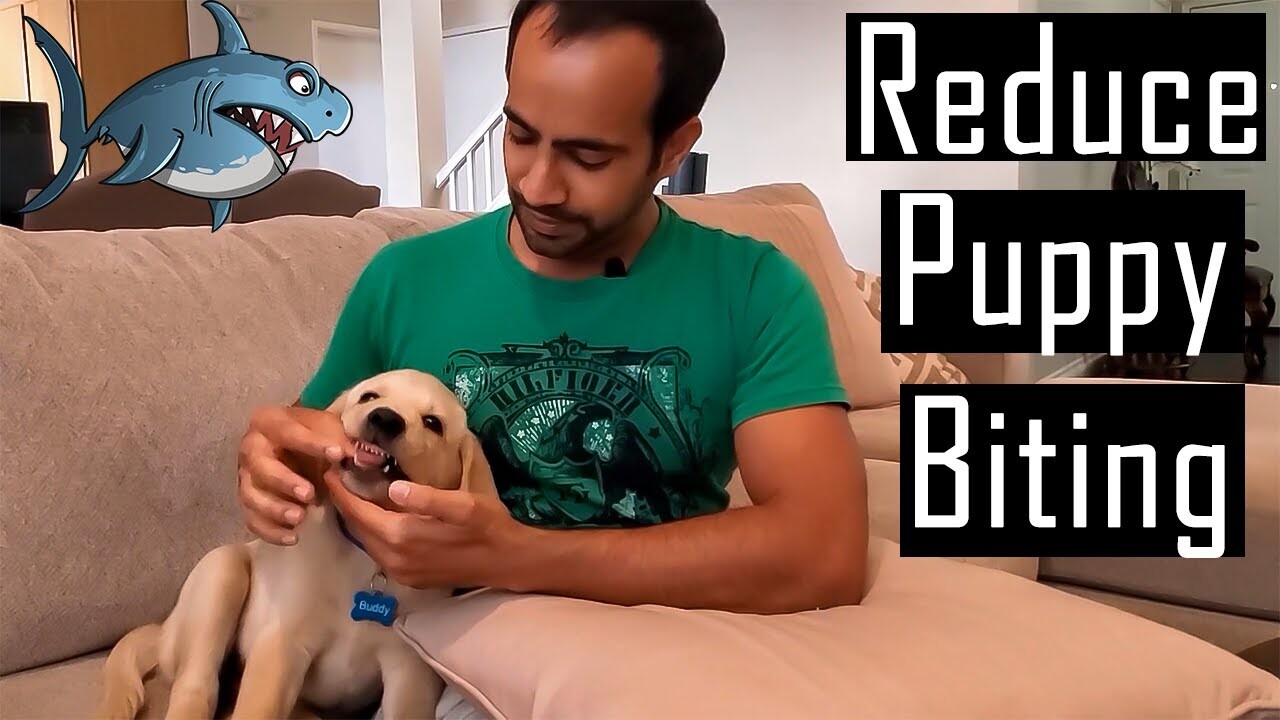
Addressing puppy biting and nipping requires a prompt and consistent response. Ignoring this behavior can lead to more frequent and intense biting, potentially establishing a pattern that is difficult to break. Effective methods focus on redirection, positive reinforcement, and clear communication to the puppy.Responding to biting involves more than just stopping the behavior; it also involves shaping desired alternative behaviors.
This proactive approach helps the puppy understand acceptable interactions and encourages positive engagement.
Responding to the Bite
A prompt and consistent response is key to modifying the puppy’s behavior. A firm, but gentle, correction should immediately follow the bite. This should not be harsh punishment, but a clear signal that the behavior is unacceptable. Avoid physical punishment as this can lead to fear and anxiety.
High-Value Reward System
Reinforcing desirable behaviors is crucial. A high-value reward system focuses on rewarding the puppy for behaviors that are the opposite of biting. These rewards could be treats, toys, or praise. The reward should be given immediately after the desired behavior, such as gentle play or calm interactions. This strengthens the positive association with the desired action.
For example, if the puppy is playing gently with a toy, a treat is immediately given.
Stopping Biting with Firmness and Consistency
Stopping biting requires firmness and consistency. A clear “no” or a brief, sharp sound (like a “tss”) can be used to interrupt the biting behavior. Immediately redirect the puppy to a more acceptable activity. This consistency is vital for the puppy to understand the expected behavior. Avoid prolonged or harsh reprimands.
The goal is to quickly and calmly redirect the puppy to a more appropriate activity.
Methods for Stopping Biting and Nipping
Different methods can be used to deter biting and nipping. These methods range from simple verbal corrections to more involved training techniques. The effectiveness of each method varies depending on the puppy’s personality and the specific situation. A combination of approaches is often the most effective strategy.
Types of Deterrents and Their Effectiveness
Various deterrents can be employed to discourage biting. These can range from verbal cues to physical barriers. The effectiveness depends on the puppy’s understanding and the consistency of the approach. The focus should be on teaching the puppy appropriate behaviors rather than simply suppressing unwanted actions.
Comparing Deterrent Methods
| Deterrent Method | Pros | Cons | Appropriateness |
|---|---|---|---|
| Verbal Correction (“No”) | Simple, quick, low-impact | May not be sufficient for persistent biting | Good for mild biting, early training |
| Time-Out | Removes the puppy from the situation | Can be perceived as punishment | Considerate if biting is severe |
| Distraction | Redirects attention | May not be effective for highly motivated biting | Good for minor nipping, engaging in play |
| Physical Deterrents (e.g., Bitter Spray) | Can be very effective | Potential for adverse reactions, fear, and discomfort | Use with caution, only as a last resort |
The table above summarizes different deterrent methods and their relative appropriateness for managing puppy biting and nipping. Carefully consider the pros and cons of each method before implementing it. Consistency is crucial for the puppy to understand the expected behavior.
Training Techniques for Puppies
Puppy training is a crucial aspect of raising a well-behaved and happy companion. A key element of this training is teaching bite inhibition, which is essential for preventing injuries and establishing appropriate social interactions. Positive reinforcement methods are highly effective in shaping a puppy’s behavior and building a strong bond between you and your furry friend.Effective training techniques go beyond simply correcting unwanted behaviors; they focus on building positive associations and understanding your puppy’s developmental needs.
This involves recognizing that puppies learn through play and interaction, and creating an environment that fosters healthy development is critical to their success.
Bite Inhibition Training
Teaching bite inhibition involves systematically discouraging biting and nipping while reinforcing gentle interactions. This requires consistent application of positive reinforcement methods and understanding that puppies are still developing their bite control. The goal is to teach the puppy to understand that gentle play is preferred over biting.
Positive Reinforcement Techniques
Positive reinforcement involves rewarding desired behaviors. When a puppy engages in gentle play, praise them enthusiastically with words like “good boy/girl” and offer a treat. This reinforces the desired behavior, making it more likely to occur again. If a puppy bites or nips, immediately stop the interaction, and redirect their attention to a suitable alternative, like a toy.
Avoid punishment, as it can be counterproductive and may create fear or anxiety.
The Role of Play in Puppy Development
Play is an integral part of a puppy’s development, allowing them to explore their surroundings, socialize with other animals, and develop essential skills. Appropriate play provides crucial opportunities for physical and mental stimulation. This is a fundamental component of puppy training, and helps them develop their natural instincts in a safe and controlled environment.
Managing Play Sessions
Supervising play sessions is crucial. Ensure that the play is not overly rough, and intervene if the puppy’s behavior escalates into biting. Short, frequent play sessions are often more effective than extended periods of play, allowing for proper breaks and preventing the puppy from becoming overstimulated. Understanding your puppy’s cues is vital; recognizing signs of exhaustion or frustration is key to preventing problems.
Consistent Rules and Boundaries
Establishing clear rules and boundaries is essential for a puppy’s understanding of acceptable behavior. Consistency in enforcing these rules is key to effective training. A predictable environment helps the puppy understand expectations, which is essential for reducing unwanted behaviors.
Teaching “Leave It” and “Drop It”
These commands are crucial for teaching a puppy to relinquish objects and stop unwanted behaviors. The “leave it” command teaches the puppy to ignore a desired object, while “drop it” encourages them to release something they have in their mouth. Positive reinforcement, such as treats, praise, and toys, should be used to reinforce the desired behavior.
Table of Puppy Training Techniques and Application
| Training Technique | Description | Application |
|---|---|---|
| Bite Inhibition | Discouraging biting and reinforcing gentle play | Reward gentle interactions; immediately stop play if biting occurs. |
| Positive Reinforcement | Rewarding desired behaviors | Praise and reward gentle play; ignore or redirect unwanted behaviors. |
| Play Management | Supervising play sessions | Intervene if play becomes too rough; keep sessions short and frequent. |
| Consistent Boundaries | Establishing clear rules | Use consistent verbal cues and body language to communicate rules. |
| “Leave It” | Teaching to ignore a desired object | Offer an alternative reward; use “leave it” command to redirect attention. |
| “Drop It” | Encouraging releasing an object | Offer a more appealing alternative; use “drop it” command. |
Addressing Underlying Issues

Understanding a puppy’s biting and nipping behavior requires delving beyond surface-level responses. Often, underlying issues, such as anxiety or fear, can significantly impact a puppy’s interactions. Addressing these underlying causes is crucial for long-term behavioral modification and building a positive relationship.While training techniques are vital, focusing solely on training without understanding the root cause can lead to inconsistent results and potentially exacerbate the problem.
Addressing anxiety and fear, creating a secure environment, and employing desensitization techniques are integral components of a comprehensive approach to stopping puppy biting.
Potential Underlying Issues
Puppy biting and nipping can stem from various factors, including fear, anxiety, or a lack of appropriate socialization. Understanding these potential issues is essential to implementing effective solutions. Identifying the specific cause will guide the most appropriate interventions.
Anxiety and Fear in Puppies
Puppies, like humans, can experience anxiety and fear. These emotions can manifest as biting or nipping. A fearful puppy may bite out of self-defense or to communicate distress. Anxiety can also trigger biting, especially in unfamiliar or overwhelming situations. Understanding the cues of fear and anxiety, such as whimpering, tail tucked, or avoiding eye contact, is critical in responding appropriately.
Addressing Underlying Issues through Positive Reinforcement
Positive reinforcement is a powerful tool for addressing underlying issues. By rewarding calm and appropriate behaviors, puppies learn to associate those actions with positive outcomes. This approach helps build confidence and reduces the likelihood of resorting to biting as a coping mechanism. Consistent positive reinforcement and a patient approach are essential.
Creating a Safe and Stimulating Environment
A safe and stimulating environment plays a crucial role in preventing biting and nipping behaviors. This includes providing a comfortable den or space where the puppy can retreat when feeling overwhelmed. A stimulating environment can include interactive toys, puzzle feeders, and opportunities for controlled socialization with other puppies and people.
Desensitization and Counter-conditioning for Fearful Puppies
Desensitization and counter-conditioning are valuable techniques for fearful puppies. Desensitization gradually exposes the puppy to the trigger causing fear, while counter-conditioning pairs the trigger with a positive experience, such as a favorite treat or a favorite toy. This gradual process helps the puppy overcome fear responses and associate the trigger with something pleasant.
Environmental Factors Triggering Biting
Environmental factors can contribute significantly to a puppy’s biting behavior. Recognizing these factors allows for proactive adjustments to create a more supportive environment.
| Environmental Factor | Description | Example |
|---|---|---|
| Loud Noises | Sudden, unexpected noises can startle a puppy, leading to biting. | Fireworks, thunderstorms, vacuum cleaners |
| Overcrowding | A cramped environment can induce stress and anxiety, making biting more likely. | Too many people or animals in a small space |
| Unfamiliar People/Animals | Interactions with unfamiliar individuals or animals can trigger fear or anxiety. | Visitors, other dogs, strangers |
| Sudden Movements | Quick, unexpected movements can be interpreted as threats, resulting in biting. | Running, jumping, sudden approach |
| Unfamiliar Smells/Objects | New scents or objects in the environment can provoke fear and anxiety. | New furniture, new cleaning products |
Puppy Socialization
Proper puppy socialization is crucial for raising a well-adjusted and well-behaved dog. A puppy’s early experiences significantly shape its future interactions with the world. Early socialization exposes the puppy to various stimuli, teaching it how to react appropriately to different situations. This process fosters confidence and reduces the likelihood of developing behavioral problems later in life.Puppy socialization is not just about preventing biting and nipping; it’s a foundational element of responsible dog ownership.
It equips the puppy with the necessary skills to navigate a complex world, from interacting with other dogs and people to tolerating novel sights, sounds, and smells. A well-socialized puppy is more likely to be a happy and well-adjusted companion.
Importance of Socialization in Preventing Future Behavioral Issues
Socialization is paramount in mitigating potential behavioral problems. A lack of socialization can lead to fear-based aggression, reactivity, separation anxiety, and other problematic behaviors. For example, a puppy not exposed to various sounds during puppyhood may develop fear and anxiety around loud noises later on, potentially leading to barking or avoidance behaviors. Exposure during the critical socialization period (typically 3-12 weeks of age) is essential for building confidence and resilience.
Strategies for Safe and Effective Socialization
Safe and effective socialization involves careful planning and positive reinforcement. Introduce puppies to new situations gradually and positively. Start with controlled environments like quiet parks or familiar, friendly dogs, progressing to more challenging scenarios over time. Avoid overwhelming the puppy with too many new experiences at once, which could be detrimental. Always supervise interactions and ensure the puppy is comfortable.
Positive Socialization Experiences
Positive socialization experiences involve creating safe and enjoyable interactions. A puppy should experience friendly interactions with other dogs and people. Exposing puppies to various sights, sounds, and smells is crucial, as this builds their confidence and ability to adapt to new situations. For example, a walk in a quiet park where other dogs are on leash and are well-behaved can be a valuable experience.
Visiting a pet store, where people are interacting calmly with other animals, can also be beneficial. It is important to remember to keep the puppy relaxed and calm during these experiences.
Checklist for Responsible Puppy Socialization
A structured checklist aids in ensuring comprehensive exposure and consistent positive interactions. The checklist should include a record of interactions, noting the types of stimuli encountered (sights, sounds, smells), and the puppy’s response. This documentation will help you gauge the effectiveness of your socialization efforts and identify any areas requiring further attention.
- Document each socialization experience, noting the date, time, location, and the puppy’s interactions.
- Ensure the environment is safe and controlled, with minimal distractions.
- Introduce new stimuli gradually and positively.
- Supervise all interactions and ensure the puppy remains comfortable and calm.
- Use positive reinforcement to reward calm and appropriate behaviors.
Exposure to Various Sights, Sounds, and Smells
Systematic exposure to a variety of sights, sounds, and smells is vital for a well-rounded socialization process. A puppy should be exposed to different people (children, adults, of different ages and sizes), dogs (different breeds and sizes), and other animals (cats, rabbits, etc.). Sounds like car horns, construction noises, and even thunderstorms should be introduced gradually. Smells, including those from various objects and environments, should also be introduced gradually.
This comprehensive exposure helps build resilience and adaptability.
Professional Help
Seeking professional guidance can be invaluable when dealing with puppy biting and nipping issues. A qualified professional can offer tailored strategies and support, helping you understand the underlying causes and develop effective solutions. This approach can significantly reduce the likelihood of the behavior continuing and can prevent the development of more complex behavioral problems.Often, a multifaceted approach combining owner education, behavior modification, and potential underlying health assessments is most successful.
A professional’s expertise allows for a comprehensive evaluation, ensuring the most appropriate course of action is taken.
Importance of Veterinary Consultation
Veterinary evaluation is crucial for ruling out any underlying medical conditions that might be contributing to the biting or nipping. Conditions such as pain, dental issues, or certain neurological disorders can manifest as aggressive or defensive behaviors. A veterinarian can conduct a physical examination, including assessing the puppy’s overall health, and recommend appropriate diagnostic tests if needed. This proactive step ensures that any medical concerns are addressed before focusing solely on behavioral modification.
Role of a Certified Dog Trainer
A certified dog trainer possesses specialized knowledge and experience in canine behavior. They can help you understand the puppy’s communication cues and develop positive reinforcement training methods. They can also offer valuable insight into the puppy’s social development and provide guidance on socialization strategies. This expertise can be particularly beneficial in addressing complex behavioral issues or when owners feel overwhelmed by the challenges.
Finding Qualified Professionals
Finding a qualified veterinarian or dog trainer is vital for successful intervention. Recommendations from trusted sources, such as fellow pet owners or local animal shelters, can be valuable. Online directories specializing in pet services, or local veterinary clinics and animal hospitals, can also be valuable resources. Ensure the professional has relevant certifications and experience working with puppies.
Look for testimonials and reviews to gauge their expertise and suitability.
Situations Requiring Professional Help
Professional help is essential in several situations. If the biting or nipping is severe, persistent, or escalating despite consistent attempts at home remedies, seeking professional guidance is recommended. When the behavior is interfering with daily life or poses a safety concern, professional help should be considered. If you suspect underlying medical issues, or if the puppy displays aggressive or fearful behaviors, immediate consultation with a veterinarian and/or a certified dog trainer is necessary.
Resources for Dog Training and Behavior
- Local Animal Shelters: Many animal shelters have partnerships with certified dog trainers and can provide recommendations for professionals in the area. These shelters are often a great starting point due to their focus on animal welfare and community connections.
- Veterinary Clinics: Veterinary clinics can provide referrals to dog trainers or behaviorists familiar with working with pets in their area. Veterinarians have insight into the health and behavior of animals, and referrals from them are trustworthy.
- Online Directories: Numerous online directories specialize in pet services, allowing for convenient searching for certified dog trainers and behaviorists in specific geographic areas. Use s like “dog trainer,” “puppy training,” or “dog behaviorist” to locate relevant professionals.
| Resource Type | Description | Example |
|---|---|---|
| Local Animal Shelters | Provide recommendations for certified dog trainers and behaviorists in the area. | “The local Humane Society can connect you with trainers in the area.” |
| Veterinary Clinics | Referrals to dog trainers and behaviorists familiar with working with pets. | “Your veterinarian can provide a list of trainers who understand animal behavior.” |
| Online Directories | Specialize in pet services, allowing for convenient searching. | “Websites like Rover or Wag! may list certified dog trainers in your area.” |
Final Summary
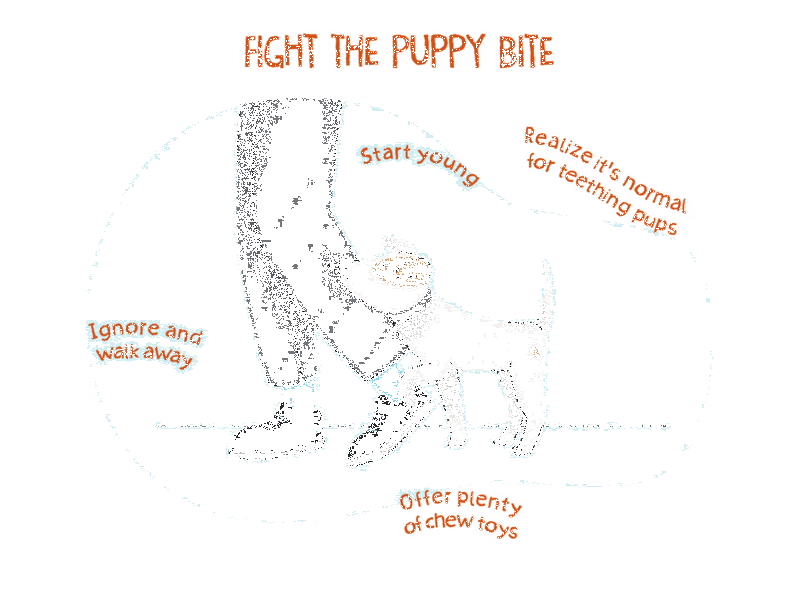
In conclusion, successfully managing puppy biting and nipping requires a multifaceted approach. This guide has provided a comprehensive overview of understanding puppy behavior, proactive prevention strategies, effective response methods, and crucial training techniques. Remember, consistent training, positive reinforcement, and a deep understanding of your puppy’s needs are key to fostering a positive and harmonious relationship. Seeking professional help when needed is also an important step.