Moving to a new home is exciting, but it can be stressful for both you and your beloved pet. This comprehensive guide provides a step-by-step approach to ensure a smooth transition, addressing every aspect from meticulous planning to post-move care. From choosing the right moving company to preparing your pet for the journey, we cover all the essential elements for a successful relocation.
This guide delves into the critical stages of preparing for a move with a pet, including detailed checklists, insights into pet-specific needs, and practical tips for handling potential challenges. We explore the importance of understanding your pet’s personality and anxiety levels to create a supportive environment during the entire process.
Planning the Move
Moving with a pet requires careful consideration and planning to ensure a smooth and stress-free transition for both you and your furry friend. A well-structured approach minimizes disruption and anxiety, allowing your pet to adjust to their new surroundings more comfortably. This section Artikels the key steps in planning a move with your pet, emphasizing the importance of understanding and accommodating their unique needs.
Initial Decision and Planning
The decision to move should involve careful consideration of your pet’s needs and sensitivities. Open communication with your pet’s veterinarian is crucial to ensure their health and well-being throughout the process. This includes discussing any potential health concerns or medications that might be affected by the move. Thorough research into pet-friendly accommodations in your new location is essential, ensuring compliance with local ordinances and regulations.
Consider your pet’s personality and temperament when choosing a new home; a dog accustomed to a large yard might be less happy in a small apartment.
Involving Your Pet in the Planning
Involving your pet in the planning process is vital for their well-being. A gradual introduction to new environments and routines, starting well in advance of the move, can significantly reduce stress and anxiety. Consider creating a “transitional” space in your current home, replicating elements of your new space (colors, sounds, smells) to help familiarize your pet with the upcoming change.
This will ease the adjustment period and potentially reduce any negative reactions to the move. Provide comfort items from your pet’s current space, such as their favorite blanket or bed, to maintain familiarity during the transition.
Comprehensive Checklist
A detailed checklist, divided into pre-move, during-move, and post-move tasks, is crucial for a smooth transition. This ensures no essential steps are overlooked.
- Pre-Move Tasks: This phase includes securing pet-specific documents (veterinary records, microchip information, and vaccination certificates), arranging pet-sitting or boarding services if needed, and contacting local vets in the new area.
- During-Move Tasks: Ensuring the pet’s safety and comfort during transportation is paramount. This includes using pet carriers or crates, providing familiar items for comfort, and keeping them away from moving boxes and people that might be stressful for them. Pack essential pet supplies, including food, water, medications, and familiar toys, into a separate box labeled clearly for easy access during the move.
- Post-Move Tasks: Familiarize your pet with their new environment gradually, providing a safe and secure space. Establish a consistent feeding and playtime schedule. Continue familiarizing your pet with the new surroundings and introduce them to new members of the household or pets slowly. Register your pet with the local animal control or shelter, if necessary.
Pet Type and Needs During the Move
Understanding the specific needs of different pet types is critical for tailoring the move to their individual requirements. Different breeds, ages, and personalities may react differently to the transition.
| Pet Type | Anxiety Level | Mobility | Specific Needs |
|---|---|---|---|
| Small Dog (e.g., Chihuahua) | High | High | Smaller carrier, frequent breaks during travel, familiar toys and bedding. |
| Large Dog (e.g., German Shepherd) | Moderate to High | High | Larger carrier, ample space for movement, familiar smells and toys. |
| Cat | High | Moderate | Secure carrier, familiar bedding, vertical spaces for exploration, quiet environment. |
| Bird | High | Low | Secure cage, minimal handling, familiar environment, calming music. |
| Fish | Low | None | Transport in appropriate containers, ensure water quality and temperature are maintained. |
Choosing the Right Moving Company
Selecting a moving company that understands and accommodates your pet’s needs is crucial for a smooth and stress-free relocation. Proper planning and communication are key to ensuring your furry friend’s well-being during the transition. This section will guide you through the process of choosing a suitable moving company for your pet.Moving with pets requires a company with specialized experience in handling animals.
Moving companies that prioritize pet safety and comfort are better equipped to handle the challenges of relocating your beloved companion. Look for companies with a proven track record of successful pet moves and positive customer reviews.
Pet-Friendly Moving Company Selection Criteria
Choosing a moving company that understands the unique needs of pets is vital. Consider these key criteria when researching potential moving companies. A good company will prioritize the health and safety of your pet during transport.
- Experience with Pets: Inquire about the moving company’s experience handling pets during moves. Look for companies that have a dedicated team familiar with animal handling, and pet-specific safety protocols. Specific questions could include the company’s experience with transporting various animal breeds, sizes, and special needs. Some companies might have experience with exotic animals, which is helpful to understand.
For example, a company with a history of successful moves involving large dogs or cats would be preferable to a company with little or no experience with pets.
- Policies on Pet Handling: Review the company’s policies regarding pet handling during the move. A comprehensive policy will Artikel procedures for securing and transporting pets safely, along with provisions for pet care during loading, transport, and unloading. Look for companies that offer secure pet crates, carriers, and other supplies to ensure your pet’s comfort and safety. Examples of specific policies to inquire about include the company’s procedure for handling pets with anxiety, the types of crates provided, and the number of handlers dedicated to pet care.
- Insurance Coverage: Confirm the moving company’s liability insurance coverage for pets. This ensures that if any unforeseen issues arise during transport, your pet is protected. This will safeguard your financial interests and give you peace of mind.
- Customer Reviews and Testimonials: Read reviews and testimonials from previous clients who have moved with pets using the moving company. Positive feedback from other pet owners can provide valuable insight into the company’s reliability and professionalism.
Pet Transportation Options
Different options are available for transporting your pet during the move, each with its own set of advantages and disadvantages. Carefully consider your pet’s needs and temperament when selecting the most suitable option.
- Pet Crates/Carriers: Using pet crates or carriers is generally recommended for the safety and security of your pet during the move. This method provides a secure and contained environment for your pet, minimizing stress and ensuring their safety during loading, transport, and unloading. It’s crucial to ensure the crate or carrier is appropriate for your pet’s size and temperament.
This method is a very common and often recommended practice.
- Moving Truck with Enclosed Area: Some moving companies offer trucks with an enclosed area specifically for pets. This option provides a more controlled environment, which is helpful for anxious or sensitive animals. This option is more likely to be available for companies specializing in pet transport.
- Separate Vehicle Transport: In some cases, a separate vehicle may be used for transporting pets. This can be useful if the moving company’s vehicle is already full, or if the pet has specific needs that require specialized handling. This option can be more expensive, but may offer a greater degree of security and care for your pet.
Clear Communication with the Moving Company
Clear communication with the moving company is vital to ensure a smooth and safe move for your pet. This includes providing details about your pet’s temperament, special needs, and any medications they require.
- Pre-Move Discussion: Discuss your pet’s needs with the moving company representatives during the initial consultation. Providing detailed information about your pet’s temperament, any anxieties, and any specific medical conditions is important for the safety of your pet.
- Confirming Details: Confirm the moving company’s policies on pet handling and the chosen method of transportation for your pet. This ensures both parties are on the same page and understand the responsibilities for the safety of your pet.
Comparing Moving Company Policies
Different moving companies have varying policies regarding pet handling. It’s important to understand these policies to choose a company that best suits your pet’s needs.
| Moving Company | Pet Policy | Transportation Method |
|---|---|---|
| Company A | Handles all breeds and sizes, special handling for anxious pets, provides pet crates. | Moving truck with enclosed area. |
| Company B | Handles dogs and cats, standard crates provided, no special handling for anxious pets. | Separate vehicle transport for pets. |
Preparing Your Pet for the Move
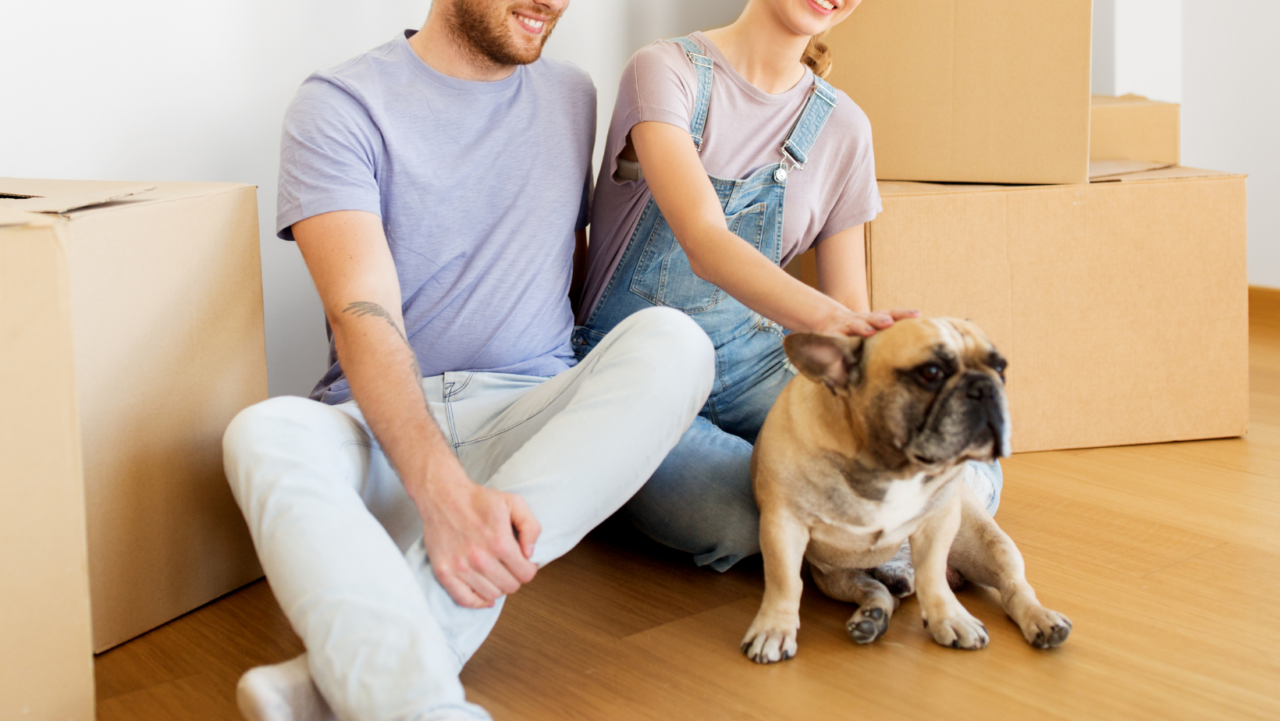
Moving to a new home can be stressful for both you and your beloved pet. Careful preparation can significantly reduce anxiety and ensure a smoother transition for your furry friend. By understanding your pet’s needs and implementing proactive strategies, you can make the move a positive experience.Moving-related stressors can manifest in various ways, from subtle changes in behavior to more pronounced anxieties.
Desensitization techniques, a calming environment, and proper travel preparation are crucial in mitigating these stressors. Understanding how to address these concerns will ensure your pet’s well-being during this significant life change.
Desensitizing Your Pet to Moving-Related Stimuli
Preparing your pet for the move involves gradually exposing them to the stimuli associated with the change. This process, known as desensitization, helps your pet adapt to new environments and experiences. For example, introduce boxes gradually, starting with empty ones placed in familiar areas. Increase the time your pet spends near the boxes, then introduce moving boxes into their routine, allowing them to investigate and become accustomed to the presence of these items.
Creating a Calming Environment
Creating a comforting environment during the move is crucial for your pet’s well-being. Familiar scents and items can significantly reduce anxiety. Bring a blanket or a favorite toy from your current home to the new one. The familiar scent and texture will provide a sense of security and comfort. Also, maintain a consistent routine for feeding, playtime, and rest.
This routine offers predictability and helps your pet feel more secure.
Preparing Your Pet for Travel
Familiarizing your pet with their carrier is essential for a smooth travel experience. Before the move, allow your pet to explore and become comfortable inside the carrier. Place treats or familiar toys inside to associate the carrier with positive experiences. During the move, use the carrier for short trips to acclimate your pet to travel.
Managing Anxiety and Stress
Pet anxiety can manifest in various ways, including excessive barking, panting, hiding, or destructive behaviors. To help your pet cope with stress, consider using calming aids such as pheromone diffusers or calming music. Consult your veterinarian about anxiety medication if your pet exhibits significant stress. Positive reinforcement training can also help address anxious behaviors. For example, rewarding calm behavior with treats and praise can reinforce desired responses.
Ensure your pet is getting adequate exercise before the move, which can also help reduce stress.
Moving Day Procedures
Moving day for you and your pet can be a stressful experience. Careful planning and adherence to a detailed procedure will significantly reduce anxiety and ensure a smooth transition. This section Artikels the crucial steps for moving your pet safely and efficiently.Moving your pet requires a meticulous approach, ensuring their well-being and safety throughout the entire process. The steps described below will guide you through each stage, from loading and unloading to maintaining their comfort and care.
Pet Loading and Unloading Procedures
Proper loading and unloading techniques are vital to minimize stress and potential injuries for both your pet and yourself. A calm and controlled approach is essential. Use a pet carrier or crate, securing it appropriately within the vehicle to prevent any movement or jostling. Ensure the carrier is properly fastened and positioned in the vehicle, preventing any potential accidents.
When loading your pet, use gentle encouragement and positive reinforcement, avoiding sudden movements. Similarly, when unloading, maintain a calm demeanor and avoid sudden stops or turns.
Pet Care Protocols During the Move
Maintaining your pet’s well-being during the move is crucial. This involves providing consistent care for their basic needs. Maintain a regular feeding schedule, offering familiar foods to avoid digestive upset. Ensure continuous access to fresh water, changing it frequently to prevent dehydration. Provide frequent opportunities for your pet to relieve themselves, particularly before loading and unloading.
This will help alleviate stress and maintain their comfort level.
Potential Problems and Solutions
| Potential Problem | Possible Solution |
|---|---|
| Pet exhibiting signs of anxiety or fear (whining, panting, trembling) | Provide a familiar blanket or toy, maintain a calm demeanor, and offer reassurance. If the anxiety persists, consider consulting a veterinarian or pet behaviorist. |
| Pet refusing to enter carrier | Use positive reinforcement, such as treats or praise, to encourage entry. Consider making the carrier a positive association by placing familiar bedding or toys inside. |
| Pet experiencing accidents in the vehicle | Prepare absorbent materials, such as paper towels or old blankets, to quickly clean up any messes. Ensure frequent bathroom breaks during the trip. |
| Pet becoming overly excited or agitated | Maintain a calm and controlled environment. Distract the pet with a favorite toy or treat, and ensure plenty of space for movement within the vehicle. |
| Pet experiencing vomiting or diarrhea | Consult a veterinarian immediately if the issue persists or is accompanied by other symptoms. Provide fresh water and a quiet environment. |
Settling into the New Home
Successfully relocating to a new home is a significant event, and ensuring a smooth transition for your beloved pet is paramount. This involves a careful, phased approach to introducing them to the new environment. A gradual introduction, combined with proactive safety measures and a well-established routine, will help your pet feel secure and comfortable in their new surroundings.Successfully settling your pet into their new home is a crucial step in the moving process.
This involves creating a safe and familiar space for them while gradually acclimating them to the new environment. This approach promotes a positive experience and minimizes stress and anxiety for your furry friend.
Introducing Your Pet to the New Home
Gradual introductions are key to minimizing stress and maximizing comfort for your pet. Begin by allowing your pet to explore the new space through a secure area, like a room or a designated part of the house. Restrict their initial exploration to a controlled space. Limit their access to other areas of the house until they are comfortable.
This controlled exploration will help them become acquainted with the new smells and sounds.
Safety Measures in the New Home
Ensuring your pet’s safety in the new home is crucial. Take steps to eliminate potential hazards and establish secure areas to prevent accidents.
- Secure Containment: Utilize pet gates or baby gates to restrict access to certain areas, especially those with potential hazards such as stairs, toxic plants, or areas with exposed wires. This prevents your pet from encountering potential dangers while they adjust to the new environment.
- Inspect the Home: Thoroughly examine the new home for potential hazards like poisonous plants, cleaning products, medications, and small objects that your pet might ingest or swallow. Store these items safely out of reach.
- Secure Fencing: If your pet is an outdoor pet, ensure the yard is securely fenced to prevent escapes or accidents. Make sure the fence is tall enough to prevent them from jumping over or squeezing through.
- Pet-Proofing: Take steps to pet-proof the entire house, including covering electrical cords, securing fragile objects, and storing cleaning supplies and medications in locked cabinets. This will significantly enhance your pet’s safety and prevent any potential accidents.
Establishing a Routine in the New Home
A consistent routine will help your pet adjust to their new surroundings more easily. Maintaining a similar schedule as before the move, including feeding times, playtime, and bedtime, will provide a sense of normalcy and security.
- Feeding Schedule: Maintain a consistent feeding schedule as much as possible. Using the same food and feeding bowls can ease the transition and prevent digestive upset.
- Playtime and Exercise: Continue regular playtime and exercise routines, but adjust them to the new environment. This will help your pet burn off excess energy and stay active, reducing stress and anxiety.
- Bedtime Routine: Maintain a similar bedtime routine to the one they had in their old home. This will help them associate the new home with a sense of security and comfort.
Providing a Familiar Space in the New Home
Creating a familiar space will help your pet feel more secure in their new home. Using familiar bedding, toys, and even scent from their old home can create a comforting and reassuring environment.
- Familiar Bedding: Bring a familiar blanket or bed from their old home. The familiar scent will provide comfort and security.
- Familiar Toys: Take a few of their favorite toys to help them feel more at ease and stimulate their natural playfulness.
- Familiar Scents: If possible, lightly sprinkle some of their old bedding or towels with their scent to subtly reassure them in the new home.
Essential Pet Supplies for the Move
Moving with a pet requires careful planning and preparation, particularly regarding their comfort and safety. Ensuring your furry friend has the necessary supplies throughout the move is crucial for a smooth transition to the new home. This section details essential pet supplies, categorized for clarity and ease of packing.
Packing List Examples
Careful preparation of a packing list tailored to your pet’s needs is vital. A well-organized list will reduce stress and ensure that all essential items are readily available during the move. Below is an example of a packing list categorized by pet type, offering a template for your specific needs.
- Cat Packing List: This list should include the cat’s food, water bowls, litter box, litter, favorite toys, and a comfortable bed. Consider a carrier that fits comfortably and provides security during the move. Any medications or supplements should be included.
- Dog Packing List: Include the dog’s food, water bowls, leash, collar, identification tags, favorite toys, and a comfortable bed. A carrier that is large enough for the dog to stand up, turn around, and lie down is essential. Any medications or supplements should also be included.
Pet Carriers Comparison
Selecting the right pet carrier is crucial for your pet’s safety and comfort during transport. Different carriers cater to various needs and preferences.
| Carrier Type | Features | Suitability |
|---|---|---|
| Hard-sided Carrier | Durable, secure, and often provides more space. | Ideal for dogs and cats of all sizes. |
| Soft-sided Carrier | Lightweight and often more affordable. May be less secure. | Suitable for smaller pets, especially cats. |
| Airline-approved Carrier | Meets strict safety regulations for air travel. Usually hard-sided. | Necessary if traveling by air. |
Emergency Supplies
Having an emergency kit for your pet is vital in case of unexpected delays or issues during the move. The kit should contain items that provide comfort and care for your pet.
- Food and Water: A 3-5 day supply of your pet’s regular food and water, in easily portable containers.
- Medications: All prescribed medications, including any supplements or vitamins, in their original containers.
- First-aid Kit: A basic pet first-aid kit containing antiseptic wipes, bandages, and any pet-specific medications.
- Veterinary Records: Copies of your pet’s vaccination records and medical history. Crucial for veterinary care in case of emergencies.
- Familiar Items: A blanket, toy, or other familiar items to help your pet feel more secure during the move. This is especially important for cats.
Potential Challenges and Solutions
Moving with a pet can present a range of challenges, from logistical hurdles to potential health and behavioral concerns. Careful planning and proactive measures can significantly mitigate these difficulties, ensuring a smooth transition for both you and your furry friend. Understanding the potential issues and implementing appropriate solutions is crucial for a successful move.
Common Challenges Associated with Moving with Pets
Moving involves significant changes in routine, environment, and social interaction for pets. This disruption can lead to anxiety, stress, and behavioral problems. Familiarizing your pet with the idea of moving in advance, and gradually introducing new routines and environments, can help alleviate these concerns.
- Adjusting to a new environment:
- Separation anxiety:
- Travel stress:
- Loss of familiar routines and people:
Pets may experience anxiety or fear when exposed to unfamiliar surroundings. Providing a safe and comfortable space in the new home can help ease this transition. Introducing the pet to the new house gradually, allowing them to explore safely and become acquainted with the space, is key. For example, use a crate or a designated room to confine them until they are more comfortable with their new surroundings.
Separation anxiety is a common issue, especially in pets accustomed to a consistent routine. Creating a calming atmosphere for your pet, employing strategies to reduce anxiety, such as providing familiar scents or objects from their previous home, can be beneficial.
The travel itself can cause stress and discomfort for pets. Ensuring proper transportation in a carrier or crate, with breaks for rest and comfort, is crucial. Avoid stressful journeys whenever possible and provide adequate rest during travel. For example, consider the use of calming pheromone diffusers during travel.
Pets form strong bonds with their owners and routines. Explaining the move to your pet and gradually introducing new routines in the new environment can help reduce their stress.
Potential Health Issues and Solutions
Stress and anxiety during the move can negatively impact your pet’s health. Recognizing and addressing these issues is essential for their well-being.
- Gastrointestinal issues:
- Increased anxiety and stress:
- Cardiovascular issues:
- Respiratory issues:
Changes in diet, environment, and routine can lead to digestive upset. Maintaining a consistent diet during the move and providing a familiar food source can help prevent this. Providing easily digestible food during the transition period can be beneficial.
Stress and anxiety can manifest as vomiting, diarrhea, or loss of appetite. Use calming pheromone diffusers or calming supplements. Providing a safe and quiet space for your pet to retreat to can also help.
The stress of moving can exacerbate existing cardiovascular conditions. Ensure your pet is in good health before the move. Consult a veterinarian for advice if there are pre-existing health conditions.
Stress can worsen respiratory issues in pets. Providing a clean and well-ventilated environment in the new home can be helpful.
Common Behavioral Issues and Management Strategies
Moving can lead to various behavioral changes in pets. Understanding these changes and implementing appropriate management strategies is essential.
- Increased aggression:
- Destructive behavior:
- Changes in urination and defecation habits:
Increased aggression can be a reaction to the stress of moving. Understanding the triggers and addressing them with appropriate behavior modification techniques, including positive reinforcement, can help.
Boredom or anxiety can lead to destructive behavior. Providing adequate mental and physical stimulation, including interactive toys, can help prevent this.
Changes in bathroom habits can be a sign of stress. Providing a familiar space and a designated bathroom area in the new home can be beneficial.
Seeking Professional Help
When dealing with difficult situations, seeking professional help is often necessary. Veterinarians and animal behaviorists are equipped to provide tailored advice and support. Consulting with a professional can help identify the root causes of behavioral issues and develop appropriate solutions.
Post-Move Pet Care
A successful move is not just about packing boxes and changing addresses; it’s also about ensuring a smooth transition for your beloved pets. Post-move pet care is crucial for their well-being and happiness in their new surroundings. This phase focuses on easing their anxieties and fostering a sense of security in their new home.Understanding your pet’s unique needs and behaviors is key to their successful adjustment.
Different breeds and personalities react to change in various ways. Some pets might show signs of stress immediately, while others may take a few days or weeks to fully acclimate. Patience and understanding are paramount during this period.
Easing the Transition
Establishing a familiar routine as quickly as possible is essential for your pet’s comfort. This helps them feel secure and predictable in their new environment. Stick to their usual feeding times, playtime schedules, and bedtime routines. Maintain the consistency they’re used to.
Ensuring Health and Well-being
Monitoring your pet’s health closely after the move is vital. Look for any changes in their eating habits, activity levels, or sleeping patterns. Increased anxiety can lead to digestive issues, decreased appetite, or changes in elimination habits. If you notice any unusual behavior, consult your veterinarian promptly. Maintaining regular veterinary check-ups is crucial to identify and address any potential health problems early on.
Maintaining a Routine and Familiar Environment
Creating a familiar space in the new home is vital. Consider bringing familiar bedding, toys, and even a few scent items from their previous home. These items provide a sense of comfort and security. Familiar smells can ease the transition and reduce anxiety. Keep the space they use for rest and play organized and predictable.
Activities to Help Adjustment
Implementing a structured approach for your pet to adjust can help significantly. Consistent, positive interaction can build trust and confidence in their new environment. The following table Artikels some activities that can aid in the adjustment process.
| Activity | Description | Frequency |
|---|---|---|
| Familiarization Walks | Taking your pet on familiar walks in the neighborhood, focusing on familiar scents and landmarks. | Daily, or as frequently as possible, keeping walks short and manageable initially. |
| Positive Reinforcement Training | Engage in positive reinforcement training sessions to reinforce good behavior. Focus on rewarding desired actions and ignoring unwanted ones. | At least once a day, adjusting the duration based on your pet’s tolerance. |
| Safe Space Creation | Designate a safe space with familiar items and comforting textures. This will provide a retreat when your pet feels overwhelmed. | Ensure the safe space is readily available and used regularly. |
| Introduce New Toys and Activities | Introduce new toys and activities gradually to the safe space, introducing them one at a time to avoid overwhelming your pet. | Introduce one new item at a time, allowing your pet to explore and adjust. |
Closing Notes
Moving with a pet requires careful planning and meticulous execution. By following the steps Artikeld in this guide, you can create a positive experience for both yourself and your furry friend. Remember to prioritize your pet’s comfort and safety throughout the entire process. From preparation to settling into the new home, we have provided a comprehensive resource to ensure a smooth and enjoyable transition.