Ensuring consistent training with your pet is key to building a strong bond and fostering positive behaviors. This guide delves into the multifaceted aspects of maintaining training consistency, from understanding your pet’s unique needs to creating a supportive environment. We will explore tailored training schedules, addressing challenges, and reinforcing good habits, all while emphasizing long-term consistency.
From initial assessment of your pet’s needs to adapting training methods based on their temperament and specific circumstances, this guide provides practical strategies and insightful examples. It’s a complete resource for pet owners seeking to cultivate a positive and effective training experience.
Understanding Your Pet’s Needs
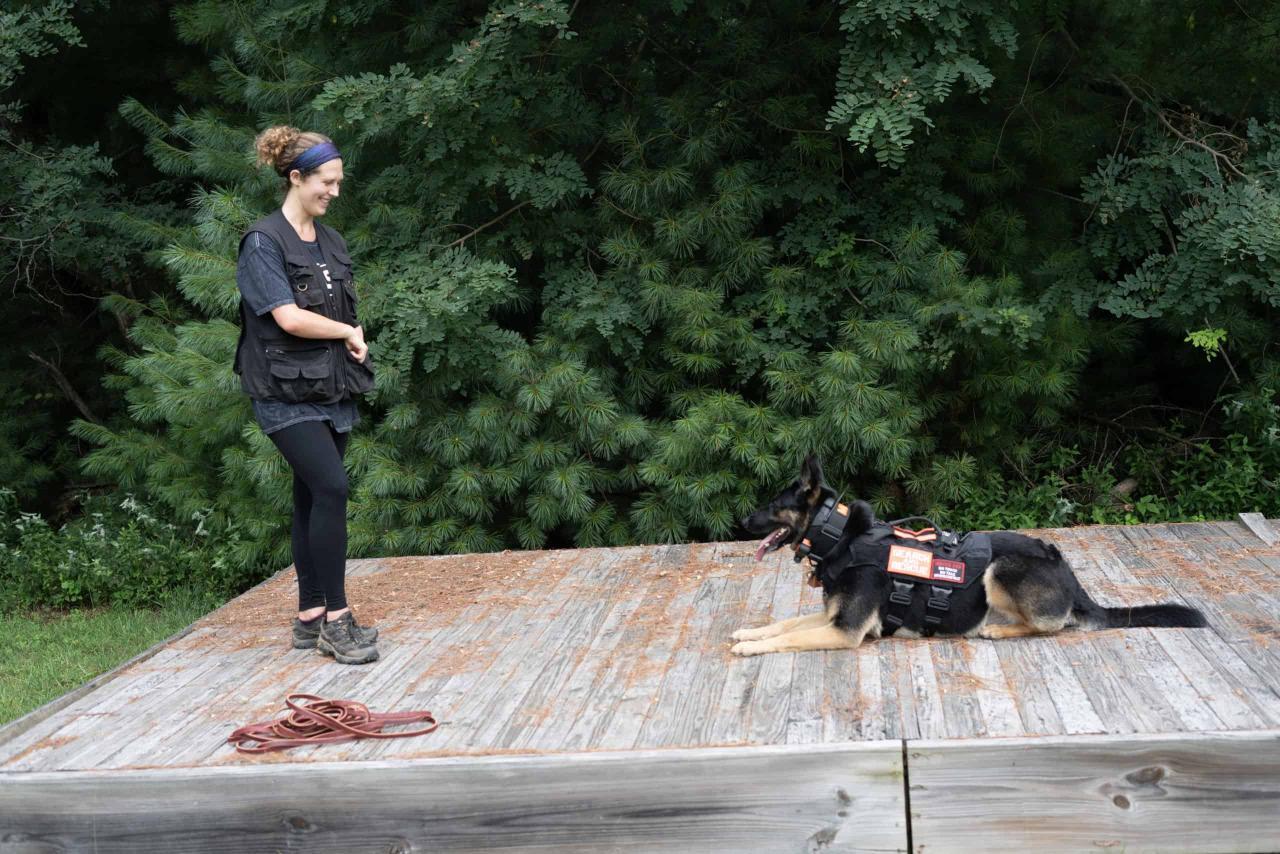
A crucial aspect of maintaining consistent pet training is a deep understanding of your pet’s individual needs. This involves recognizing their unique characteristics and tailoring the training approach to maximize effectiveness and minimize frustration for both you and your furry friend. Successfully training a pet is not just about commands; it’s about building a strong bond based on mutual respect and understanding.Understanding your pet’s specific requirements allows you to craft a training schedule that aligns with their capabilities and temperament.
This personalized approach significantly increases the likelihood of achieving your training goals while ensuring a positive experience for your pet.
Factors to Consider in Determining Training Needs
Understanding your pet’s needs involves evaluating various factors. A thorough assessment allows for the creation of a tailored training plan. These factors encompass physical attributes, emotional dispositions, and environmental influences.
- Breed: Different breeds have varying temperaments and inherent behaviors. For example, herding breeds might be more prone to nipping or exhibiting energetic behaviors that require specific training techniques. Similarly, breeds with shorter lifespans may necessitate a more gradual training approach. Understanding the breed’s typical energy levels and tendencies allows you to design appropriate activities and schedules.
- Age: A puppy’s learning capacity differs significantly from that of an adult dog or senior pet. Young dogs are still developing their cognitive skills and require shorter training sessions with frequent breaks. Adult dogs may require more structured and focused training sessions, while senior dogs might benefit from modified routines and gentler approaches.
- Personality: Each pet has a unique personality. Some pets are highly motivated by food, while others are more responsive to praise or toys. Understanding your pet’s personality allows you to tailor rewards and incentives for maximum effectiveness.
- Health: Underlying health conditions can significantly impact a pet’s ability to learn and maintain focus during training sessions. If your pet is experiencing pain or discomfort, it’s crucial to adjust the training plan accordingly, possibly seeking veterinary guidance for further support.
- Environment: External factors like noise levels, distractions, and other animals in the household can influence training outcomes. Creating a calm and predictable environment during training is vital to ensure consistency.
Identifying Potential Challenges
Predicting and addressing potential obstacles during training is crucial for maintaining consistency. Recognizing and mitigating these challenges can significantly enhance the training process.
- Lack of Motivation: A lack of motivation can hinder training consistency. Identifying the root cause of the lack of interest (boredom, lack of appropriate rewards, or even underlying health issues) is crucial for implementing effective strategies.
- Distractions: Environmental distractions can disrupt concentration and derail training progress. Creating a dedicated training space with minimal distractions can significantly improve focus and consistency.
- Inconsistency in Training: Inconsistent commands or methods from different household members can confuse the pet and diminish training effectiveness. Establishing clear and consistent training routines among all involved individuals is essential.
- Negative Experiences: Negative past experiences can lead to fear or anxiety, making training more challenging. Addressing these issues with positive reinforcement and patience is essential for fostering trust and encouraging progress.
The Role of Positive Reinforcement
Positive reinforcement plays a pivotal role in motivating pets during training. This method focuses on rewarding desired behaviors, which strengthens the association between the behavior and the reward.
- Rewarding Desired Behaviors: Positive reinforcement involves rewarding desired behaviors immediately following their occurrence. This reinforces the association between the behavior and the positive outcome. Examples of positive reinforcement include treats, praise, or toys.
- Avoiding Punishment: Punishment, while sometimes appearing to provide immediate results, can have negative long-term effects. It can lead to fear, anxiety, and a breakdown in the training relationship. A focus on positive reinforcement strategies creates a more positive and productive learning environment for your pet.
- Building Trust and Confidence: By using positive reinforcement, you build a trusting relationship with your pet. This fosters confidence and encourages your pet to participate actively in the training process.
Comparing Training Methods
Different training methods have varying effects on training consistency. This table compares and contrasts some common approaches.
| Training Method | Description | Impact on Consistency |
|---|---|---|
| Positive Reinforcement | Focuses on rewarding desired behaviors. | Generally promotes consistency due to positive associations. |
| Classical Conditioning | Associates a neutral stimulus with a naturally occurring stimulus. | Can be consistent if the association is properly established but may not always be suitable for all behaviors. |
| Operant Conditioning | Uses reinforcement and punishment to modify behaviors. | Can be inconsistent if punishment is used, potentially leading to fear or anxiety. |
Establishing a Consistent Training Schedule
A consistent training schedule is crucial for your pet’s development and your relationship with them. It provides structure, predictability, and helps build a strong foundation for learning and positive reinforcement. A well-structured routine allows your pet to anticipate training sessions, reducing stress and maximizing learning opportunities.Establishing a consistent schedule helps build a predictable environment, allowing your pet to learn and adapt more effectively.
This predictability reduces anxiety and fosters a stronger bond between you and your pet. It also provides a framework for integrating training into your daily life, making it an enjoyable and manageable part of your routine.
Sample Weekly Training Schedule for a Dog
A well-structured weekly schedule can significantly enhance training consistency and effectiveness. It’s important to tailor the schedule to your dog’s individual needs, energy levels, and breed characteristics. The following example is a sample schedule; adjust it to fit your dog’s specific requirements.
- Monday: Focus on basic obedience commands (sit, stay, come) – 15 minutes. Engage in a short play session (5 minutes) after training to reinforce positive associations. This session is best done before the dog is overly tired or energized.
- Tuesday: Introduction to new commands (e.g., down, leave it) – 20 minutes. Incorporate short walks to burn energy and refresh the dog.
- Wednesday: Recall practice and advanced obedience drills (e.g., heel work) – 25 minutes. Include a 10-minute interactive game after the session.
- Thursday: Training with distractions (e.g., other dogs, people, sounds) – 20 minutes. A reward-based approach to encourage focus.
- Friday: Review of previously learned commands – 15 minutes. Combine training with a short agility course.
- Saturday: Longer training session focused on a specific skill or trick – 30 minutes. Combine with a long walk to burn off energy.
- Sunday: Rest day. Enjoy a relaxed walk or playtime.
Making Training Engaging and Enjoyable
Positive reinforcement is key to keeping training enjoyable for both you and your pet. This approach focuses on rewarding desired behaviors rather than punishing unwanted ones. This method fosters a positive association with training, making it more appealing to your pet.
- Variety in activities: Incorporate a variety of activities, such as agility courses, scent work, or fetching, to keep training sessions exciting and challenging. This avoids monotony and maintains your dog’s interest.
- Short, frequent sessions: Keep training sessions short (10-20 minutes) to avoid your pet getting bored or overwhelmed. Frequent, shorter sessions maintain focus and enthusiasm.
- Positive reinforcement: Reward desired behaviors with praise, treats, or toys. Positive reinforcement strengthens the connection between the behavior and the reward, encouraging repetition.
Incorporating Breaks and Rewards
Breaks are essential during training sessions to prevent your pet from becoming fatigued or losing focus. Strategically placed breaks help maintain engagement and prevent burnout. These breaks should be short and reward-based.
- Short breaks: Schedule short breaks (1-2 minutes) every 10-15 minutes of training to allow your pet to rest and refocus.
- Rewarding breaks: Use breaks as an opportunity to reward your pet with treats or praise for their cooperation during the session.
- Appropriate rewards: Choose rewards that your pet finds motivating, such as high-value treats, toys, or praise. Vary the rewards to maintain interest.
Tracking Progress and Adjusting the Training Plan
Tracking progress is vital for making necessary adjustments to your training plan. Regular evaluation allows you to assess your dog’s learning curve and make informed decisions about the training program.
- Record training sessions: Keep a log of training sessions, noting the exercises performed, the duration, and the dog’s response. This data provides valuable insights.
- Observe behavior: Pay close attention to your dog’s body language and behavior during training. This will help you understand their progress and identify any challenges.
- Adjust the schedule: Modify the training plan based on your observations. If your dog is struggling with a particular exercise, adjust the complexity or frequency. If they’re excelling, increase the challenge.
Training Session Durations and Frequency
The optimal duration and frequency of training sessions depend on your pet’s age and breed.
| Age/Breed | Session Duration (minutes) | Frequency (days/week) |
|---|---|---|
| Puppies (under 6 months) | 5-10 | 3-4 |
| Adult Dogs (6 months-7 years) | 15-20 | 3-5 |
| Senior Dogs (over 7 years) | 10-15 | 2-3 |
Creating a Supportive Training Environment
A supportive training environment is crucial for fostering a positive learning experience for your pet. It allows for optimal focus and reduces stress, leading to faster and more effective training. Creating this environment requires careful consideration of your pet’s needs and the surrounding conditions.The environment significantly impacts a pet’s learning and motivation. A stimulating, yet calm environment, reduces anxiety and allows the pet to concentrate on the training task at hand.
Conversely, a chaotic or stressful environment can lead to distractions, making learning difficult and potentially discouraging the pet.
Minimizing Distractions During Training
Distractions are a significant impediment to effective training. Unnecessary noises, sights, or smells can divert your pet’s attention, hindering their ability to focus on the training commands. Understanding and proactively mitigating these distractions are key to a productive training session. Consistent removal or management of these distractions allows your pet to build stronger associations between commands and desired behaviors.
- Identifying potential distractions in your home environment is vital. These can include loud noises from appliances, other pets, or even interesting scents from outside.
- Strategic placement of your training area is important. Choose a quiet, secluded area where the chances of interruptions are minimal.
- If outside distractions are unavoidable, utilize a training method that allows you to effectively block or minimize these disruptions.
Ensuring a Calm and Focused Training Atmosphere
Maintaining a calm atmosphere is essential for your pet’s well-being and training success. A stressed or anxious pet will be less receptive to training cues. Creating a relaxed atmosphere involves minimizing environmental stressors and reinforcing positive associations with training sessions. Consistent, low-stress training sessions create a positive association, encouraging the pet to actively participate.
- Maintain a relaxed posture and tone of voice during training sessions. Avoid abrupt movements or loud noises.
- Keep the training sessions short and positive. Focus on rewarding desired behaviors rather than punishing unwanted ones.
- Ensure that your pet has adequate rest and playtime outside of training sessions. This helps to reduce stress and maintain their overall well-being.
Adapting Your Home Environment
Modifying your home environment to create a supportive training space can significantly enhance your pet’s learning experience. A well-structured environment reduces stress and encourages focus, allowing for more efficient training.
- Choose a dedicated training area in your home, ideally a quiet room away from high-traffic areas.
- Remove or cover items that may act as distractions, such as toys or items with strong smells.
- Use sound-dampening materials or strategies to reduce background noise if necessary.
Levels of Distractions and Their Impact on Training Focus
The following table illustrates how varying levels of distractions can affect your pet’s ability to concentrate during training. A clear understanding of these levels allows for targeted strategies to create a more conducive training environment.
| Level of Distractions | Impact on Training Focus | Strategies |
|---|---|---|
| Low (e.g., gentle background noise, occasional movement) | Minimal impact; pet can generally maintain focus | Maintain consistent training routine, reward focus |
| Moderate (e.g., moderate noise, a few moving objects) | Slightly decreased focus; pet may require extra encouragement | Reduce distractions as much as possible, use positive reinforcement |
| High (e.g., loud noises, many moving objects, strong scents) | Significant impact on focus; training may be ineffective | Adjust training location or time, consider using training aids like a treat pouch or a clicker |
Addressing Challenges and Maintaining Consistency
Maintaining consistent training routines with pets requires understanding and adapting to potential obstacles. This involves recognizing common pitfalls, developing strategies to manage behavioral issues, and adjusting your approach to ensure your pet remains engaged and motivated. Consistency is key, but it’s equally important to be flexible and responsive to your pet’s individual needs.Addressing challenges head-on is crucial for maintaining a positive and productive training experience.
Understanding the reasons behind resistance or setbacks allows for more effective solutions and strengthens the bond between you and your pet. A proactive approach fosters a more positive and fulfilling training journey.
Common Training Challenges and Solutions
Consistent training relies on anticipating and addressing potential difficulties. Identifying common challenges and developing solutions empowers you to overcome obstacles and maintain a positive training environment.
- Loss of Interest: Pets, like humans, can lose motivation if training becomes repetitive or tedious. Varying training exercises, introducing new commands, and incorporating rewards or treats can reignite enthusiasm. Short, frequent training sessions are often more effective than long, infrequent ones.
- Distractions: External factors like noises, other animals, or people can disrupt a pet’s focus. Training in a quiet, controlled environment initially, gradually increasing distractions as your pet masters commands, is a practical solution.
- Physical Limitations: Age, injury, or underlying health conditions can affect a pet’s ability to participate in training. Adjust training intensity, duration, and types of exercises accordingly. Consult with a veterinarian to ensure the training program aligns with your pet’s physical capabilities.
- Lack of Understanding: Misinterpreting commands or cues can lead to confusion and frustration. Ensure clear, concise communication, using positive reinforcement techniques and avoiding harsh corrections.
Dealing with Behavioral Issues
Addressing behavioral issues proactively is essential for maintaining consistent training. Recognizing the source of the behavior and implementing appropriate strategies is crucial.
- Fear and Anxiety: Fearful or anxious pets may exhibit avoidance, aggression, or destructive behaviors. Identifying the trigger is paramount. Gradual desensitization and counter-conditioning techniques, paired with positive reinforcement, can help address these issues.
- Aggression: Aggression can stem from fear, territoriality, or resource guarding. Understanding the root cause is critical for implementing effective solutions. Professional guidance from a certified dog trainer or veterinarian is often beneficial in managing aggressive behaviors.
- Excessive Barking: Excessive barking can be a learned behavior or a symptom of an underlying issue. Understanding the triggers and employing counter-conditioning techniques, such as providing alternative outlets for energy and attention, can help mitigate this problem.
Adjusting Your Training Approach
Flexibility in your training approach is key to maintaining consistency. Adapting your methods based on your pet’s response is essential.
- Resistance: If your pet resists a command, avoid punishment. Instead, reassess the training method, ensure the command is clear, and modify the environment to reduce distractions. Break down the command into smaller, more manageable steps.
- Discouragement: A lack of progress can demotivate both you and your pet. Shorten training sessions, reward small successes, and adjust the difficulty level of commands to maintain enthusiasm.
Patience and Perseverance
Consistency in training requires a commitment to patience and perseverance. Every pet learns at their own pace.
“Patience and persistence are essential in consistent training.”
Focus on the progress, not the setbacks. Celebrate small victories and remember that setbacks are part of the learning process. Maintaining a positive and encouraging attitude is vital to fostering a positive learning environment.
Reinforcing Good Habits
Reinforcing positive behaviors is crucial for establishing lasting training habits in your pet. Consistent and well-timed rewards strengthen the connection between desired actions and positive outcomes, making training more enjoyable and effective for both of you. This section delves into various methods of rewarding your pet, avoiding pitfalls, and maintaining consistency in your reward system.Understanding your pet’s motivations is key to successful reinforcement.
Some pets are highly motivated by food, while others might be more responsive to praise, toys, or attention. A well-rounded approach considers these variations and ensures your pet associates desired behaviors with positive experiences.
Rewarding Desired Behaviors
Positive reinforcement techniques are essential for fostering a positive training experience. These techniques center on rewarding the desired behavior immediately after it occurs, thereby strengthening the association between the behavior and the reward. This immediate reinforcement is critical for effective learning.
- Food Rewards: High-value treats, such as small pieces of meat or cheese, are effective motivators. These treats should be specifically designed for canine or feline consumption. Avoid using human food as rewards, as it may introduce health risks or unwanted dietary habits.
- Praise and Affection: Verbal praise, petting, or gentle head scratches can be incredibly motivating for many pets. Ensure the praise is enthusiastic and consistent to maximize its impact.
- Playtime Rewards: Engaging in a favorite game or activity after a desired behavior can be highly motivating. This approach is particularly effective for pets who are more motivated by play than food.
Maintaining Consistency in Rewards
Maintaining consistency in your reward system is paramount. Inconsistency can confuse your pet and undermine the training process. A predictable reward schedule helps your pet learn the connection between behavior and outcome.
- Timing is Crucial: Reward your pet immediately after they perform the desired behavior. The faster the reward is delivered, the stronger the association.
- Consistency in Praise: Maintain a consistent tone and enthusiasm when praising your pet. This will help them associate your praise with a positive outcome.
- Varying Rewards: Using a variety of rewards helps maintain your pet’s motivation. Introducing different types of rewards over time prevents boredom and keeps training engaging.
Avoiding Over-Rewarding and Rewarding Inappropriate Behaviors
Over-rewarding can diminish the value of rewards, while rewarding inappropriate behaviors reinforces undesirable actions. It’s essential to strike a balance between rewarding good behaviors and avoiding unintended consequences.
- Moderation in Food Rewards: Avoid excessive use of high-value treats, as this can lead to overfeeding or weight gain. Use small, frequent rewards rather than large, infrequent ones.
- Clear Boundaries: Ensure your pet understands the difference between acceptable and unacceptable behaviors. Ignoring or redirecting unwanted behaviors prevents reinforcement.
- Consistency in Discipline: If your pet exhibits an unwanted behavior, consistently apply a predetermined correction method. This reinforces that certain behaviors are not acceptable.
Reward Effectiveness Table
| Reward Type | Effectiveness | Considerations |
|---|---|---|
| Food Treats | High | Appropriate size, type, and frequency; avoid overfeeding. |
| Praise and Affection | Moderate | Enthusiastic and consistent praise is key. |
| Playtime | High (for play-motivated pets) | Select activities that are highly engaging for the pet. |
| Toys | Moderate | Provide toys that are stimulating and engaging. |
Maintaining Consistency Beyond Training Sessions
Consistent training extends far beyond formal training sessions. Integrating training principles into daily life strengthens the bond with your pet and fosters a deeper understanding of their behavior. This approach promotes a more harmonious relationship, where commands and expectations are seamlessly woven into the fabric of your shared routine.
Incorporating Training Principles into Daily Life
Daily routines offer numerous opportunities to reinforce learned commands and introduce new ones. This proactive approach builds a more predictable and responsive pet. By weaving training into everyday activities, you reinforce desired behaviors and prevent unwanted habits from developing.
- Leash Walking: Regular leash walking routines, even short ones, offer opportunities for practicing recall and “heel” commands. This consistent practice reinforces the command, while also ensuring the pet remains responsive and attentive to your cues.
- Feeding Time: Feeding times can be structured to reinforce commands like “sit” or “stay.” For example, you can ask your pet to sit before receiving their food, reinforcing the command and rewarding desired behavior. Consistency in this routine helps build anticipation and a positive association with commands.
- Playtime: Games can incorporate training elements. Hide-and-seek games can reinforce recall. Fetch games can be used to practice “leave it” or “drop it.” Games serve as engaging opportunities to practice commands in a fun environment.
Strategies for Maintaining Consistency Outside Formal Sessions
Consistency in training isn’t limited to structured sessions. It’s about creating a consistent environment where expectations are clear and predictable. By integrating training principles into everyday interactions, you cultivate a well-behaved and responsive pet.
- Establish Predictable Routines: Routine helps your pet anticipate what is coming next, reducing anxiety and enhancing responsiveness. This includes feeding times, playtime, and even bathroom breaks. Predictability reinforces consistency in training.
- Be Mindful of Body Language: Nonverbal cues are as important as verbal commands. Consistent use of hand signals and body language reinforces the association between cues and actions. For example, a certain hand gesture could consistently signal the command to “stay.”
- Reward System: Consistent reinforcement, using treats or praise, is vital for maintaining motivation. This system reinforces desired behaviors, making them more likely to repeat. It is important to maintain a consistent reward system for desired behavior, whether it is a verbal reward, or a physical reward.
Integrating Training Cues into Everyday Routines
Integrating training cues into everyday routines is a proactive way to build consistency. This seamless integration allows for your pet to better understand and respond to your cues.
- Cue for Entering/Exiting: Establish cues for entering and exiting rooms or entering/exiting a vehicle. For example, using a specific word or gesture when entering a car or a room can reinforce desired behaviors and create a structured environment. Consistency in using these cues enhances understanding.
- Cue for Specific Tasks: Introduce cues for specific tasks like “get your leash” or “go to your bed.” These cues establish a clear understanding of expectations, fostering a well-behaved and responsive pet.
The Role of Consistency in Shaping Behavior Outside Training
Consistency in training shapes your pet’s behavior outside formal training sessions. By weaving training principles into daily life, you establish clear expectations and build a well-adjusted pet. A well-trained pet is more likely to exhibit desired behaviors in all aspects of their life.
Examples of Maintaining Consistency Through Games and Activities
Games and activities can provide engaging opportunities to practice training cues. Consistent use of games and activities helps maintain consistency in training, creating a more positive and rewarding experience for both you and your pet.
- Hide-and-Seek: Hide treats or toys and have your pet find them. This game reinforces recall and attention. Consistency in the game helps the pet understand the command and the expected response.
- Tug-of-War: Use tug-of-war games to practice the “drop it” command. Consistent practice reinforces the command in a fun and engaging way. By making this a consistent game, the pet will learn the cue more quickly.
Adapting Training to Your Pet’s Needs
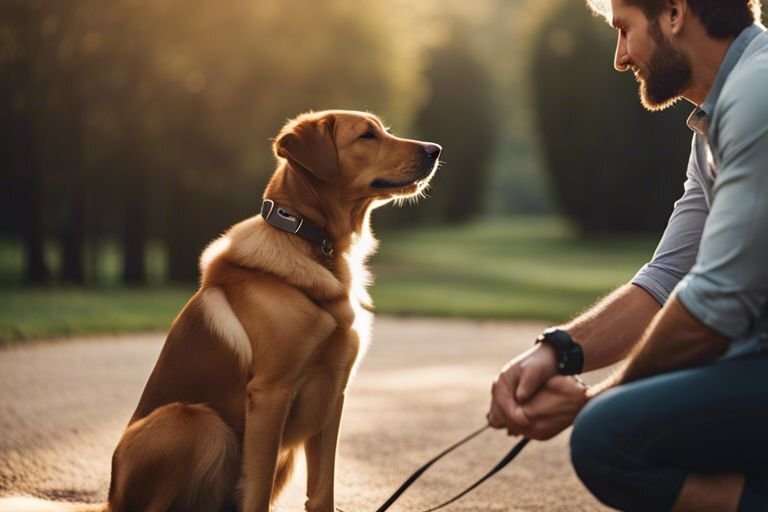
Adapting training methods to suit your pet’s unique needs is crucial for a positive and successful training experience. This involves recognizing and accommodating any physical limitations, disabilities, or temperamental differences your pet might have. A flexible and understanding approach will ensure the training process remains enjoyable and effective for both you and your furry friend.Understanding your pet’s individual needs is paramount to successful training.
Tailoring your approach to address their specific temperament and learning style will significantly improve their responsiveness and motivation. This proactive adaptation ensures that training sessions remain engaging and prevent frustration for both the pet and the owner.
Adjusting Training for Health Issues
Addressing health concerns requires modifications to training routines. Chronic pain, mobility issues, or other health conditions necessitate a slower, more gentle approach. Short, frequent training sessions are often more effective than long, intense ones. Focus on rewarding small successes and avoid pushing your pet beyond their comfort levels. For example, if your dog has arthritis, using a harness instead of a collar can reduce stress on their joints.
Modifying the training location to a more comfortable surface, like a carpeted area, can also make a difference.
Adapting Training for Disabilities
Pets with disabilities, such as visual or hearing impairments, will require specific adjustments to the training methods. Visual impairments necessitate the use of verbal cues and tactile signals. Consistent placement of treats or toys can become vital visual markers. Hearing impairments require relying on visual cues and tactile rewards. Using hand signals and body language can help your pet understand commands effectively.
Consider a professional dog trainer who specializes in working with dogs with disabilities. They can provide tailored advice and techniques.
Tailoring Training to Temperament and Learning Style
Every pet possesses a unique temperament and learning style. Some pets are highly motivated by food rewards, while others respond better to praise or toys. Observing your pet’s natural tendencies will allow you to select the most appropriate reward system. For example, a shy dog may benefit from positive reinforcement and gradual exposure to new situations. A highly energetic dog might respond well to a more active training routine.
Be observant and adapt your approach accordingly.
Recognizing and Addressing Pet Signals During Training
Pay close attention to your pet’s body language and vocalizations during training sessions. A shift in posture, a whine, or a sudden avoidance of a command can indicate discomfort or confusion. Recognize these signals and adjust your training methods accordingly. If your pet displays signs of stress, stop the training session and provide reassurance. Consider taking a break and returning to training at a later time.
Training Adaptations for Specific Needs
| Pet Need | Training Adaptation | Example |
|---|---|---|
| Arthritis | Shorter, more frequent sessions; comfortable surfaces; alternative harnesses | Using a harness instead of a collar for a dog with arthritis; training on a carpeted surface. |
| Visual Impairment | Verbal cues; tactile signals; consistent placement of rewards | Using hand signals and verbal commands; placing treats in a consistent location. |
| Hearing Impairment | Visual cues; tactile rewards; hand signals | Using hand signals to communicate commands; providing tactile rewards to reinforce good behavior. |
| Shyness | Positive reinforcement; gradual exposure to new situations | Using treats and praise to encourage approach; slowly introducing new environments or stimuli. |
| High Energy | Active training routine; incorporating play into sessions | Using longer walks and play sessions as part of training; incorporating toys and activities into the training routine. |
Maintaining Long-Term Consistency
Long-term consistency in pet training requires a strategic approach that goes beyond initial sessions. It necessitates a proactive mindset focused on maintaining both your pet’s and your own motivation throughout the entire process. This involves understanding that training is an ongoing journey, not a destination, and adapting methods to keep things interesting and rewarding for everyone involved.Maintaining long-term consistency in training hinges on building a routine that is sustainable for both you and your pet.
This involves recognizing that training sessions don’t need to be overly structured or rigid. Instead, the focus should be on making training enjoyable and a positive experience for both parties. This creates a stronger bond and fosters a desire to continue learning and improving.
Strategies for Maintaining Motivation
Sustaining motivation in both yourself and your pet requires a proactive and adaptable approach. Maintaining a positive and encouraging environment during training is crucial. Rewards and praise, coupled with clear communication, are vital components of this approach. Consistency in approach and scheduling, while flexible enough to accommodate changes, is equally important.
- Regular Reinforcement of Good Habits: Regularly rewarding desired behaviors reinforces the positive association with training. This approach keeps the pet engaged and eager to participate in future sessions. The reward system should be tailored to the individual pet’s preferences, ensuring the reward is genuinely motivating.
- Varied Training Methods: Introducing new commands and exercises periodically keeps training fresh and engaging. Rotating between different types of activities prevents boredom and ensures the pet remains interested. Consider incorporating games, puzzles, and other interactive elements to keep training sessions exciting and dynamic.
- Positive Reinforcement Techniques: Using positive reinforcement, such as praise, treats, or toys, is essential for motivating your pet. This creates a positive association with training, encouraging them to participate willingly. Positive reinforcement should always be the primary method employed.
- Breaking Down Large Tasks: Large training goals can be overwhelming. Breaking down complex tasks into smaller, more manageable steps makes the training process less daunting and allows for more frequent successes. Celebrating each small victory reinforces the learning process.
- Adjusting to Your Pet’s Pace: Understanding that pets learn at different paces is crucial. Adjusting training sessions to accommodate your pet’s current understanding and ability ensures that they are not overwhelmed. Adjusting to your pet’s pace is a key element in long-term success.
Keeping Training Sessions Engaging
Making training sessions enjoyable and stimulating is vital for long-term consistency. A structured approach, incorporating various activities and environments, is key.
- Introducing New Environments: Taking training sessions to different locations, such as parks or other familiar places, keeps the learning process fresh and exciting for the pet. This also allows the pet to generalize learned behaviors to different settings.
- Interactive Games and Puzzles: Incorporating interactive games and puzzles into training sessions can make learning more fun and engaging for the pet. These activities can help reinforce learned commands in a playful manner.
- Varying Reward Types: Varying the types of rewards (treats, praise, toys) keeps training sessions interesting and prevents the pet from becoming accustomed to one specific reward. This ensures that the reward remains motivating.
- Utilizing Different Training Tools: Using various training tools, such as clickers, harnesses, or leashes, can add variety to training sessions. Introducing these tools can be a way to make training more engaging.
Avoiding Burnout
Preventing burnout in both you and your pet is crucial for maintaining long-term consistency. Regular breaks and adjustments to the training schedule are essential.
- Scheduling Breaks: Scheduling regular breaks during training sessions can help prevent both you and your pet from getting tired or frustrated. These breaks can be short and sweet, but essential to maintaining enthusiasm.
- Varying the Training Routine: Maintaining a structured schedule while allowing for flexibility and variety in the training routine is key to avoiding burnout. This allows for adaptation and ensures the process remains interesting for both parties.
- Recognizing Signs of Fatigue: Recognizing signs of fatigue in both yourself and your pet is important. Adjusting the training sessions accordingly prevents frustration and ensures a positive experience.
- Maintaining a Positive Mindset: Maintaining a positive attitude throughout the training process is essential for both you and your pet. Focusing on progress, rather than perfection, will help sustain motivation.
Final Thoughts

Maintaining consistent training with your pet is a journey requiring patience, understanding, and a proactive approach. This guide has provided a framework for navigating various aspects of training, from tailoring schedules to adapting methods for specific needs. By focusing on positive reinforcement, creating a supportive environment, and understanding your pet’s unique characteristics, you can build lasting positive habits and a strong relationship.
Ultimately, consistent training fosters a mutually beneficial partnership between you and your beloved pet, enriching both your lives.