Rabbit litter training is a crucial aspect of responsible rabbit ownership. A consistent routine, coupled with the right litter, can lead to a happy and healthy rabbit living harmoniously in your home. This guide provides a detailed overview of the process, from choosing the ideal litter to addressing potential challenges and maintaining a clean litter box area. Understanding your rabbit’s behavior and needs is key to success.
This comprehensive guide covers everything from the initial introduction of a litter box to addressing potential issues and maintaining a healthy environment for your rabbit. We’ll explore different litter types, establish a routine, and provide strategies for handling accidents and stubborn rabbits. A well-trained rabbit leads to a more enjoyable experience for both you and your furry friend.
Introduction to Rabbit Litter Training
Litter training a rabbit is crucial for maintaining a healthy and hygienic environment for both the rabbit and its human companions. A well-trained rabbit eliminates waste in designated areas, reducing the risk of accidents and promoting a cleaner living space. Consistent training routines build positive associations with the litter box, ultimately leading to predictable and manageable elimination habits.A well-established litter training routine significantly contributes to the rabbit’s overall well-being and happiness.
This predictability reduces stress and anxiety, allowing the rabbit to feel secure and comfortable in its environment. Rabbits are naturally inclined to use designated areas for elimination; consistent training reinforces these natural behaviors.
Importance of Litter Training
A properly litter-trained rabbit is easier to care for and enjoys a healthier life. This routine promotes cleanliness in the living space and prevents the spread of potential health issues. The designated litter box becomes a predictable and safe space for the rabbit, reducing the likelihood of accidents in other areas of the enclosure.
Typical Time Frame for Success
Successful litter training typically takes several weeks, with variations depending on the individual rabbit’s temperament, age, and previous experiences. Some rabbits might grasp the concept quickly, while others might require more time and patience. On average, a rabbit will demonstrate consistent use of the litter box within 4-6 weeks of consistent training. Factors such as introducing the litter box in a familiar area or using a familiar scent can aid in faster adaptation.
Rabbit Anatomy and Elimination Behavior
Understanding rabbit anatomy and elimination behavior is key to successful litter training. Rabbits have a complex digestive system, which can affect their elimination patterns. The rectum and anus are situated near the tail, with elimination typically occurring in a squatting or sitting position. Rabbits instinctively seek out areas to relieve themselves, making proper litter box placement essential.
A rabbit’s sense of smell is crucial for identifying the litter box.
Establishing a Litter Box Routine
Consistent placement of the litter box is crucial for success. A designated litter box area should be chosen and maintained in a consistent location. Introducing the litter box to the rabbit’s enclosure as soon as possible is ideal, as this helps the rabbit associate the box with its designated elimination space. Provide a consistent location and type of litter for the rabbit to use.
Litter Box Selection and Placement
Selecting the right litter box is important. A large enough box allows the rabbit to comfortably urinate and defecate. The litter box should be easily accessible from the rabbit’s resting area. Placing the box near a safe and familiar area of the enclosure can ease the rabbit’s transition. Avoid placing the litter box in a high-traffic area, as this can increase the risk of accidents.
Choosing the Right Litter
Selecting the appropriate litter material is crucial for a rabbit’s comfort and health, as well as for maintaining a clean and odor-free environment. The ideal litter will effectively absorb urine and feces, minimizing odors and promoting hygiene. Different types of litter have varying characteristics, and understanding these differences is essential for successful litter training.Understanding the various litter types, their absorption capabilities, and their effects on odor control allows you to make an informed decision for your rabbit’s well-being.
This knowledge is key to creating a comfortable and sanitary living space for your furry friend.
Different Litter Materials and Their Properties
A variety of materials can be used as rabbit litter, each with its own set of advantages and disadvantages. Careful consideration of these factors is vital for ensuring a clean and healthy environment for your rabbit.
- Wood shavings are a common choice, known for their relatively good absorbency. However, certain types of wood shavings can pose health risks to rabbits if they are ingested. Pine shavings, for example, can cause respiratory issues. The type of wood used in the shavings is critical, and care should be taken to select a safe and suitable option.
- Paper pellets are a popular alternative to wood shavings. They are generally dust-free, which is beneficial for rabbits with respiratory sensitivities. Their absorbency varies depending on the specific product, and they may not be as effective at controlling odor as some other options. This option offers a dust-free alternative, suitable for rabbits prone to respiratory issues.
- Clay litter is another option, known for its excellent odor-control properties. However, it can be less absorbent than other materials, potentially leading to more frequent litter changes. Clay litter effectively neutralizes odors but might require more frequent changes due to its lower absorbency.
- Shredded newspaper is a cost-effective option, and its absorbency is moderate. The inherent odor-control properties are relatively low, requiring more frequent litter changes to maintain a clean environment. This budget-friendly option provides a moderate level of absorbency and odor control, but more frequent changes may be needed.
Importance of Odor Control
Effective odor control is paramount for maintaining a healthy and comfortable environment for rabbits. Strong odors can negatively impact the well-being of both the rabbit and the household.Strong odors can cause stress and discomfort for rabbits, and the lingering smells can be unpleasant for those living in the same household. Choosing a litter material that effectively absorbs and neutralizes odors is crucial for a pleasant living environment.
Comparing Litter Materials
The following table provides a comparative overview of various litter materials, considering their absorbency, odor control, and pros and cons.
Establishing a Litter Box Routine

Successfully litter training a rabbit hinges on establishing a consistent routine. This routine acts as a predictable schedule for your rabbit, associating the litter box with a designated area for eliminating waste. Consistency in this routine is key to successful potty training.A well-established routine will greatly simplify the training process, reducing the stress and frustration for both you and your pet.
This predictability allows your rabbit to understand and anticipate the expectations, leading to more reliable results.
Setting Up the Litter Box
A well-designed litter box area sets the stage for successful potty training. This involves careful consideration of size, placement, and the materials used for the box itself. The proper environment will encourage your rabbit to use the box consistently.
- Size and Placement: The litter box should be large enough for your rabbit to comfortably turn around and urinate and defecate without feeling cramped. A general guideline is to select a box at least 1.5 times the length of your rabbit. Placement should be in an easily accessible area of the hutch or cage, but not in a high-traffic zone.
A quiet, secluded spot near food and water is often ideal. Avoid placing the box directly next to food or water dishes to prevent accidental soiling of the food or water.
- Introducing the Rabbit: Carefully introduce your rabbit to the litter box. Gently place the rabbit into the box, ensuring it’s a positive experience. Positive reinforcement, such as treats or praise, is crucial. If your rabbit initially hesitates, try placing a small amount of soiled bedding from its usual elimination area into the litter box to entice it to use the designated area.
A gentle and patient approach will help your rabbit associate the box with a comfortable elimination area.
- Consistent Placement and Cleaning: Maintaining a consistent placement for the litter box is vital. Avoid moving the box once it’s established as the designated spot. Regular and thorough cleaning of the litter box is essential. Scoop out solid waste daily and completely change the litter at least once a week. This practice prevents the buildup of odors and unpleasantness, keeping the box clean and encouraging continued use.
This clean environment reinforces the box’s positive association.
Establishing a Litter Box Routine
A consistent litter box routine will help your rabbit learn the designated elimination area. A well-defined routine helps reinforce the behavior and leads to better results.
- Daily Schedule: A daily schedule, including meal times, playtime, and rest periods, helps your rabbit anticipate when it needs to use the litter box. This predictable schedule can help your rabbit adjust to the routine, which will eventually lead to consistent use of the litter box. For example, if your rabbit typically eats at 7:00 AM, takes a nap at 10:00 AM, and plays at 12:00 PM, you can observe and adjust the litter box routine accordingly.
- Visual Cues: Use visual cues to reinforce the routine. For example, you can place a small blanket or towel near the litter box to visually indicate the designated elimination area. These cues will assist your rabbit in associating the area with the designated space for elimination.
- Reward System: Reward your rabbit with treats or praise whenever it uses the litter box correctly. This positive reinforcement strengthens the association between the box and the desired behavior. This method can be very effective in reinforcing the positive behavior.
Addressing Accidents and Challenges
Litter training a rabbit, like any training process, can present challenges. Understanding potential issues and their solutions is crucial for a smooth transition and a happy, healthy pet. Accidents are inevitable, and a proactive approach is key to ensuring your rabbit quickly learns the desired behaviour.A consistent approach, combined with understanding the underlying reasons for any setbacks, will greatly increase the likelihood of success.
Identifying the root causes of accidents and applying appropriate solutions will ultimately lead to a well-trained rabbit using the litter box reliably.
Common Litter Training Mistakes and Solutions
Common mistakes often contribute to accidents. Mismatched litter type, an inappropriate litter box size, or insufficient litter depth can all lead to frustration for your rabbit. It’s essential to address these factors to avoid persistent problems.
- Using an inappropriate litter type. Rabbits are sensitive to textures and scents. A litter that’s too dusty, scented, or coarse can discourage use of the litter box. Switching to a clumping, unscented, and soft-textured litter can make a significant difference.
- Choosing a litter box that’s too small or inaccessible. The litter box should be spacious enough for your rabbit to comfortably turn around and bury its waste. Ensuring easy access, without obstacles or restricted spaces, is also essential.
- Insufficient litter depth. A shallow layer of litter won’t effectively absorb urine or provide the burying sensation rabbits crave. A sufficient depth, typically 2-3 inches, is crucial for successful litter training.
Potential Reasons for Accidents Outside the Litter Box
Accidents outside the litter box often stem from factors beyond simple lack of training. A deeper understanding of the possible causes is key to effective intervention.
- Medical conditions. Illnesses such as urinary tract infections can lead to frequent accidents. If your rabbit exhibits other symptoms, such as lethargy, loss of appetite, or straining during urination, consult a veterinarian immediately.
- Stress and anxiety. Changes in environment, such as new pets or renovations, can cause stress. Stressful situations can result in inappropriate elimination habits. Providing a calm, secure environment, with familiar scents and objects, is crucial to minimizing stress.
- Inadequate litter box placement. A litter box positioned near a food or water bowl, or in a high-traffic area, might be avoided by your rabbit. Strategically placing the litter box in a quiet, accessible corner can encourage use.
- Lack of socialization. A rabbit that hasn’t been adequately socialized might not have learned proper litter box habits from other rabbits. If your rabbit was rescued or is an orphan, it might need additional time and patience for training.
Strategies for Dealing with Stubborn Rabbits
Some rabbits require a more tailored approach. Consistency, patience, and understanding the rabbit’s needs are crucial for success.
- Observation. Pay close attention to your rabbit’s behaviour. Identifying patterns and triggers for accidents will help you address the root causes.
- Positive reinforcement. Reward your rabbit for using the litter box with treats or praise. Positive reinforcement will encourage continued use.
- Litter box rotation. If your rabbit consistently avoids a particular litter box, try moving it to a different location or offering multiple boxes.
- Consult a veterinarian. If accidents persist despite consistent training, consult a veterinarian to rule out any underlying medical conditions.
Handling Accidents and Preventing Future Ones
Addressing accidents promptly and preventing future occurrences are vital.
- Cleanliness. Thoroughly clean any soiled areas using an enzymatic cleaner to eliminate odors. This will discourage your rabbit from repeating the behaviour in the same location.
- Consistency. Maintain a regular litter box cleaning schedule. A clean litter box encourages your rabbit to use it.
- Patience. Litter training takes time. Don’t get discouraged by setbacks; consistency and patience are key to success.
Troubleshooting Table
| Problem | Possible Cause | Solution |
|---|---|---|
| Persistent accidents outside the box | Medical issues, stress, inappropriate litter box placement | Consult a veterinarian, create a calm environment, reposition the litter box |
| Resistance to using the litter box | Inadequate litter depth, inappropriate litter type, or discomfort | Increase litter depth, switch to a different litter type, ensure comfort |
| Frequent accidents | Urinary tract infection, stress, anxiety | Consult a veterinarian, address stress triggers, provide a calm environment |
Maintaining the Litter Box Area
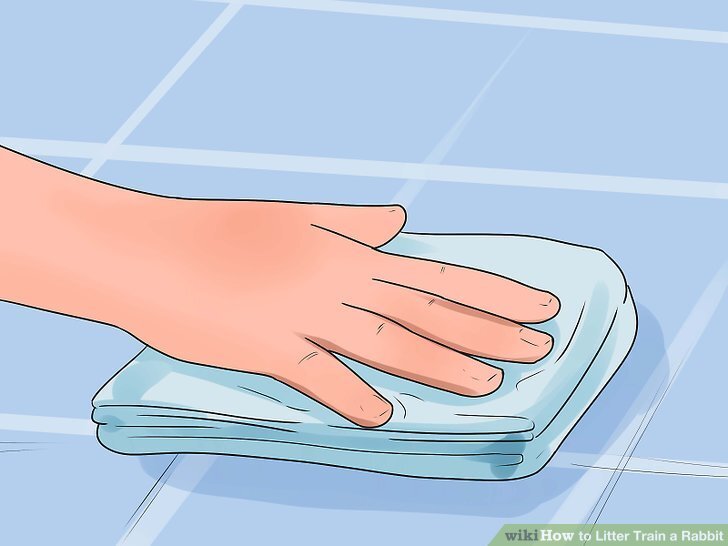
Proper litter box maintenance is crucial for a happy and healthy rabbit and a pleasant living environment. A clean litter box discourages accidents outside the designated area, promotes good hygiene, and helps prevent potential health issues. Regular cleaning and odor control are essential components of this process.
Frequency of Cleaning
Maintaining a clean litter box environment involves regular cleaning. The frequency of cleaning depends on several factors, including the size of the rabbit, the amount of urine and waste produced, and the type of litter used. A general guideline is to scoop out solid waste and soiled litter daily. This prevents ammonia buildup and keeps the litter box fresh.
Completely changing the litter, including cleaning the entire box, should be done at least once a week, or more frequently if needed, to maintain optimal hygiene.
Importance of a Clean Litter Box Environment
A clean litter box is crucial for a rabbit’s well-being. A consistently dirty litter box can lead to a number of issues. A buildup of urine and waste creates unpleasant odors and can attract pests. This can also make the rabbit reluctant to use the litter box, leading to accidents outside the designated area. A clean litter box promotes a healthy and comfortable environment, encouraging proper urination and defecation habits.
Strategies for Maintaining a Hygienic Litter Box Area
Maintaining a hygienic litter box area requires a proactive approach. Regular scooping of waste and soiled litter is vital. Using a litter box that is large enough for the rabbit’s size and activity level can prevent overcrowding and encourage the rabbit to use the box more consistently. The location of the litter box should also be considered; a convenient and easily accessible spot can contribute to its use.
Minimizing Odors from the Litter Box
Litter box odors can be minimized through several strategies. Using a high-quality, absorbent litter can significantly reduce odor. A good-quality litter box, ideally made of a material that is easy to clean and disinfect, will aid in reducing odor. Regular cleaning, as previously discussed, is also essential in mitigating odor. A small amount of baking soda sprinkled in the litter box can also help absorb odors.
Cleaning the Litter Box and Preventing Future Accidents
Proper cleaning procedures are essential to prevent future accidents. First, carefully remove all waste and soiled litter. Thoroughly clean the entire litter box with warm water and a mild, non-toxic cleaner. Rinse thoroughly and allow the box to air dry completely before adding fresh litter. A thorough cleaning ensures that the rabbit feels comfortable and safe using the litter box, discouraging accidents elsewhere.
Consider the rabbit’s preferences; some rabbits might prefer a certain type of litter or a specific box design.
Litter Box Maintenance Checklist
- Daily: Scoop out solid waste and soiled litter.
- Weekly: Completely change the litter and thoroughly clean the litter box.
- Monthly: Deep clean the litter box area, including the surrounding surfaces to prevent any buildup of dust or debris.
- As needed: Clean up any accidents promptly to prevent odors and deter future occurrences.
- Consideration: Observe the rabbit’s behavior and adjust cleaning frequency if necessary. If the rabbit is showing signs of reluctance or discomfort around the litter box, address the situation promptly.
Enrichment and Litter Training
Enrichment plays a crucial role in a rabbit’s overall well-being and can significantly impact litter training success. A bored or stressed rabbit is more likely to have accidents outside the litter box. Providing stimulating activities and a comfortable environment can encourage consistent use of the designated litter area.A well-structured litter training program goes hand-in-hand with enriching the rabbit’s environment.
By creating opportunities for play, exploration, and mental stimulation, you can help your rabbit associate the litter box with a positive experience, further reinforcing the desired behavior.
Enrichment Activities to Support Litter Training
Providing a variety of engaging activities can help reduce the likelihood of accidents outside the litter box. A rabbit that is mentally stimulated is less likely to become bored and mark their territory elsewhere.
- Exploring Different Textures and Materials: Offer a selection of safe, chewable toys and materials with varying textures, such as cardboard tubes, paper bags, or woven baskets. These items provide opportunities for sensory exploration and can keep your rabbit occupied, diverting attention away from inappropriate elimination areas. A rabbit’s natural inclination to chew and explore can be channeled into these enriching activities, making the litter box a more appealing option.
- Creating Tunnels and Hiding Spots: Constructing tunnels and hiding places out of cardboard boxes, blankets, or other safe materials can provide your rabbit with a sense of security and encourage exploration. These areas can be used as safe spaces, reducing anxiety and the urge to urinate or defecate in areas perceived as unsafe or stressful.
- Interactive Play: Engage your rabbit in interactive play sessions, such as offering treats in puzzle toys or using toys that encourage chasing and digging. These activities promote mental stimulation and physical exercise, reducing stress and potential accidents.
How Environmental Enrichment Reduces Accidents
A rabbit’s environment significantly impacts their behavior. A stimulating environment reduces stress and encourages proper litter box usage. When a rabbit feels secure and entertained, they are less likely to exhibit inappropriate elimination behaviors.
- Stress Reduction: A well-enriched environment minimizes stress, a major factor in accidents. A rabbit that feels safe and stimulated is less likely to exhibit inappropriate behaviors.
- Increased Exploration and Play: Enrichment activities encourage exploration and play, diverting energy and attention away from areas where accidents are more likely to occur.
- Positive Association with the Litter Box: By associating positive experiences with the litter box area, such as playtime or treat-giving, the rabbit learns to associate the litter box with a desirable space.
Incorporating Toys and Activities into Litter Training
Toys and activities are integral parts of a litter training program. They can divert the rabbit’s attention from areas outside the litter box and make the litter box more appealing.
- Choosing Appropriate Toys: Select toys made from safe, non-toxic materials that your rabbit can explore and interact with. Avoid toys that could pose a safety risk or that your rabbit might not find stimulating.
- Rotating Toys: Regularly rotate toys to maintain your rabbit’s interest and prevent boredom. A new and interesting toy can reignite exploration and play, keeping the rabbit engaged.
- Combining Toys with Treats: Use treats as rewards for using the litter box and incorporate them into the enrichment activities. This positive reinforcement further strengthens the association between the litter box and positive experiences.
Stimulating Activities to Keep the Rabbit Engaged
Stimulating activities are crucial for preventing boredom and stress, which can lead to accidents.
- Vertical Space: Providing vertical space, such as shelves or a rabbit-safe climbing structure, offers opportunities for exploration and play. This vertical space allows rabbits to view their surroundings and feel a sense of security and control.
- Chew Toys: Offering a variety of chew toys can satisfy the rabbit’s natural urge to chew and explore different textures. This can prevent them from chewing on inappropriate items.
- Sensory Stimulation: Incorporate elements like different textures, sounds, and scents to create a more stimulating environment for your rabbit. This variety of sensory input keeps the rabbit engaged and helps reduce the risk of accidents outside the litter box.
Positive Reinforcement in Litter Training
Positive reinforcement is vital for success in litter training. Rewarding desired behaviors encourages repetition and strengthens the connection between the litter box and a positive experience.
- Recognizing and Rewarding: Reward your rabbit immediately after using the litter box with a treat or praise. This immediate reward reinforces the desired behavior.
- Consistency: Consistency in rewards is key. Always reward your rabbit for using the litter box, even if it takes a while to establish the habit.
- Avoiding Punishment: Punishment can be detrimental to the training process. Never punish your rabbit for accidents. Instead, focus on positive reinforcement to encourage desired behaviors.
Addressing Health Concerns
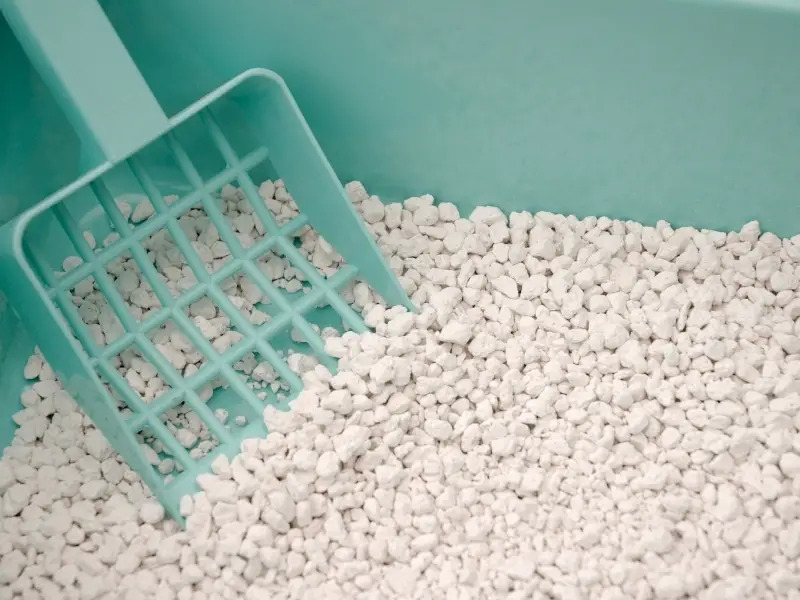
Proper litter training relies heavily on a rabbit’s overall health and well-being. Any underlying health issue can significantly impact a rabbit’s ability to consistently use the litter box, leading to accidents and frustration for both rabbit and owner. Understanding potential health problems and recognizing the signs of discomfort are crucial for successful litter training.Health problems can manifest in various ways, interfering with a rabbit’s natural instincts and routines, including the use of the litter box.
This section will explore how health issues can affect litter training, the importance of veterinary care, potential health problems that may cause accidents, and how to identify signs of potential health issues.
Impact of Health Issues on Litter Training
A rabbit’s health directly influences its ability to maintain a consistent litter box routine. Conditions like arthritis, digestive issues, or urinary tract infections can cause discomfort and pain, making it difficult for the rabbit to reach the litter box or hold its urine or stool. Similarly, neurological issues can impact coordination and muscle control, affecting the rabbit’s ability to navigate to the designated area.
These health challenges often result in accidents outside the litter box.
Importance of Regular Veterinary Checkups
Regular veterinary checkups are essential for maintaining a rabbit’s health and identifying potential problems early. Veterinary examinations allow for the detection of early-stage health issues that might otherwise go unnoticed, potentially preventing more serious problems. These checkups include assessments of the rabbit’s overall physical condition, including weight, coat, and behavior. Veterinarians can identify potential problems such as dental disease, digestive issues, or urinary tract infections, which can all disrupt litter training.
Potential Health Problems Leading to Accidents
Several health problems can contribute to accidents outside the litter box. These include:
- Dental disease: Dental problems, such as overgrown teeth, can cause pain and discomfort, making it difficult for the rabbit to eat and potentially leading to discomfort during urination or defecation, increasing the likelihood of accidents.
- Gastrointestinal stasis: A condition where the digestive system slows down significantly, affecting the rabbit’s ability to process food and causing discomfort, which can lead to changes in bowel movements and increased accidents.
- Urinary tract infections (UTIs): UTIs can cause frequent urination, making it harder for the rabbit to reach the litter box in time, leading to accidents.
- Arthritis: Joint pain and stiffness can make it difficult for the rabbit to move to the litter box, resulting in accidents.
- Neurological issues: Conditions affecting the nervous system can impact a rabbit’s ability to control its bodily functions, leading to incontinence and accidents.
Recognizing Signs of Potential Health Issues
Observing your rabbit’s behavior and physical condition is vital in detecting potential health problems. Changes in appetite, water intake, posture, or activity levels should be noted and discussed with a veterinarian. Changes in bowel habits, such as changes in stool consistency or frequency, can also indicate underlying health concerns.
- Changes in appetite: A sudden loss or increase in appetite can indicate underlying health issues.
- Changes in water intake: Decreased or increased water consumption can be a sign of illness.
- Changes in posture or activity level: Changes in posture, limping, or reduced activity can indicate pain or discomfort.
- Changes in bowel habits: Changes in stool consistency, frequency, or presence of blood can be signs of digestive problems.
- Changes in urination habits: Increased frequency, straining, or blood in the urine can signal a urinary tract infection or other issues.
Common Rabbit Illnesses and Their Impact on Litter Training
Several common rabbit illnesses can affect litter training.
- Dental disease: Overgrown teeth can cause pain and discomfort, impacting a rabbit’s ability to eat and potentially affecting their ability to reach the litter box.
- Respiratory infections: These infections can cause sneezing, nasal discharge, and difficulty breathing, which can make it challenging for a rabbit to maintain a litter box routine.
- Ear infections: Ear infections can cause pain and discomfort, impacting the rabbit’s ability to move freely and locate the litter box.
Troubleshooting Litter Training Issues
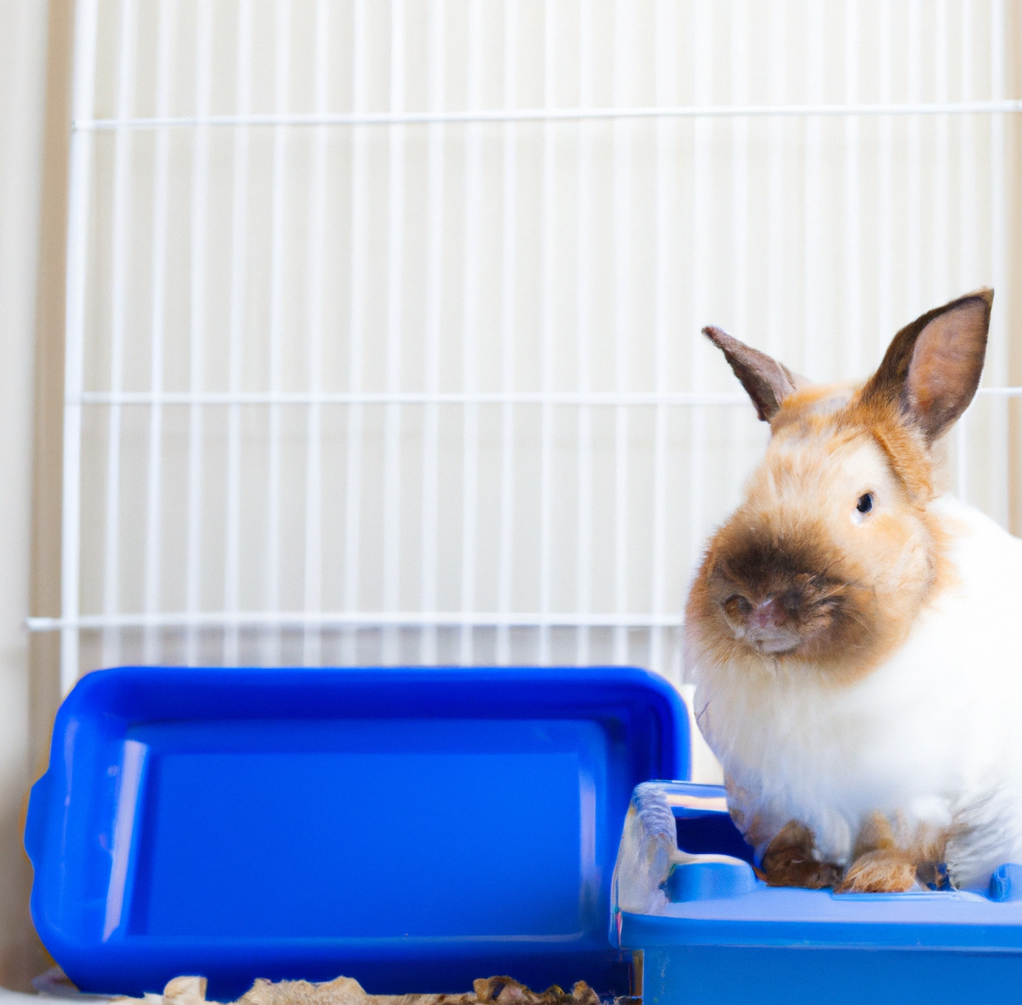
Litter training rabbits can sometimes present challenges, and understanding the potential problems and their solutions is crucial for a successful experience. Consistent observation and a flexible approach are key to addressing these issues effectively. Recognizing the nuances of rabbit behavior and adapting training methods accordingly can greatly improve the process.
Common Litter Training Problems
Understanding common issues in litter training can help anticipate and address them proactively. Rabbits, like any animal, may exhibit behaviors that deviate from the desired litter training routine. Recognizing these patterns and implementing appropriate strategies is key to resolving the problems.
- Resistance to Using the Litter Box: Rabbits may initially resist using a designated litter box for various reasons. This could be due to a lack of familiarity with the box, its location, or its cleanliness. It could also indicate that the rabbit is not comfortable or secure in its environment.
- Frequent Accidents Outside the Litter Box: Frequent accidents outside the litter box can indicate several underlying issues. This might stem from a poorly placed or designed litter box, insufficient litter, or even a health concern. Addressing the possible root cause is essential for resolution.
- Choosing a Different Spot to Eliminate: Rabbits may select an alternative location for urination and defecation, which might be due to stress, discomfort, or an unnoticed problem. This behavior warrants investigation to identify and rectify the cause.
- Changes in Litter Box Habits: Sudden changes in litter box habits, such as an increase in accidents or a complete avoidance of the box, can signify a problem that needs immediate attention. This might be triggered by environmental changes, dietary adjustments, or a medical condition.
Strategies for Overcoming Challenges
Addressing litter training challenges requires a proactive and adaptable approach. A variety of methods can be applied, depending on the specific issue and the rabbit’s personality.
- Adjusting Litter Box Placement and Design: The placement and design of the litter box can influence a rabbit’s willingness to use it. Consider factors like proximity to the rabbit’s resting area, the box’s size, and the ease of access. Ensure the litter box is in a quiet, safe, and accessible location, away from potentially stressful areas like noisy appliances or high-traffic zones.
- Ensuring Sufficient Litter Depth: A sufficient depth of litter is essential for comfort and effective use of the litter box. The litter should be deep enough to absorb urine and provide a comfortable surface for the rabbit to bury its waste. Experiment with different litter types and depths to find what works best for your rabbit.
- Identifying and Addressing Stressors: Stressful environments can significantly impact a rabbit’s behavior, including litter box habits. Look for potential stressors like loud noises, unfamiliar people or animals, or changes in their routine. Create a calming and predictable environment to reduce stress and promote appropriate litter box use.
- Consulting a Veterinarian: If litter training issues persist despite implementing various strategies, consult a veterinarian. Underlying health problems can cause changes in elimination habits. A veterinarian can perform a physical examination and rule out any medical conditions.
Examples of Addressing Rabbit Behaviors
Effective litter training involves understanding and responding to specific rabbit behaviors. For instance, if a rabbit consistently urinates outside the box, investigate potential stressors in the environment or health issues.
- Example 1: A rabbit avoids a particular corner of the cage. This might indicate a stressful or unpleasant experience in that area, such as a previous accident or a perceived threat. Changing the arrangement of the cage, introducing calming scents, or providing alternative resting spots can help resolve the issue.
- Example 2: A rabbit suddenly starts eliminating outside the box after a new toy is introduced. This could indicate the new toy is causing stress or the rabbit is using the toy as a distraction from the litter box. Observe the rabbit’s behavior, remove the new toy temporarily, and reintroduce it gradually to see if the problem persists.
Common Problems and Solutions
This table summarizes common litter training issues and potential solutions.
| Problem | Possible Solutions |
|---|---|
| Resistance to using the litter box | Ensure the box is in a convenient location, provides adequate depth of litter, and is appropriately sized. |
| Frequent accidents outside the litter box | Check for underlying health issues, ensure adequate litter depth, and adjust the box’s placement. |
| Choosing a different spot to eliminate | Identify and address potential stressors, ensure the box is in a safe and comfortable location, and adjust the environment. |
| Changes in litter box habits | Monitor for health changes, and consult a veterinarian if needed, and make gradual changes to the environment. |
Closure
Successfully litter training your rabbit is a journey of understanding and patience. By choosing the right litter, establishing a consistent routine, and addressing any challenges, you can create a happy and healthy environment for your rabbit. Remember, consistency and positive reinforcement are key. This guide provides the knowledge and tools you need to confidently embark on this rewarding process.