This guide provides a comprehensive approach to leash training your feline friend for safe and enjoyable outdoor adventures. It addresses common concerns and offers practical strategies for success, from selecting the right equipment to mastering control in various outdoor settings. Positive reinforcement is emphasized throughout, ensuring a positive and rewarding experience for both you and your cat.
Preparing your cat for outdoor excursions requires careful planning and a gradual introduction to the leash and harness. Understanding your cat’s personality and sensitivities is crucial for tailoring the training process to their individual needs, fostering a trusting bond and building a positive association with the experience.
Introduction to Leash Training for Outdoor Cat Adventures
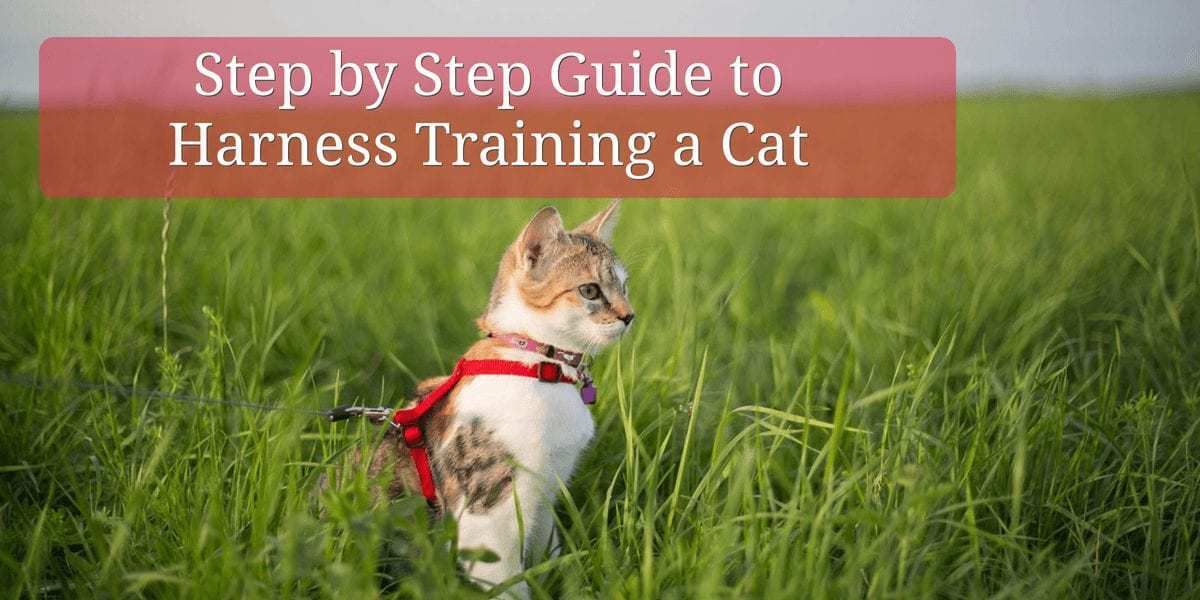
Embarking on outdoor adventures with your feline companion can be a rewarding experience, fostering a stronger bond and providing enrichment. However, the prospect of leash training a cat can raise concerns. This article will address common anxieties and provide a comprehensive guide to successfully leash training your cat for outdoor excursions. We’ll explore the challenges and rewards, emphasizing the crucial role of positive reinforcement and the profound physical and mental benefits of supervised outdoor time.Positive reinforcement is paramount in cat training.
Unlike traditional methods that rely on punishment, positive reinforcement focuses on rewarding desired behaviors. This approach fosters a positive association with the leash and outdoor activities, making the experience enjoyable for both the cat and the owner. It’s crucial for building trust and establishing a collaborative relationship.
Challenges and Rewards of Leash Training
Leash training presents certain challenges, primarily stemming from cats’ natural independence and aversion to being confined. Cats are not naturally accustomed to walking on a leash, requiring patience and consistent training. However, the rewards are substantial. A properly trained cat can explore the world, experiencing new sights, sounds, and scents. This enriches their lives and improves their overall well-being.
Importance of Positive Reinforcement
Positive reinforcement is the cornerstone of effective cat training. This method focuses on rewarding desired behaviors, strengthening the association between the action and a positive outcome. Using treats, praise, and toys, owners can motivate their cats to cooperate during training sessions. Avoiding punishment or negative reinforcement is crucial to maintain a positive and trusting relationship. Negative reinforcement can cause fear and anxiety, hindering progress.
Positive reinforcement builds trust and encourages cooperation.
Physical and Mental Health Benefits
Supervised outdoor adventures offer significant benefits for a cat’s physical and mental well-being. Fresh air, sunshine, and varied sensory experiences stimulate their senses and reduce stress. Outdoor exploration can improve a cat’s physical fitness, promoting healthy weight management and reducing the risk of obesity. Mental stimulation is equally vital. Exploring new environments and interacting with their surroundings enhances cognitive function and reduces boredom.
Designing a Successful Training Program
A structured training program is essential for success. It should begin indoors, gradually introducing the leash and harness in a controlled environment. Short, frequent sessions are key to avoid overwhelming the cat. Building a positive association with the leash and harness is critical. Positive reinforcement should be used consistently throughout the training process.
Patience and consistency are essential for success.
Choosing the Right Leash and Harness
Selecting the appropriate leash and harness is crucial for both your cat’s safety and your ability to enjoy outdoor adventures together. A well-fitted harness and a suitable leash will ensure a comfortable and controlled experience for both of you. The wrong choice can lead to discomfort, fear, and even injury.Proper equipment allows for a smooth transition into outdoor exploration.
A thoughtfully chosen harness will distribute pressure evenly, minimizing discomfort and potential injuries. The leash material and length will contribute to your cat’s comfort and control during walks.
Harness Types for Cats
Choosing the right harness is vital to ensure your cat’s safety and comfort during outdoor excursions. Various types of harnesses are available, each with its own characteristics regarding adjustability, safety features, and potential impact on your cat’s movement. A good fit is essential for a positive experience.
- Front-Clip Harnesses: These harnesses are designed to distribute pressure across the chest and shoulders, providing a more balanced weight distribution compared to other types. This design typically promotes a more comfortable experience for your feline companion, minimizing stress on their neck and spine. This type is generally preferred for cats who are prone to pulling or need extra control.
- H-Harness: This style is often preferred for cats with a tendency to pull on their leash. The harness features a strong, well-constructed chest strap that distributes pressure evenly across the chest. This design is highly supportive and generally regarded as secure.
- Step-in Harnesses: These harnesses are easy to put on and take off, making them a convenient choice for cats who may be resistant to wearing a harness. They typically have a wide, comfortable opening for easy access and a snug fit.
Leash Materials and Lengths
Selecting the right leash material and length is crucial for a positive and safe outdoor experience. Different materials and lengths offer varying levels of control and comfort for your cat.
- Harness Leashes: A harness leash is specifically designed to work with a harness, and the materials are chosen for their strength, durability, and safety. The length of the leash should be appropriate for the space you’re exploring and your cat’s comfort level. A shorter leash allows for better control in tight spaces, while a longer leash provides more freedom in open areas.
Safety should always be paramount.
- Nylon Leashes: Nylon leashes are strong and lightweight, making them a popular choice for cat outdoor adventures. Their strength and durability are beneficial for handling your cat’s movement. However, they can sometimes be less comfortable for the cat compared to other materials.
- Leather Leashes: Leather leashes are durable and offer a firm grip. The material can be more comfortable for the cat compared to nylon. However, they can be more expensive and may not be as durable as nylon in all situations.
Harness Size and Fit
Ensuring a proper harness fit is critical for your cat’s comfort and safety. A well-fitted harness prevents discomfort and injury. A harness that is too tight can restrict your cat’s movement, while one that is too loose may not provide adequate support.
- Measuring Your Cat: Measure your cat’s chest circumference. This measurement is critical for determining the correct harness size. Use a soft tape measure and ensure it’s snug but not overly tight. The measurement should be taken behind the front legs, ensuring an accurate and reliable gauge.
- Harness Adjustment: Check the harness for adjustability. Adjust straps to provide a snug but not constricting fit. Your cat should be able to comfortably move their legs and breathe without any difficulty.
Harness Comparison Table
| Harness Type | Material | Adjustability | Safety Features | Comfort Rating |
|---|---|---|---|---|
| Front-Clip | Durable nylon or polyester | Yes, multiple points | Chest and neck straps for support | Good |
| H-Harness | Durable nylon or polyester | Yes, multiple points | Chest strap for support and security | Excellent |
| Step-in | Soft, breathable material | Yes, multiple points | Wide opening for easy on/off | Good |
Building a Foundation of Positive Reinforcement
Successfully leash training a cat requires a strong foundation built on positive reinforcement. This approach focuses on rewarding desired behaviors rather than punishing undesirable ones. By associating the harness and leash with enjoyable experiences, you create a positive learning environment that fosters trust and cooperation. This method promotes a more comfortable and enjoyable experience for both you and your feline friend.Understanding that cats learn through association, the goal is to make the harness, leash, and outdoor adventures inherently positive.
This means rewarding every step of the process, from initial contact with the equipment to the first tentative steps outside. Consistency and patience are paramount; progress will vary based on individual cat personalities.
Essential Positive Reinforcement Techniques
Positive reinforcement techniques are crucial for shaping desirable behaviors. These techniques involve rewarding actions you want your cat to repeat. This method focuses on rewarding the cat for desired actions, rather than punishing them for undesirable ones. This builds a positive association with the training process.
Associating Harness and Leash with Positive Experiences
The key to success lies in associating the harness and leash with positive experiences. Begin by introducing the harness in a relaxed environment, such as their favorite spot at home. Allow your cat to explore and become comfortable with the harness. Once they are comfortable, attach the leash, again in a familiar, calm setting. Reward any calm interaction with the equipment, such as gentle sniffing or simply tolerating its presence.
Gradually increase the duration of these sessions.
Rewarding Desirable Behaviors During Early Training Sessions
During the initial training sessions, focus on rewarding any behavior that demonstrates a willingness to engage with the harness and leash. This could include allowing you to handle the harness or simply remaining calm while the leash is attached. Start with very small increments of time, and reward even the slightest signs of cooperation. These small victories are essential stepping stones to building a solid foundation for outdoor adventures.
High-Value Treats for Training
Using high-value treats during training sessions can significantly enhance the learning process. These treats are highly desirable to the cat, increasing the motivation to perform the desired behavior. High-value treats are not only tasty but can also be a powerful motivator for your feline companion.
- Tuna or salmon jerky: These are often popular choices for cats, especially when combined with other flavors.
- Small pieces of cooked chicken or turkey: These are nutritious and appealing to many cats. Always ensure they are cooked thoroughly.
- Small, soft cat treats: These are convenient and readily available in various flavors and shapes.
- Cat-specific kibble: A higher-quality cat kibble can be used as a reward, especially if the cat is not interested in other options. Carefully select a kibble that your cat enjoys.
- Plain, unsweetened yogurt: A healthy and often appreciated option for cats.
Gradual Introduction to the Leash and Harness
Introducing a harness and leash to your feline companion requires patience and positive reinforcement. Sudden exposure can lead to fear and anxiety, hindering the training process. A gradual introduction, focusing on desensitization and positive associations, is crucial for a successful outcome. This approach fosters trust and allows your cat to adapt at their own pace.
Step-by-Step Introduction Process
Gradual exposure techniques are essential to desensitize your cat to the harness and leash. This process involves progressively introducing the equipment, building positive associations, and addressing any resistance encountered. Building trust and confidence during this crucial phase will lay the foundation for future outdoor adventures.
- Familiarization: Initially, simply present the harness and leash to your cat without any pressure. Allow them to investigate the equipment at their own pace. A quiet, calm environment is ideal. Do not force the cat to interact with the equipment; this should be a purely exploratory experience. Examples include placing the harness near their favorite sleeping spot or toys, or letting them sniff the leash while you’re nearby.
Duration: A few minutes each session, repeated throughout the day. Potential Issues: Cat ignores the equipment, or shows signs of fear (e.g., hissing, growling). Solutions: Avoid any interaction if fear is exhibited; simply leave the equipment in a visible, non-threatening place. Continue the observation phase.
- Touch and Handling: Gently touch the harness and leash while the cat is engaged in a calming activity, like eating or grooming. Avoid making direct contact with the equipment if the cat shows signs of anxiety. For instance, if the cat is eating, stroke the leash near the food bowl, or if the cat is grooming, touch the harness gently on the fur near the neck.
Duration: 1-2 minutes per session. Potential Issues: Cat pulls away, arches back, or hisses. Solutions: Immediately stop any interaction that elicits fear responses. Return to the previous step and try again after a period of rest.
- Harness Application: Place the harness on the cat while it is engaged in a relaxed activity, such as napping or playing with a toy. Ensure the fit is snug but not overly tight. Do not force the harness onto the cat. Duration: 1-2 minutes, repeated over several sessions. Potential Issues: Cat resists the harness, struggles, or shows signs of discomfort.
Solutions: Remove the harness immediately. Allow the cat to calm down before attempting again. Reward calm behavior with treats and praise. Use a positive reinforcement approach.
- Leash Attachment: Once your cat is comfortable with the harness, attach the leash to it. Maintain a relaxed environment and allow the cat to explore the area. Duration: Short sessions (5-10 minutes) initially, gradually increasing duration as the cat becomes accustomed to the leash. Potential Issues: Pulling on the leash, showing signs of stress. Solutions: Allow the cat to move at its own pace.
Do not force the cat to move in a direction it does not want to go. Short, frequent sessions are important.
- Controlled Movement: Begin very short leash walks in a familiar, safe, and enclosed space (e.g., a fenced yard or a secure area). Allow the cat to explore and lead the way. Avoid forcing the cat to walk in a specific direction. Duration: 5-10 minutes per session, gradually increasing duration. Potential Issues: Pulling on the leash, resisting movement, showing fear or aggression.
Solutions: Stop the walk and reward calm behavior. Gradually increase the duration of the walks over several sessions.
Table of Introduction Process
| Step Number | Description | Duration | Potential Issues |
|---|---|---|---|
| 1 | Familiarization with equipment | Few minutes per session | Cat ignores equipment, shows fear |
| 2 | Gentle touch and handling | 1-2 minutes per session | Cat pulls away, shows fear |
| 3 | Harness application | 1-2 minutes per session | Cat resists, shows discomfort |
| 4 | Leash attachment | 5-10 minutes per session (initial) | Pulling on leash, stress |
| 5 | Controlled movement | 5-10 minutes (initial), increasing | Pulling, resisting, fear |
Training Sessions and Practice

Consistent and well-structured training sessions are crucial for successfully leash training your feline companion. Regular practice helps build positive associations with the leash and harness, making the experience enjoyable for both you and your cat. This process allows your cat to become comfortable with the new equipment and the sensations it brings, ultimately leading to a positive and rewarding outdoor experience.Short, frequent sessions are key to maintaining your cat’s focus and enthusiasm.
Avoid overwhelming your cat with lengthy training sessions, which can lead to frustration and a negative association with the process. Remember, cats thrive on short bursts of focused activity. Positive reinforcement and patience are your best tools.
Importance of Consistent Training Sessions
Short, frequent training sessions are essential for maintaining your cat’s focus and motivation. This approach prevents your cat from becoming overwhelmed or bored, leading to a more positive learning experience. Consistency in scheduling these sessions reinforces the association between the leash and harness and the positive experiences that follow.
Rewarding Appropriate Leash Behavior
Positive reinforcement plays a vital role in shaping your cat’s behavior. When your cat exhibits desired leash behavior, such as walking calmly beside you, immediately reward them with a highly valued treat, praise, or a favorite toy. This positive reinforcement strengthens the connection between the desired behavior and the reward, encouraging repetition. A clicker can be used to mark the exact moment the desired behavior occurs, making the association even clearer.
Addressing and Managing Anxiety or Fear
Cats can experience anxiety or fear during training sessions. Observe your cat’s body language; subtle signs like flattened ears, hissing, or tail tucked between the legs indicate discomfort. If your cat displays these signs, immediately stop the training session and create a safe space for your cat to calm down. Providing a cozy, quiet area with familiar scents and objects can help soothe their anxiety.
Gradually reintroduce the leash and harness in a low-stress environment. Never force your cat into a situation where they feel threatened or uncomfortable.
Scheduling Regular Training Sessions
Establishing a consistent training schedule helps your cat anticipate and prepare for training sessions. Consistency creates a predictable routine, reducing stress and increasing the likelihood of successful training. For example, dedicate 10-15 minutes each day to training sessions, ideally at the same time each day. This predictability allows your cat to associate the time with a positive experience.
A schedule can be adapted as your cat progresses and demonstrates a stronger understanding of leash training.
Outdoor Adventures
Mastering the art of leash training for your feline friend extends beyond the confines of your home. Successfully navigating outdoor environments requires a proactive approach to control, distraction management, and adaptability. This section will explore strategies for maintaining control, handling unexpected situations, and rewarding your cat for positive responses in outdoor settings.
Maintaining Control on Leash
Maintaining control involves a delicate balance of your cat’s comfort and your ability to guide them safely. A secure harness and leash are crucial, but the key is understanding your cat’s body language. A calm, confident posture on your part will encourage a similar response from your cat. Conversely, a frantic or anxious demeanor will likely be mirrored by your feline companion.
Regular practice sessions will build your cat’s confidence and your understanding of their cues.
Distraction Management
Distractions are inevitable during outdoor walks. It’s important to establish a safe distance from potential triggers, such as loud noises, other animals, or enticing scents. Initially, choose locations with minimal distractions to allow your cat to focus on you. Gradually, introduce controlled environments with moderate distractions. This gradual exposure helps your cat learn to filter out irrelevant stimuli.
Consistency is key.
Handling Unexpected Situations
Unexpected events, like a sudden rush of wind or a squirrel darting across the path, are bound to occur. It’s essential to remain calm and avoid reacting in a way that could frighten your cat. A swift, controlled adjustment of the leash, coupled with reassuring words, can help redirect your cat’s attention. Practice handling such situations in a safe, controlled environment.
Rewarding Calm and Responsiveness
Positive reinforcement is paramount in outdoor leash training. Reward your cat immediately upon exhibiting calm behavior and responsiveness to your cues. High-value treats, praise, or a favorite toy can be effective rewards. Consistency in rewarding desired actions will reinforce the desired behaviors.
Leash Handling Techniques
Different leash handling techniques cater to varying cat personalities. A gentle, relaxed approach works best for cats with a timid nature. A firmer, yet reassuring touch is suitable for cats who require a bit more direction. A shorter leash is often preferable for close supervision, while a longer leash offers more freedom for exploration. Experiment with different techniques to discover the approach that resonates best with your cat.
| Cat Personality | Leash Handling Technique |
|---|---|
| Timid | Gentle, relaxed, and reassuring |
| Independent | Firm, but reassuring touch; use a longer leash |
| Energetic | Firm guidance; use a shorter leash |
Common Mistakes and Solutions
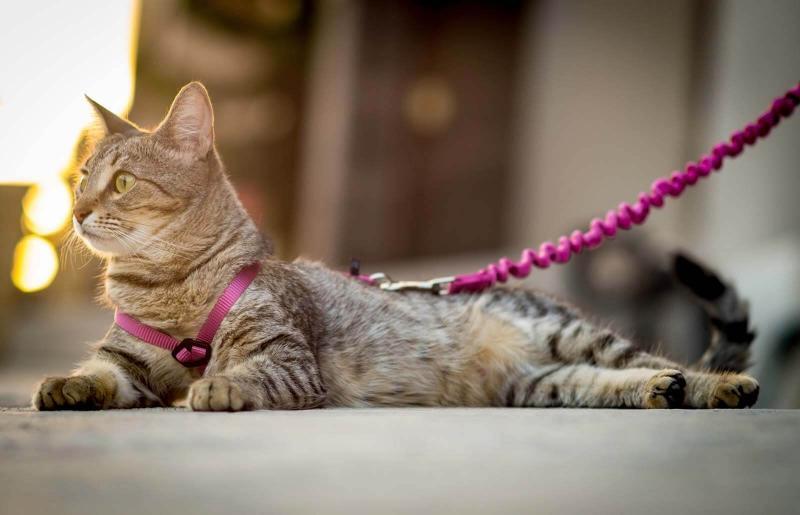
Leash training a cat, while rewarding, can present unique challenges. Understanding common pitfalls and developing proactive solutions is key to a positive and successful experience for both you and your feline friend. This section will address common mistakes, offering strategies to overcome resistance, fear, and pulling, and how to adapt training to various cat personalities.Troubleshooting during leash training is crucial to ensure a positive and enriching experience.
Recognizing common mistakes and developing effective countermeasures can significantly improve the overall training process.
Identifying Common Mistakes
A proactive approach to cat leash training involves identifying potential pitfalls early on. Cats, unlike dogs, do not instinctively understand the concept of walking on a leash. Their natural behaviors, such as exploring and hunting, can easily lead to pulling or resistance. A lack of understanding of feline communication, and a failure to tailor training to individual cat personalities, can significantly hinder progress.
Inaccurate harness fitting or an overly stimulating environment can also lead to negative associations with the leash.
Addressing Pulling and Resistance
Pulling and resistance are frequent issues during leash training. Understanding the underlying cause is crucial for effective solutions. If a cat pulls, it often signifies a strong desire to explore or pursue a scent or sight. Redirecting this energy with a well-timed treat or engaging them with a stimulating toy can be effective. If the pulling stems from anxiety or fear, a gradual introduction to the leash and harness, in a calm and reassuring environment, is vital.
Using positive reinforcement techniques, such as rewarding calm behavior, can help the cat associate the leash with positive experiences.
Handling Fear Responses
Fearful reactions during leash training are common and require a sensitive approach. A cat exhibiting fear may exhibit signs such as hissing, hiding, or avoiding the leash. In such cases, creating a calm and predictable environment is paramount. Gradually introducing the cat to the leash and harness in a quiet, familiar location is crucial. Avoid forcing the cat into situations that induce fear.
Employing calming pheromones or using a calming music playlist can further reduce anxiety.
Adapting to Different Cat Personalities
Every cat possesses a unique personality, and training methods must be adapted accordingly. Some cats are naturally curious and eager to explore, while others are more cautious and reserved. A playful cat might respond well to interactive games and toys during training, while a more reserved cat might require a more gentle and patient approach. Monitoring the cat’s body language is critical.
If the cat shows signs of stress or anxiety, adjusting the training environment or technique is essential.
Examples of Adapting Techniques
For an assertive cat that pulls, use a long leash and guide the cat with gentle movements and encouragement, rewarding calm walks. A shy cat may require extended periods of familiarization with the harness and leash in a quiet room, rewarding any calm interaction with the equipment. For a highly energetic cat, incorporate play sessions and interactive toys into the training routine to redirect their energy and focus on positive interactions.
Troubleshooting Harness Fit
Ensuring a proper harness fit is crucial for comfort and safety. A poorly fitting harness can cause discomfort, leading to resistance and pulling. The harness should fit snugly but not restrict movement. Check regularly to ensure the harness isn’t too tight or loose. If the harness feels too tight, adjust it accordingly.
Consider a second opinion from a veterinarian or a certified animal behaviorist if the issue persists.
Maintaining the Training Routine
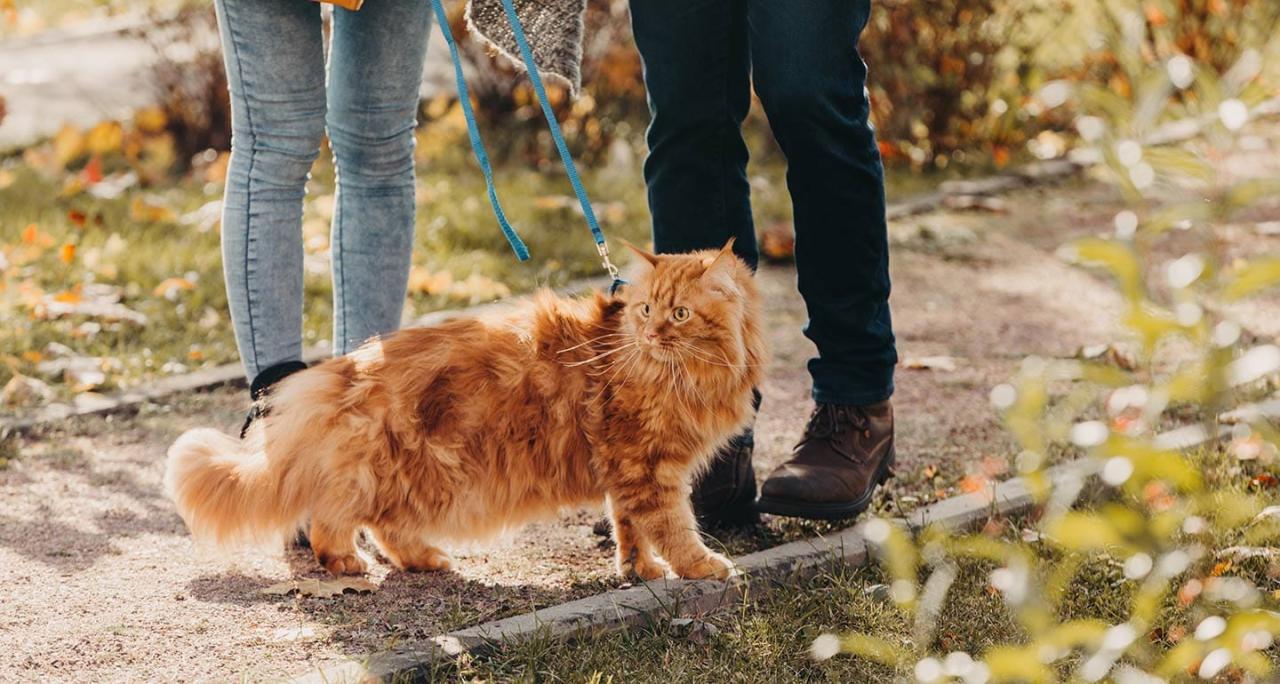
Consistent practice is crucial for solidifying your cat’s leash training and ensuring they comfortably adapt to outdoor adventures. Regular sessions, even short ones, reinforce the learned behaviors and build a strong association between the leash and harness and positive experiences. This consistency is key to maintaining a positive relationship with your cat and preventing any anxieties or resistance to the training process.Maintaining a consistent routine is vital for maintaining learned behaviors.
Cats, like all creatures, thrive on routine and predictability. Regular training sessions, even short ones, help reinforce the learned association between the leash and positive experiences. By creating a predictable schedule, you provide your cat with a sense of security and allow them to anticipate and embrace the training process.
Adjusting Training Based on Progress
Recognizing and responding to your cat’s progress is essential. A cat that readily accepts the harness and leash in a quiet environment may require a different approach when exposed to a busy park. Training should be adjusted based on your cat’s responses, ensuring a gradual and comfortable transition. Observe for signs of stress or reluctance. If your cat shows signs of discomfort or anxiety, reduce the duration of the training sessions and focus on positive reinforcement to re-establish a positive association.
Gradually increase the duration and complexity as your cat demonstrates increasing comfort.
Adapting Training to Different Environments and Situations
Outdoor environments can vary greatly, from quiet parks to bustling streets. Adjusting your training approach to these diverse situations is crucial. Start with familiar, low-stimulation environments. As your cat becomes comfortable, gradually introduce more complex environments. If your cat shows signs of stress or anxiety in a new environment, retreat to a familiar location and re-establish a positive association.
Gradually reintroduce the new environment with shorter training sessions and focus on positive reinforcement.
Preventing Regression in Leash Training
Regression in training is a natural possibility, especially with cats. Preventing regression requires a proactive approach. Regular practice, even when your cat is comfortable with the leash and harness, is key to maintaining the learned behaviors. Maintaining a positive and encouraging environment during training sessions is vital. Reviewing previous training techniques and adjusting them to the current situation can prevent regression.
Maintaining a positive association between the leash and positive experiences is paramount.
Closing Summary
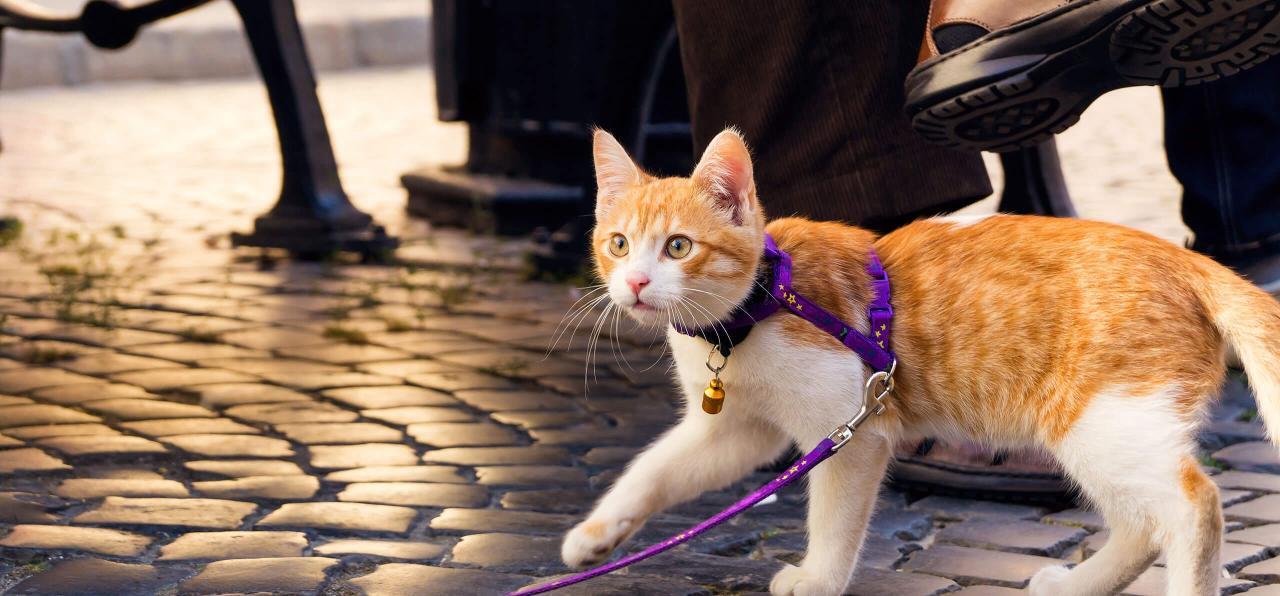
Successfully leash training your cat for outdoor adventures hinges on patience, consistency, and a deep understanding of feline behavior. By following the steps Artikeld in this guide, you can create a positive experience for your cat, fostering a stronger bond and allowing them to explore the world safely and confidently. Remember to always prioritize your cat’s comfort and well-being throughout the training process.