Successfully leash training a puppy is a rewarding journey for both owner and pet. This guide provides a comprehensive approach, covering essential steps from initial socialization to addressing challenges like pulling and distractions. Understanding the importance of positive reinforcement and early training will lay a strong foundation for a happy and well-behaved companion.
We’ll explore the fundamentals of puppy communication, equipping you with the knowledge and tools to build a strong bond and ensure a pleasant walking experience. From choosing the right equipment to understanding common mistakes, this guide is designed to empower you to confidently train your puppy to walk nicely on a leash.
Introduction to Leash Training

Leash training for puppies is a crucial process that teaches your furry friend to walk politely and safely on a leash. It’s more than just preventing pulling; it fosters a positive relationship between you and your puppy, establishing clear communication and control while enhancing the puppy’s overall well-being. This training involves building a strong foundation through socialization, positive reinforcement, and consistent practice.Early socialization and positive reinforcement are paramount in effective leash training.
A well-socialized puppy is more likely to remain calm and focused during walks, reducing pulling behaviors. Positive reinforcement, such as rewarding desired behaviors, helps to reinforce good habits and build a strong bond with your puppy. This approach builds trust and makes learning enjoyable for both you and your pup.Successful leash training offers numerous benefits for both the puppy and owner.
For the puppy, it promotes a comfortable and safe walking experience, prevents injuries, and establishes essential obedience skills. For the owner, it leads to a more enjoyable and stress-free walk, avoiding potential hazards and building a stronger relationship with their companion.Common mistakes to avoid when starting leash training include using punishment, inconsistent training methods, and not having realistic expectations.
Rushing the process or expecting immediate results can lead to frustration for both you and your puppy. Patience, consistency, and a positive attitude are key to success.
Leash Training Methods Comparison
Different methods exist for leash training, each with its own approach and principles. Understanding these methods allows you to select the one that best suits your puppy’s temperament and your training style.
| Training Method | Description | Strengths | Weaknesses |
|---|---|---|---|
| Clicker Training | Uses a clicker to mark the precise moment a desired behavior occurs, immediately followed by a reward. | Highly precise, allows for shaping complex behaviors, reinforces desired behaviors quickly. | Requires practice and consistency to associate the click with the reward, may not be suitable for all puppies. |
| Reward-Based Training | Relies on rewarding desirable behaviors with treats, praise, or toys. | Positive and motivating, builds a strong bond between the owner and the puppy, avoids punishment. | Can be less precise than clicker training, requires consistent delivery of rewards. |
| Lure-Reward Training | Uses a treat or toy to lure the puppy into the desired position or behavior. | Effective for teaching new commands, helps the puppy understand the desired action. | The puppy may become overly reliant on the lure, potentially making it harder to transition to the command without the lure. |
A well-structured comparison of different leash training methods highlights the nuances of each approach. Each method presents its own advantages and disadvantages, and choosing the right method for your puppy is crucial for success. The choice will depend on the puppy’s personality and the owner’s comfort level. A trial-and-error approach may be necessary to find the most suitable method.
Essential Supplies and Equipment
Proper preparation is key to a successful leash training session with your puppy. Having the right equipment not only makes the process more comfortable for both you and your furry friend but also significantly enhances the effectiveness of your training. This section will Artikel the essential supplies, focusing on leash types, harnesses, collars, and the importance of proper sizing.
Essential Leash Training Supplies
A comprehensive list of essential supplies is crucial for a positive and effective training experience. These items will aid in both safety and successful communication with your puppy. This includes everything from the leash itself to essential accessories for identification and comfort.
- Leash: A sturdy leash is essential for controlling your puppy during walks and training sessions. Consider a leash that is the appropriate length for your puppy’s size and your training needs.
- Harness: A well-fitting harness is often a safer and more comfortable option for puppies compared to a collar, especially for puppies prone to pulling.
- Collar: A collar with ID tags is crucial for identification purposes, in case your puppy gets lost. Choose a collar that fits snugly without being too tight.
- ID Tags: These tags should include your puppy’s name and your contact information. Consider reflective tags for increased visibility in low-light conditions.
- Treats: High-value treats are essential for rewarding good behavior during training sessions. Use small, easily digestible treats to avoid digestive issues.
- Measuring Tape: Accurate measurements are essential for ensuring that all equipment fits properly and comfortably.
Types of Leashes and Harnesses
The choice of leash and harness significantly impacts your puppy’s comfort and your ability to control them. Understanding the different types available is crucial to selecting the right equipment for your puppy.
- Leash Types: There are various leash types, each with its own characteristics. Some commonly used leashes include retractable leashes, standard leashes, and padded leashes.
- Harness Types: Harnesses come in various styles, such as front-clip harnesses, back-clip harnesses, and no-pull harnesses. Each type has its own advantages and disadvantages.
Choosing the Right Collar and Tags
A properly fitted collar and appropriate tags are essential for safety and identification. A collar that’s too tight can cause discomfort or injury, while a collar that’s too loose could easily slip off. Tags provide crucial information for locating your puppy in case they get lost.
- Collar Fit: The collar should fit snugly around your puppy’s neck, allowing for one finger to fit comfortably between the collar and your puppy’s skin. Avoid collars that are too tight, as this can restrict breathing and cause discomfort.
- Tag Content: Tags should clearly display your puppy’s name and your contact information. Include a clear phone number for easy identification. Consider adding a reflective tag for improved visibility in low-light conditions.
Measuring Your Puppy’s Size for Equipment
Accurately measuring your puppy’s size is crucial for ensuring a proper fit for all equipment. Incorrect sizing can lead to discomfort, injury, and training difficulties.
- Neck Circumference: Measure the circumference of your puppy’s neck, just behind the ears, using a soft measuring tape.
- Chest Circumference: Measure the circumference of your puppy’s chest, just behind the front legs, using a soft measuring tape.
- Waist Circumference (for harnesses): Measure the circumference of your puppy’s waist, just behind the front legs, using a soft measuring tape.
Leash Types and Breed Suitability
Different leash types have varying pros and cons, which might make them more or less suitable for different breeds.
| Leash Type | Pros | Cons | Suitable Breeds (Example) |
|---|---|---|---|
| Retractable Leash | Convenience, good for exploring | Less control, can be dangerous for pulling breeds | Small, playful breeds |
| Standard Leash | Good control, versatility | Can be less convenient for exploring | Most breeds |
| Padded Leash | Comfort for puppy, less strain on neck | Can be bulkier | Small breeds, puppies |
Building a Solid Foundation
Establishing a strong bond with your puppy is paramount to successful leash training. A positive and trusting relationship fosters cooperation and makes learning more enjoyable for both you and your furry friend. This foundation is built on mutual respect and understanding, allowing for effective communication and the establishment of clear expectations.A well-bonded puppy is more receptive to training cues and commands.
This trust allows for a more relaxed and enjoyable learning experience for both of you, making the process more effective and less stressful. A strong bond provides the necessary stability for your puppy to learn and grow.
Importance of Bonding
Building a strong bond involves consistent positive interaction. This includes daily play, affection, and attention. Engaging in activities your puppy enjoys, such as games and treats, strengthens your connection. This positive reinforcement builds trust and encourages cooperation during training sessions.
Establishing Clear Communication and Expectations
Clear communication is essential for effective training. Use consistent verbal cues and hand signals for commands. For example, “sit” can be accompanied by a hand gesture indicating the desired position. Visual and auditory cues should be consistently paired for optimal learning. This consistency ensures your puppy understands the expected behavior.
Rewarding desired behaviors immediately reinforces the connection between the action and the reward.
Teaching Basic Commands
Teaching basic commands like “sit,” “stay,” and “come” lays the groundwork for more complex leash training. Start with short, positive sessions, focusing on clear, concise commands and immediate rewards. Positive reinforcement, such as treats or praise, is crucial for encouraging desired behaviors. Short, frequent sessions are more effective than long, drawn-out ones. Avoid punishment, as this can damage the bond and hinder learning.
Consistency and Patience
Consistency is key to success in puppy training. Use the same commands and hand signals each time. Your puppy will learn to associate these with the desired behavior. Patience is also crucial; training takes time and effort. Don’t get discouraged if your puppy doesn’t grasp a command immediately.
Be patient and celebrate small victories. Remember that every puppy learns at its own pace. Rewarding even small steps toward the desired behavior will encourage progress.
Introducing the Leash – Step-by-Step Guide
| Step | Action | Description |
|---|---|---|
| 1 | Familiarization | Allow your puppy to sniff and explore the leash without attaching it to anything. Let them become comfortable with the feel and weight of the leash. |
| 2 | Gentle Handling | Gradually introduce the leash by attaching it to a collar and allowing your puppy to wear it for short periods, while continuing to praise and reward good behavior. |
| 3 | Controlled Walks in a Safe Space | Start with short, controlled walks in a familiar, enclosed area. Focus on rewarding calm and attentive behavior. Use treats and praise to reinforce good leash manners. |
| 4 | Gradual Increase in Distance | Slowly increase the distance of your walks as your puppy becomes more comfortable with the leash. Be prepared to shorten the walks if your puppy shows signs of frustration or pulling. |
| 5 | Reinforce Good Behavior | Continue rewarding good leash behavior. Use positive reinforcement techniques like praise and treats. |
Teaching the “Walk”
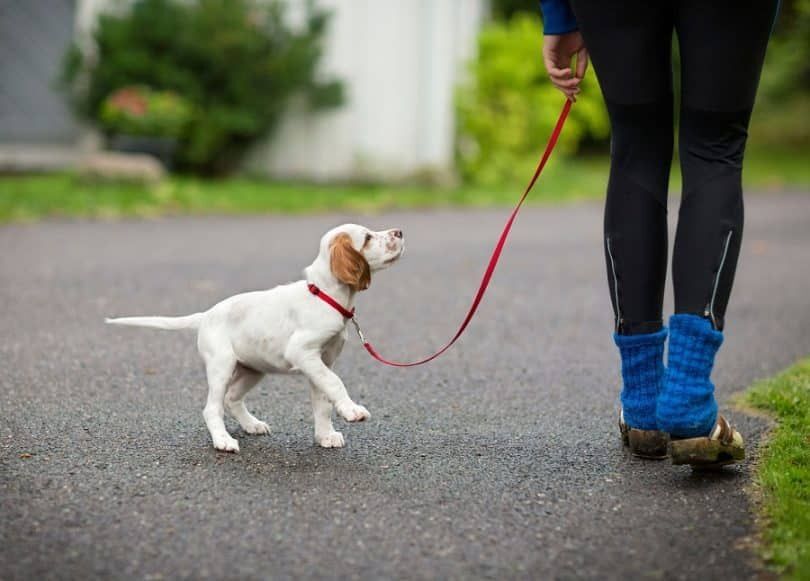
Introducing the “walk” command is a crucial step in leash training. A positive and consistent approach, combined with a controlled environment, sets the stage for a well-behaved, happy dog. Understanding your puppy’s needs and motivations, along with anticipating potential challenges, will significantly contribute to their success.The key to effective leash training is establishing a strong foundation of positive reinforcement.
This builds a positive association with the leash and walking experience, encouraging your puppy to view walks as a rewarding activity rather than a chore. Remember, patience and consistency are paramount throughout this process.
Introducing the “Walk” in a Controlled Environment
Begin leash training in a familiar, low-distraction environment. A quiet backyard or a hallway in your home is ideal for initial training. This allows your puppy to focus on you and the task at hand without the overwhelming influence of external stimuli. Gradually, as your puppy masters the skill, you can introduce more challenging environments.
Importance of Positive Reinforcement During the “Walk” Training
Positive reinforcement is the cornerstone of effective leash training. Rewarding desired behaviors, such as walking calmly by your side, reinforces the positive connection between walking and reward. Treats, praise, and toys can be used as positive reinforcement. Avoid punishment as it can create fear and anxiety, potentially hindering progress.
Methods for Dealing with Distractions During Walks
Distractions are inevitable during walks. To manage them, anticipate potential triggers and practice strategies in a controlled environment. For example, if your puppy is easily distracted by squirrels, practice walking past a squirrel-filled area in your yard. Gradually increase the challenge as your puppy demonstrates mastery. Use verbal cues like “look at me” to redirect your puppy’s attention.
Strategies for Correcting Unwanted Behaviors
Addressing unwanted behaviors like pulling or lunging requires a structured approach. For pulling, immediately stop walking and stand still. Hold the leash firmly but gently and maintain a neutral stance. If the pulling stops, reward the calm behavior with a treat and praise. If the pulling continues, turn around and walk in the opposite direction.
This method of redirection teaches your puppy that pulling leads to an interruption of the desired activity.For lunging, immediately redirect your puppy’s attention to a different stimulus. For example, if they’re lunging at another dog, use a verbal cue like “leave it” and redirect them towards a more interesting scent or object. Avoid pulling or pushing against the lunge; this can escalate the behavior.
Table of Common Puppy Leash Training Mistakes and Solutions
| Mistake | Solution |
|---|---|
| Pulling on the leash | Stop walking, maintain a neutral stance, reward calmness, and reverse direction if pulling continues. |
| Lunging at other dogs/objects | Redirect their attention with verbal cues like “leave it” and a different stimulus. |
| Ignoring commands | Reassess training environment, ensure your commands are clear and consistent. |
| Using punishment | Focus on positive reinforcement. Punishment creates fear and hinders progress. |
| Not rewarding desired behavior | Immediately reward calm and attentive walking. |
Handling Specific Challenges
Leash training a puppy is a journey of patience and understanding. While establishing a solid foundation is crucial, unforeseen challenges are inevitable. Addressing these challenges effectively requires a flexible approach, tailored to your puppy’s unique personality and learning style. Consistent strategies, coupled with gradual desensitization, are key to overcoming obstacles and ensuring a positive walking experience for both you and your furry friend.
Dealing with Pulling
Pulling on the leash is a common issue in puppy training. It often stems from a lack of understanding about how to walk politely on a leash. Addressing this requires a multi-faceted approach, focusing on rewarding desired behaviors. A consistent and positive reinforcement method is essential to shaping the puppy’s response.
- Using a Front-Clip Harness: A front-clip harness redirects the puppy’s pulling energy, making it less effective. The harness is positioned in front of the puppy, so when they pull, the direction is altered. This is often more effective than a traditional collar because it doesn’t apply pressure to the neck, thus reducing discomfort for the puppy.
- Stopping and Rewarding: Whenever the puppy pulls, immediately stop walking. Stay completely still until the puppy releases the pressure on the leash. Once the puppy is walking calmly, reward them with praise, a treat, or a favorite toy.
- Using a Gentle Leader (Head Halti): This specialized head halter allows you to guide your puppy’s head and neck, making it easier to control their direction. However, it’s essential to use this tool with care and understanding to avoid causing discomfort. It’s crucial to understand how to apply the Gentle Leader correctly and to supervise the puppy closely during training.
- Consistency is Key: Every time your puppy pulls, stop walking. This consistency reinforces the desired behavior. Practice the same procedure in various settings to help the puppy learn to walk nicely in any environment.
Managing Excitement and Fear
Puppies, like children, can exhibit a range of emotions during walks, from exuberant excitement to fearful hesitation. Recognizing and responding to these emotions is critical for a successful leash training experience.
- Recognizing Signs of Excitement: Be mindful of your puppy’s body language. Tail wagging, whining, and jumping are all indications of excitement. Stopping walking, and rewarding calm behavior is key to managing these emotional outbursts.
- Addressing Fearful Behavior: Avoid forcing your puppy to walk past something that frightens them. Instead, create positive associations with the trigger. Gradually introduce the feared object or stimulus, while rewarding calmness.
- Building Confidence: Gradually expose your puppy to new and potentially frightening situations, ensuring they are not overwhelmed. Positive reinforcement techniques will aid in building confidence and positive experiences.
Handling Interactions with Other Dogs and People
Successfully managing encounters with other dogs and people is an important aspect of leash training. A well-trained puppy will remain calm and focused, respecting personal space and the personal space of others.
- Controlled Introductions: When introducing your puppy to other dogs, supervise the interaction closely. Ensure both dogs are receptive and calm. If you feel the interaction is escalating, quickly intervene and separate the dogs.
- Practicing in Various Environments: Engage in practice sessions in a variety of environments to expose your puppy to different situations and types of people. This exposure will help your puppy become more adaptable and resilient.
- Using Verbal Cues and Body Language: Using verbal cues and adjusting your body language to communicate your expectations is essential. This will help your puppy respond appropriately to social cues and maintain control in a variety of environments.
Importance of Consistency and Gradual Desensitization
Consistency is paramount in shaping a puppy’s behavior. Repetition of the training process, along with positive reinforcement, reinforces the desired responses and outcomes.
- Consistent Reinforcement: Using the same commands and rewards consistently helps your puppy understand expectations clearly. Consistency will help your puppy respond correctly and predictably.
- Gradual Desensitization: Avoid overwhelming your puppy by introducing new stimuli gradually. This will prevent them from becoming anxious or overwhelmed and will allow them to process the new stimulus.
Different Approaches to Common Challenges
Addressing challenges requires flexibility and adaptability. Different approaches might be more effective depending on your puppy’s specific needs and learning style. This includes considering their breed, age, and individual temperament.
- Using Positive Reinforcement Techniques: Rewarding calm and appropriate behaviors reinforces those desired actions, making them more likely to occur in the future. This will build a positive association with the training process.
- Considering Professional Guidance: If you encounter persistent challenges, seeking advice from a certified dog trainer can provide personalized strategies and support.
Troubleshooting and Common Mistakes
Leash training a puppy can be challenging, and owners often encounter setbacks. Recognizing common mistakes and understanding their underlying causes is crucial for successful training. This section details typical errors, their explanations, and effective solutions, helping you navigate potential obstacles and ensure a positive training experience for both you and your furry friend.Owners frequently encounter obstacles during leash training, often stemming from a misunderstanding of puppy behaviour.
Understanding these mistakes and their root causes allows for the implementation of appropriate corrective measures. Careful observation and a flexible training approach are key to success.
Common Leash Training Mistakes
Many owners make mistakes in leash training due to impatience or a lack of understanding of canine body language. Knowing the reasons behind these mistakes is vital for developing a positive training strategy.
- Pulling on the leash is a common issue. This often results from a lack of clear communication or reward for desired behaviours. Owners may not be consistently rewarding the puppy for walking calmly beside them, and the puppy may not understand what is expected.
- Yanking the leash is another prevalent mistake. This action can cause fear, confusion, and resentment in the puppy. Punitive measures often lead to an association of negative feelings with the leash, hindering progress.
- Ignoring the puppy’s body language during the walk. This is often related to a lack of awareness of subtle cues that indicate the puppy’s needs. Failing to recognise these cues can result in frustration and misunderstanding.
- Using inconsistent commands or rewards. This inconsistency can lead to confusion and a lack of understanding in the puppy. The puppy might not know what behaviour is expected, making training less effective.
Addressing Puppy Behaviors During Walks
Understanding and addressing different puppy behaviours is critical for effective leash training. This section provides a framework for recognizing and responding to various behaviours.
| Puppy Behavior | Possible Causes | Solutions |
|---|---|---|
| Pulling on the leash | Lack of clear communication, excitement, or a lack of reward for calm walking | Use a head halter (if appropriate), reward calm walking with treats and praise, and gradually increase the distance. |
| Lunging or barking at other dogs/people | Fear, excitement, or lack of socialization | Maintain a safe distance, use positive reinforcement for calm behaviour around other animals, and provide socialization opportunities. |
| Stopping frequently | Needs to relieve themselves, or a desire to sniff | Pay attention to the puppy’s cues and allow them to stop, then redirect them back to the desired walking path with encouragement and reward. |
| Hesitation or reluctance to walk | Fear, anxiety, or pain | Assess the situation, ensure the puppy isn’t experiencing pain or discomfort. Reduce the duration of the walk if needed and try to make it a more enjoyable experience for the puppy. |
Correcting Common Mistakes
Consistent training and positive reinforcement are essential for overcoming leash training challenges. It’s crucial to remain patient and adjust your approach as needed.
- Focus on positive reinforcement: Rewarding calm walking with treats and praise will encourage the desired behaviour.
- Use a head halter or harness (if necessary) to redirect pulling. This can be a useful tool in helping to manage pulling, but is not a cure-all.
- Shorten walks if necessary: Avoid long, tiring walks initially, and gradually increase the duration.
- Use clear and consistent commands. Avoid confusion by using consistent commands and body language.
Maintaining Good Habits
Establishing a positive leash training routine with your puppy is not a one-time event; it’s a continuous process requiring consistent effort and dedication. Maintaining these good habits ensures your puppy learns and retains the skills acquired, making walks enjoyable for both of you. This involves not only mastering the commands but also adapting to various situations and overcoming potential setbacks.A well-maintained training routine fosters a strong bond between you and your puppy, making learning fun and rewarding.
Regular practice reinforces learned behaviors, while adjusting to new environments and scenarios allows for generalization of the learned commands. This approach also helps you identify and address potential regressions promptly, preventing setbacks from hindering your progress.
Maintaining a Positive Leash Training Routine
Consistency is key to a successful leash training routine. Establish a regular schedule for walks, ensuring they happen at roughly the same time each day. This predictability helps your puppy anticipate and adjust to the routine, making it easier for them to focus on the task at hand.
Importance of Regular Practice and Reinforcement
Regular practice is essential for solidifying learned behaviors. Short, frequent training sessions are more effective than infrequent, lengthy ones. Use positive reinforcement techniques, such as treats, praise, and petting, to reward desired behaviors. Reinforcement strengthens the association between the desired behavior and the reward, motivating the puppy to repeat it. This positive reinforcement method also builds a stronger bond between you and your puppy, fostering a more positive learning environment.
Adapting to Changing Environments and Situations
Training should not be confined to your home. Take your puppy to different environments, such as parks, stores, and busy streets. This helps your puppy learn to generalize the learned commands in various settings. Gradually introduce new stimuli to make the experience less overwhelming. Begin in less distracting environments and gradually increase the level of stimulation.
This allows the puppy to adapt to new environments and remain focused on you.
Dealing with Regressions or Setbacks in Training
Regressions are a normal part of the learning process. If your puppy starts exhibiting unwanted behaviors, do not panic. Identify the potential cause of the regression. Is there a new stressor in their environment? Are they tired or hungry?
Once the cause is determined, adjust your training approach accordingly. If needed, simplify the training exercises to make them easier and more manageable for your puppy.
Weekly Training Goals
| Week | Goal | Specific Activities |
|---|---|---|
| 1 | Establish a consistent walking routine. | Practice “heel” command in a quiet environment. Use positive reinforcement. |
| 2 | Introduce distraction elements. | Practice “heel” in slightly more distracting environments. Gradually increase distractions. |
| 3 | Master the “heel” command in varied settings. | Practice “heel” in different locations (parks, stores). Reinforce desired behaviors. |
| 4 | Address potential regressions or setbacks. | Identify and address any behavioral changes. Adjust training accordingly. |
| 5 | Introduce more challenging environments. | Practice in busier areas. Continue with positive reinforcement. |
| 6 | Maintain consistent progress. | Continue daily walks with varied environments and distractions. Maintain a positive routine. |
Enrichment and Play
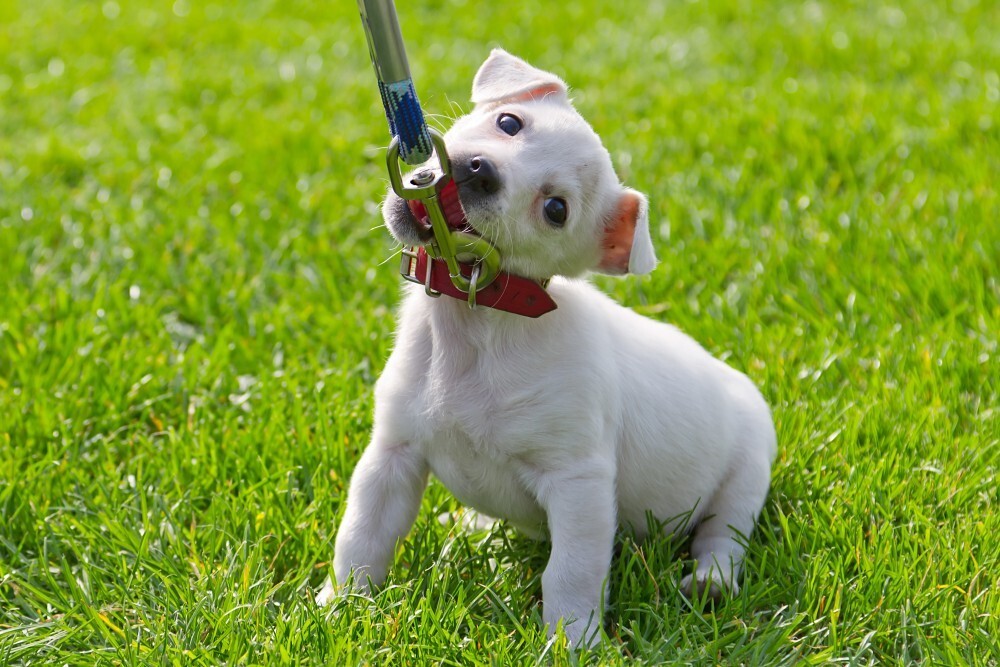
Enrichment and play are crucial components of successful puppy leash training. They provide a positive outlet for energy, preventing boredom and frustration, and fostering a strong bond between you and your furry friend. These activities also build confidence and resilience, which are vital for a puppy to navigate the challenges of leash training. Engaging activities contribute to a more enjoyable learning experience for both the puppy and the handler.Engaging in interactive games and providing enriching activities is just as important as the leash training itself.
A tired and stimulated puppy is a focused and cooperative puppy. This approach strengthens the positive association with training and makes the entire process more enjoyable.
Interactive Games for Leash Training
Interactive games are crucial for mental stimulation and prevent boredom, which can manifest as disruptive behaviours during training. These activities not only provide entertainment but also enhance focus and engagement during training sessions. This approach helps the puppy associate positive experiences with the training process.
- Puzzle Toys and Treat Dispensing Toys: These toys challenge the puppy’s problem-solving skills and encourage focused attention. A puppy engaging with these toys is less likely to exhibit unwanted behaviours like pulling on the leash or getting distracted by other stimuli. Providing a variety of puzzle toys keeps the puppy engaged and prevents boredom. This mental stimulation also helps burn off energy and contributes to a calm and focused demeanor.
- Hide-and-Seek Games: Hide treats or toys around the training area. This game helps stimulate the puppy’s hunting instincts in a controlled environment. It encourages the puppy to explore and use its senses. The positive reinforcement of finding the hidden items reinforces the desired behaviours.
- Fetch and Tug-of-War: These games are excellent for building physical and mental engagement. However, these should be used in conjunction with leash training and should not replace the training sessions themselves. Careful supervision is crucial to ensure the games are constructive and do not contribute to pulling on the leash. Tug-of-war should be conducted using a soft toy and with gentle encouragement to prevent excessive force.
- Scent Work: Hiding treats or toys with a distinct scent and having the puppy track them helps stimulate the puppy’s sense of smell. This can be combined with leash training to help maintain focus and attention. Scent work is a fantastic way to burn off energy and keep the puppy engaged during training.
Importance of Mental Stimulation
Mental stimulation is essential for a puppy’s well-being. A bored puppy is more likely to exhibit unwanted behaviours, such as pulling on the leash, chewing, or barking. Mental stimulation helps channel energy constructively, preventing destructive behaviours.
Preventing Boredom and Frustration
Boredom and frustration can significantly impact leash training. A puppy experiencing either of these will be less receptive to training and may exhibit unwanted behaviours. It is essential to maintain a consistent training routine, while also providing a variety of engaging activities.
Interactive Games and Activities
| Activity | Description | Benefits |
|---|---|---|
| Puzzle Toys | Toys that require the puppy to manipulate them to access treats. | Stimulates problem-solving skills, reduces boredom. |
| Hide-and-Seek | Hiding treats or toys for the puppy to find. | Encourages exploration, enhances focus, promotes engagement. |
| Fetch | Throwing a toy for the puppy to retrieve. | Builds physical activity, fosters a bond with the handler. |
| Tug-of-War | Gentle tug-of-war with a soft toy. | Enhances bonding, provides physical engagement, builds social skills. |
| Scent Work | Hiding treats or toys with a distinct scent for the puppy to track. | Stimulates sense of smell, improves focus, enhances engagement. |
Closing Summary
In conclusion, leash training a puppy requires patience, consistency, and a positive approach. By following the steps Artikeld in this guide, you can equip your puppy with the skills to navigate walks with confidence and grace. Remember, a well-trained puppy is a happy puppy, and a happy puppy makes for a happy owner. By addressing potential challenges proactively and maintaining a positive training routine, you’ll cultivate a strong bond and a lifetime of enjoyable walks.