Raising children and pets can be a rewarding experience, and involving children in pet training offers numerous benefits for both. This guide provides a comprehensive approach to safely and effectively integrating children into the pet training process, emphasizing a positive and supportive environment. By understanding age-appropriate activities, safety considerations, and positive reinforcement techniques, families can foster a strong bond between children and pets while teaching valuable life skills.
From introducing basic commands like “sit” and “stay” to managing common pet behaviors, this guide covers all the essential aspects of involving kids in pet training. It delves into crucial safety measures, explores age-specific training activities, and provides practical strategies for building a strong and positive relationship between children and their animal companions.
Introduction to Pet Training with Kids
Involving children in pet training offers numerous benefits, fostering responsibility, patience, and a deeper connection between children and their animal companions. This shared experience can significantly contribute to a child’s emotional development and understanding of animal care. A well-structured training program can also enhance a child’s problem-solving skills and teach valuable life lessons about discipline and consistency.A positive and safe environment is paramount during training sessions.
This involves clear communication between the child and the pet, as well as between the child and the adult supervising the training. Maintaining a calm and reassuring demeanor throughout the process is crucial for both the child and the pet. Consistent expectations and positive reinforcement are essential for establishing good habits and avoiding frustration for everyone involved.
Benefits of Including Children in Pet Training
Children can benefit greatly from participating in pet training, developing crucial life skills while enjoying a rewarding experience. Training a pet together provides opportunities for bonding and shared responsibility, which helps children understand the importance of care and patience. Furthermore, it cultivates a deeper understanding of animal behavior, promoting empathy and respect for living creatures.
Creating a Positive and Safe Training Environment
A positive and safe environment is essential for effective pet training. This involves establishing clear communication channels between the child, pet, and supervising adult. The environment should be free from distractions and encourage a calm and focused atmosphere. Positive reinforcement techniques, like praise and treats, should be consistently applied to motivate both the child and the pet.
Avoiding punishment or harsh corrections is crucial for maintaining a positive learning experience for everyone.
Importance of Clear Communication and Consistent Expectations
Clear communication is fundamental to successful pet training. This involves using simple, clear language that children understand and using consistent commands and cues for the pet. Consistent expectations ensure the child and pet understand the desired behaviors and reinforces the training process. This also helps avoid confusion and ensures the child and pet are both on the same page.
Engaging Children in Different Stages of Pet Training
Children can be effectively engaged in all stages of pet training, from initial socialization to advanced commands. For younger children, simple tasks like rewarding good behavior with praise or treats can be incorporated. Older children can assist with more complex tasks like leash training or basic obedience commands, under adult supervision. The key is to tailor the tasks to the child’s age and ability, ensuring a rewarding and achievable experience.
- Early Stages (Socialization): Children can help with introducing the pet to new environments, people, and other animals. This process fosters the pet’s comfort and adaptability.
- Basic Obedience Training: Children can be involved in rewarding desired behaviors like sit, stay, or come, ensuring they understand the command and its execution.
- Advanced Commands: Older children, under adult supervision, can practice more intricate commands like fetch or tricks, further developing their understanding of animal interaction.
Age-Appropriate Training Activities
The following table Artikels suitable training activities for different age groups, focusing on the child’s developmental stage and understanding.
| Age Group | Appropriate Training Activities |
|---|---|
| Preschool (3-5 years) | Simple commands (sit, stay), positive reinforcement (praise, treats), introducing the pet to new environments, observing pet behavior. |
| Elementary School (6-10 years) | Basic obedience commands (sit, stay, come), leash training, simple tricks, understanding animal body language, practicing consistency. |
| Tweens/Teens (11-18 years) | Advanced obedience commands, complex tricks, understanding pet motivation, leading training sessions (with supervision), assisting with pet care. |
Age-Appropriate Training Activities
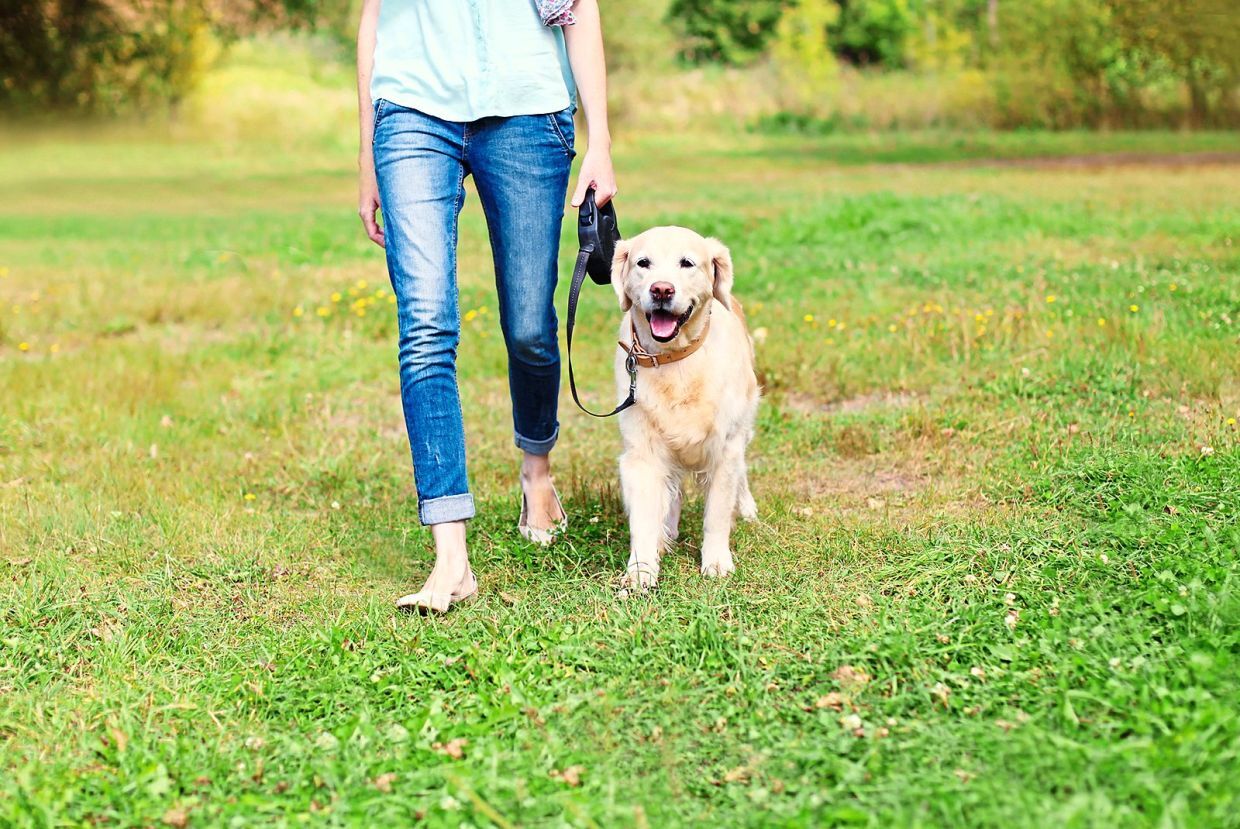
Encouraging children to participate in pet training is a rewarding experience for both the child and the animal. However, the approach must be tailored to the child’s developmental stage to ensure both safety and effectiveness. Understanding the different cognitive and physical capabilities of various age groups is crucial for crafting a positive learning environment.
Preschool Age Training
Preschoolers (ages 3-5) are at a stage of rapid development, learning through play and imitation. Training sessions should be short, engaging, and focused on positive reinforcement. The goal is to introduce basic commands and establish a positive association with the pet. Children at this age often have short attention spans, so keeping the activities fun and interactive is essential.
- Focus on simple commands: Introduce commands like “sit” and “stay” using playful repetition and visual cues. Avoid complex instructions, as these can overwhelm a preschooler.
- Positive reinforcement: Use praise, treats, and toys to reward desired behaviors. Keep rewards small and frequent to maintain engagement.
- Play-based activities: Use games like hide-and-seek with the pet to reinforce recall or “come.” This makes the training experience enjoyable and less structured.
- Modeling and imitation: Demonstrate the desired behavior for the pet, and encourage the child to imitate it. This approach helps them understand the task and promotes their participation.
Elementary Age Training
Elementary school children (ages 6-12) possess greater attention spans and cognitive abilities than preschoolers. They can understand more complex instructions and participate more actively in the training process. Building on the foundation established earlier, introducing new commands and reinforcing previously learned ones is important.
- Introduce new commands: Gradually introduce commands like “down,” “leave it,” and “shake.” Explain the meaning of each command clearly and provide multiple repetitions.
- Training duration: Training sessions can be slightly longer, lasting up to 15-20 minutes. Break down the training into shorter segments to maintain focus.
- Responsibility and accountability: Encourage the child to take ownership of the training process. This might involve choosing rewards or recording progress.
- Problem-solving: Engage the child in problem-solving exercises. For example, encourage them to figure out how to get the pet to perform a command when faced with distractions.
Adolescent Age Training
Adolescents (ages 13-18) are capable of understanding and applying more sophisticated training techniques. This age group can handle longer training sessions and more complex commands. Training should focus on developing leadership skills and responsibility towards the pet.
- Advanced commands: Introduce more challenging commands like “fetch” and “roll over.” Focus on the pet’s response and how it relates to the command.
- Training as a team: Involve adolescents in training strategy development. This helps them understand the pet’s perspective and improve their leadership skills.
- Problem-solving and critical thinking: Encourage the adolescent to identify and address issues in the training process. This helps develop critical thinking skills and problem-solving approaches.
- Reward systems: Adolescents may appreciate more complex reward systems, such as privileges or outings related to successful training sessions.
Age-Specific Training Activities and Expected Outcomes
| Age Group | Activities | Expected Outcomes |
|---|---|---|
| Preschool | Simple commands (“sit,” “stay”), play-based activities, positive reinforcement | Positive association with the pet, basic obedience, enjoyment of training |
| Elementary | Introduction of new commands (“down,” “leave it”), longer sessions, responsibility | Improved obedience, increased understanding of commands, responsibility and accountability |
| Adolescent | Advanced commands (“fetch,” “roll over”), team-based training, problem-solving | Development of leadership skills, enhanced understanding of pet training, deeper bond with the pet |
Introducing Simple Commands (“Sit” and “Stay”)
Introducing commands like “sit” and “stay” should be done in a fun and positive manner. Start by associating the command with a specific action. For example, when the pet sits, say “sit” and reward the behavior immediately. Consistency is key, and using visual cues (like pointing) alongside verbal commands can be helpful.
Reward Systems
Reward systems should be tailored to the age group. Preschoolers respond well to small, frequent treats and praise. Elementary-aged children might enjoy stickers or small toys as rewards. Adolescents may prefer privileges or special time with the pet. The key is to keep the reward system engaging and motivating.
Safety Considerations for Children and Pets
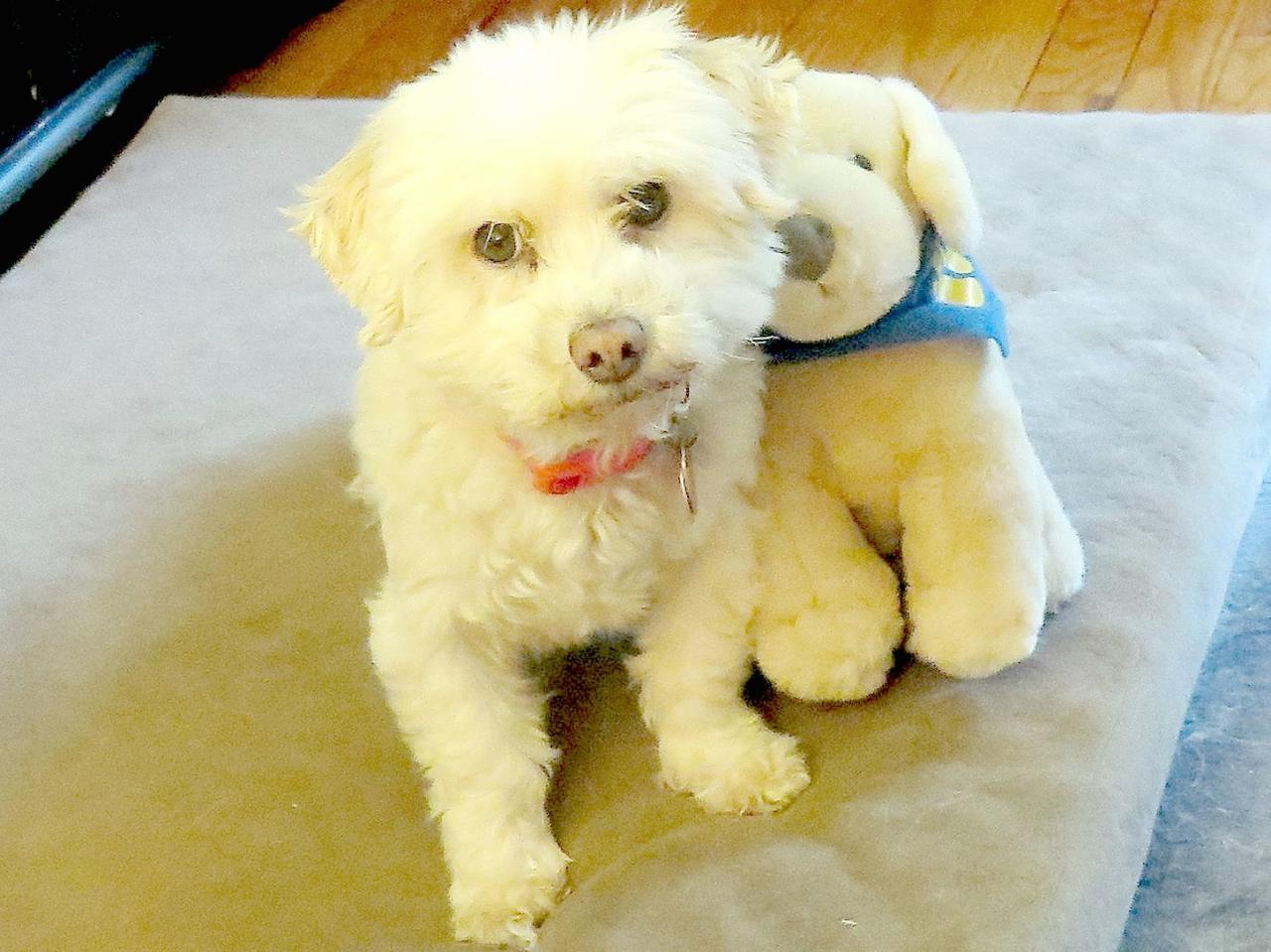
Involving children in pet training can be a rewarding experience, fostering a bond between children and animals. However, safety must be paramount. Proper precautions can prevent accidents and ensure a positive experience for everyone. Understanding potential risks and implementing safety measures are crucial for successful and safe training sessions.Careful planning and preparation are essential for minimizing risks and maximizing the benefits of training sessions.
This includes anticipating potential hazards and implementing strategies to mitigate them. A proactive approach to safety is vital for a harmonious learning environment for both children and pets.
Potential Risks Associated with Pet Training
Children and pets can react unpredictably during training. Children might accidentally mishandle pets or pets might become stressed or aggressive. Misunderstandings or misinterpretations of cues can lead to confusion or frustration. Lack of supervision or inadequate training methods can also lead to dangerous situations. Unfamiliarity with pet body language can result in unintended consequences, and insufficient control over a child’s actions during training can pose a risk.
Importance of Supervision and Adult Guidance
Constant supervision by a responsible adult is critical during all training sessions. Adults should ensure children understand and follow training protocols, and remain vigilant for any signs of stress or discomfort in both the child and the pet. An adult can mediate conflicts and ensure everyone remains safe and focused on the training objectives. Their presence helps prevent accidents, mishaps, or misunderstandings.
This active supervision can be the difference between a positive and a negative experience for everyone involved.
Ensuring a Safe Environment for Children and Pets
Creating a safe environment for both children and pets is essential. This involves removing potential hazards from the training area, such as small objects that could be swallowed or sharp items that could cause injury. A designated training area free of distractions will help maintain focus and safety. It is important to be aware of the pet’s body language and signals of discomfort.
Children should be taught to respect the pet’s space and needs.
Potential Hazards and Safety Precautions
| Potential Hazard | Safety Precautions |
|---|---|
| Pet aggression or fear | Always supervise interactions. Use positive reinforcement techniques. Ensure the pet has a safe space to retreat to. |
| Children mishandling the pet | Teach children appropriate handling techniques. Explain the importance of gentle touch. Reinforce clear boundaries regarding handling pets. |
| Training area hazards (e.g., loose cords, small objects) | Clear the training area of any potential hazards. Secure loose cords. Place small objects out of reach. |
| Pet injury (e.g., accidental falls, bumps) | Ensure a smooth and stable training environment. Avoid sudden movements or loud noises. Supervise closely during activities involving jumping or running. |
| Lack of understanding of pet body language | Educate children and adults on recognizing signs of stress or discomfort in pets. Use clear, positive verbal cues. |
Comparing Safety Methods
Various methods exist to prevent accidents or mishaps. Positive reinforcement, for instance, encourages desired behaviours while avoiding punishment, which can increase stress and fear in both the pet and child. A calm and consistent approach to training fosters trust and cooperation. Clear communication and consistent cues, for example, create a predictable environment, reducing confusion. By teaching children appropriate handling techniques and respecting the pet’s space, one can promote a positive interaction and learning experience.
Positive Reinforcement Techniques for Kids
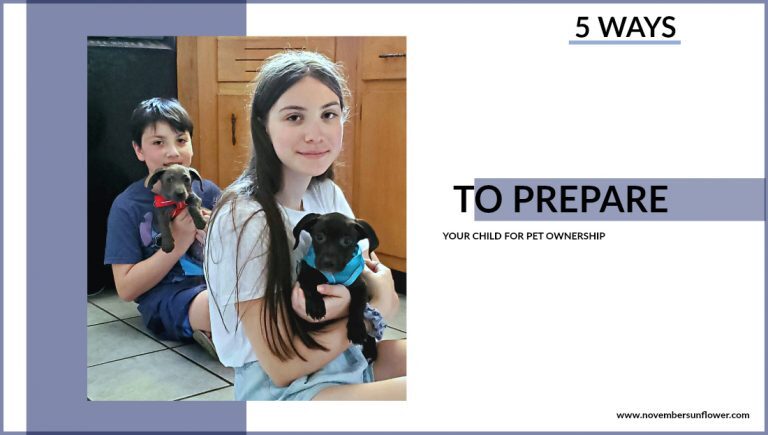
Positive reinforcement is a powerful tool for teaching both children and pets. It focuses on rewarding desired behaviors rather than punishing unwanted ones. This approach fosters a positive learning environment, building trust and cooperation between children and animals. This method is especially effective with children, as it encourages a sense of accomplishment and pride in their ability to train their pets.Using positive reinforcement with children involves understanding their developmental stage and tailoring the rewards and praise to their interests.
Patience and consistency are key elements to ensure long-term success. Avoiding punishment or negative reinforcement is crucial for maintaining a positive and encouraging learning atmosphere. This will help the child build a strong bond with their pet, making training a rewarding experience for everyone.
Rewards and Praise Strategies
Effective rewards and praise strategies are tailored to the child’s age and interests. For younger children, tangible rewards like stickers, small toys, or treats are often highly motivating. Older children may respond better to verbal praise, recognition for effort, or the opportunity to participate in a fun activity with their pet. Consistency in the type of reward is important for establishing clear expectations.For example, a sticker chart for completing training tasks can be very motivating for younger children.
Older children might enjoy a special treat, like a trip to the park, or a game after successfully training a new command. It’s crucial to involve the child in selecting the rewards to make them more engaged and enthusiastic about the training process. When rewarding pets, treats, praise, or petting are common methods.
Consistency and Patience
Consistency in applying positive reinforcement techniques is vital for the success of training. Irregular or inconsistent rewards can confuse both the child and the pet, hindering the learning process. Similarly, patience is essential. Learning takes time and repetition. It is crucial to avoid getting frustrated if progress seems slow.
Children and pets learn at different paces, and consistent effort will ultimately yield positive results. Celebrating small victories along the way can reinforce positive behaviors.
Avoiding Punishment or Negative Reinforcement
Punishment or negative reinforcement methods can create fear and anxiety in both children and pets, damaging the learning experience and the bond between them. Instead of focusing on what not to do, concentrate on rewarding desired actions. This proactive approach encourages cooperation and a positive attitude towards training. If a behavior is undesirable, redirect the child’s attention to a more appropriate activity.
This can be done by offering a fun activity to take the child’s attention away from the undesired behavior. For example, a child tugging on a leash should be redirected to playing a game that involves a similar type of action with a toy.
Positive Reinforcement Techniques
| Technique | Description | Example |
|---|---|---|
| Verbal Praise | Encouraging words and positive feedback. | “Good job!” “You’re doing great!” |
| Treat Rewards | Providing small, tasty treats for desired actions. | Giving a dog biscuit for sitting. |
| Toys and Play | Using toys or games to reward desired behaviors. | Playing fetch after a successful command. |
| Attention and Affection | Giving pets and children attention for good behavior. | Petting a dog after a well-executed command. |
| Special Privileges | Offering a special privilege after completing training tasks. | Allowing a child to play a video game after training sessions. |
Handling Pet Behaviors with Children
Teaching children how to interact safely and positively with pets is crucial for fostering a harmonious relationship between humans and animals. A well-structured approach to pet training involving children can prevent potential conflicts and ensure the safety of both. This includes understanding common pet behaviors and teaching children appropriate responses.A child’s interaction with a pet is a dynamic process, requiring understanding and consideration for both the child’s and the pet’s needs.
Learning to recognize and respond to cues, both verbal and nonverbal, is essential for successful interaction. A positive reinforcement system encourages good behaviors while discouraging unwanted ones. A key element is the creation of a safe environment where both children and pets can thrive.
Common Pet Behaviors and Safe Responses
Understanding common pet behaviors is the first step in teaching children how to interact with them appropriately. Recognizing signals of comfort, playfulness, or discomfort is crucial. Misinterpreting these signals can lead to unwanted situations.
- Playful Behaviors: A playful dog might jump, nip, or bark excitedly. Children should be taught to recognize these as signs of play, not aggression. Encouraging gentle interactions, like calm petting or toys, can channel this energy positively. Avoid rough play or sudden movements that might startle the pet.
- Fearful or Defensive Behaviors: A cat might hiss, arch its back, or run away when feeling threatened. Children should be taught to respect these signals and give the pet space. Never force interaction with a fearful animal.
- Aggression: While aggression is less common in well-socialized pets, children should know how to react to signs of aggression. These may include growls, snapping, or lunging. The most important response is to calmly remove themselves and the pet from the situation, seeking adult help if needed.
- Separation Anxiety: A dog might bark or whine excessively when left alone. Children should understand this is a sign of anxiety and not intentional misbehavior. Teaching the pet appropriate coping mechanisms, like chew toys or calming music, can help.
Teaching Children to Recognize and Respond to Cues
Children need to learn how to interpret both verbal and nonverbal cues from their pets. This includes recognizing body language, vocalizations, and even subtle changes in behavior.
- Body Language: A dog’s tail wagging can indicate excitement or happiness. A lowered head or ears pinned back might indicate fear or aggression. Children need to be taught to understand these subtle cues. A visual guide or chart can help.
- Vocalizations: A dog’s bark can have various meanings. Children need to learn to distinguish between playful barks, warning barks, and other vocalizations. Consistent communication about the meaning of each sound is vital.
- Changes in Behavior: If a pet suddenly stops playing or becomes withdrawn, it’s important for children to understand this as a signal to give the pet space. Sudden changes in behavior often signal discomfort or anxiety.
Handling Pet Excitement or Aggression Safely
Children should learn appropriate ways to manage pet excitement and aggression. This is crucial for maintaining a safe and positive environment.
- Redirecting Excitement: When a pet gets overly excited, children should be taught to redirect the energy to appropriate activities, like playing with toys or going for a walk. This helps prevent the pet from getting overwhelmed or overstimulated.
- Responding to Aggression: If a pet displays signs of aggression, the child should immediately back away and seek an adult’s help. Never try to restrain or confront the animal.
Managing Conflicts and Preventing Unwanted Behaviors
Addressing potential conflicts proactively and reinforcing positive interactions is vital. Consistent routines and clear boundaries can prevent many problems.
- Preventing Conflicts: Children should understand that pets need space and time to relax. Encouraging quiet playtime or supervised interactions can reduce potential conflicts.
- Reinforcing Positive Behaviors: Positive reinforcement techniques, such as rewarding calm interactions, can encourage desirable behaviors. This creates a positive association with good interactions. Using treats or praise for appropriate behavior can be highly effective.
Training Tools and Resources for Kids
Equipping children with the right tools and resources is crucial for fostering a positive and safe learning experience for both children and pets. This section details suitable training tools, their safe usage, and valuable learning resources to enhance the training process. By providing age-appropriate tools and clear guidance, we can empower children to effectively interact with their pets while minimizing potential risks.
Appropriate Training Tools for Children
Children often benefit from tools that are both engaging and easy to use. These tools can range from simple treats and toys to more advanced clickers and harnesses. Selecting tools that align with the child’s developmental stage and the pet’s temperament is vital for successful training. Tools should be lightweight, durable, and easy to grip for young children.
- Treats: Small, easily digestible treats are essential for rewarding desired behaviors. Variety is key; different shapes, sizes, and flavors can cater to different palates. Consider using high-value treats like small pieces of cooked chicken or cheese for more enthusiastic responses.
- Clickers: Clickers are a powerful tool for marking desired behaviors. The consistent sound reinforces the association between the action and the reward. Clickers are particularly helpful for teaching complex commands and for shaping behaviors.
- Leashes and Harnesses: Choosing leashes and harnesses appropriate for both the child’s size and the pet’s size and breed is crucial. Ensure the leash is lightweight and strong enough to handle the activity. A harness distributes pressure more evenly than a collar, which is especially important for smaller or less-trained pets. Consider padded leashes and harnesses for added comfort to both the pet and the child.
- Toys: Interactive toys can be instrumental in training, especially for engaging in play and rewarding desired behaviors. Toys can also be used to encourage specific actions, like fetching.
Safe Use of Training Tools
Proper handling of training tools is critical for both the child and the pet’s safety. Supervision is essential, particularly when using leashes, harnesses, or tools requiring physical handling.
- Treat Safety: Ensure treats are small enough to avoid choking hazards for both children and pets. Never give pets human food as treats unless specifically advised by a veterinarian. Monitor the pet closely while giving treats, particularly if they have swallowing issues.
- Leash Handling: Children should be taught how to hold the leash securely and how to maintain control of the pet without pulling or jerking. Teach children to keep the leash out of their face or neck. Never leave a child unattended with a pet on a leash.
- Harness Use: Explain to children the importance of placing the harness correctly and ensuring it’s snug but not too tight. Show them how to adjust the straps to maintain a secure fit. Avoid using a harness on a pet if it’s not comfortable.
- Clicker Use: Demonstrate the proper technique of clicking immediately after a desired behavior and then rewarding the pet with a treat. Encourage children to click consistently to maintain consistency in training.
Resources for Further Learning
Numerous books, websites, and videos offer valuable insights into pet training. These resources provide diverse perspectives and techniques, enriching the learning experience.
- Books: “The Art of Raising a Puppy” by Dr. Sophia Yin and “Dog Training for Dummies” by Kenneth W. Martin are excellent resources for learning about dog training principles.
- Websites: The American Kennel Club (AKC) website provides comprehensive information on dog training, including age-appropriate activities and tools. Websites dedicated to positive reinforcement training offer valuable tips and tricks for training both dogs and cats.
- Videos: YouTube channels specializing in pet training offer visual demonstrations of various techniques, including training tools and their application. These videos can be particularly helpful for visual learners.
Comparison of Training Tools
This table compares various training tools based on effectiveness and safety.
| Training Tool | Effectiveness | Safety Considerations |
|---|---|---|
| Treats | High; highly motivating for most pets | Small size to avoid choking; supervise use |
| Clicker | High; precise marking of desired behaviors | Easy to use, minimal risk to pet |
| Leash | Moderate; provides control during walks | Proper handling to avoid pulling and jerking; supervise use |
| Harness | High; distributes pressure, reduces pulling | Proper fit to avoid discomfort; supervise use |
| Toys | Variable; depends on the toy’s design | Supervise play; avoid choking hazards |
Key Points for Choosing Training Equipment
Careful consideration of these points ensures safe and effective training for both children and pets.
- Age Appropriateness: Select tools that are easy for the child to use and understand, considering their developmental stage.
- Pet’s Temperament: Choose tools that align with the pet’s temperament and breed. For example, avoid harsh tools for shy or fearful pets.
- Durability and Safety: Prioritize tools that are sturdy and resistant to damage. Always prioritize the safety of both the child and the pet.
- Child’s Comfort: Ensure the tools are comfortable for the child to use for extended periods.
Addressing Challenges in Pet Training
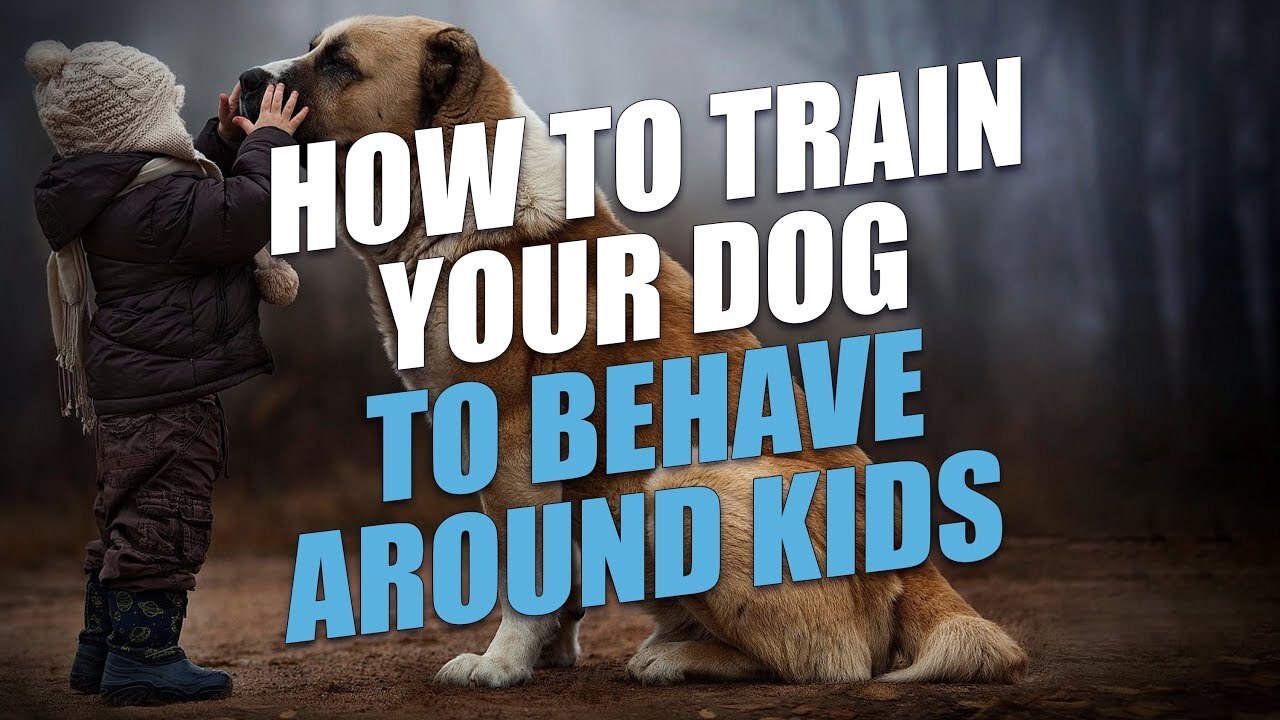
Successfully training a pet, especially with a child involved, often involves navigating unexpected challenges. Understanding potential roadblocks and developing proactive strategies for addressing them is crucial for a positive and rewarding experience for both the pet and the child. Consistent, patient, and adaptable approaches are key to overcoming these hurdles.Successfully navigating these challenges requires a flexible training approach that accounts for both the pet’s individual needs and the child’s developmental stage.
Recognizing and addressing potential issues early can prevent them from escalating into more significant problems. Furthermore, building a strong foundation of positive reinforcement and clear communication between the child and the pet is essential for managing any difficulties that may arise.
Common Training Challenges with Children
Effective pet training with children often encounters specific challenges. Children may struggle with consistency, patience, or understanding the importance of gentle handling. Conversely, pets might react differently to a child’s presence or exhibit behaviors that are challenging for a child to manage. Misunderstandings about commands or a lack of clear communication can also hinder progress. Understanding these potential challenges is the first step in finding solutions.
Troubleshooting and Resolving Challenges
Addressing these challenges requires proactive strategies. Firstly, clear communication and expectations between the child and the pet owner are paramount. A consistent routine, including regular training sessions, helps instill good habits and reduces confusion. Secondly, breaking down complex tasks into smaller, achievable steps is crucial, especially for children. This approach allows for a more gradual learning process and fosters a sense of accomplishment.
Thirdly, adapting the training methods to the specific needs of the child and the pet is essential. This may involve adjusting the training environment, the tools used, or the techniques employed.
Addressing Misbehavior or Disobedience
When misbehavior or disobedience occurs, it’s important to remain calm and assess the situation. Avoid yelling or punishing the pet, as this can create fear and anxiety. Instead, identify the root cause of the behavior. Is the pet hungry, tired, or bored? Is the child not following instructions correctly?
Addressing the underlying cause, rather than simply reacting to the behavior, is key to finding a lasting solution. Positive reinforcement strategies, like rewarding desired behaviors, are often more effective than punishment.
Adjusting Training Plans
Training plans should be adaptable to the evolving needs of both the child and the pet. Consider the child’s age and developmental stage when designing activities. If a child is younger, simpler commands and shorter training sessions are more effective. If a child is older, more complex tasks and longer sessions can be introduced. Similarly, observe the pet’s responses and adjust the training accordingly.
If a pet is showing signs of stress or frustration, reduce the intensity of the training session or modify the methods. This flexibility ensures a positive and enriching experience for everyone involved.
Problem-Solving Techniques for Common Training Issues
| Training Issue | Possible Cause | Problem-Solving Technique |
|---|---|---|
| Child loses interest in training | Training is too long, not engaging enough, or child feels frustrated | Break down training into shorter sessions, use varied and interesting activities, provide positive reinforcement, adjust the difficulty to match the child’s skill level |
| Pet becomes anxious or stressed | Training environment is overwhelming, training methods are too harsh, or pet feels threatened | Reduce the intensity of training, create a calming environment, use positive reinforcement techniques, modify training methods to suit the pet’s needs |
| Pet ignores commands | Lack of clear communication, inconsistent training, or insufficient reward system | Use clear and concise commands, ensure consistency in training, use a reward system that motivates the pet, and increase the frequency of training sessions |
| Child misinterprets commands | Poor communication between the child and pet owner, insufficient repetition of commands, or unclear instructions | Reiterate commands clearly, provide visual cues, repeat instructions consistently, use positive reinforcement to encourage correct behavior, and adjust commands to be age-appropriate |
Building a Strong Bond Between Child and Pet
Cultivating a positive and lasting relationship between children and pets is crucial for the well-being of both. A strong bond fosters empathy, responsibility, and mutual respect, contributing significantly to a child’s emotional development and a pet’s overall happiness. This bond can also create lasting memories and shared experiences.Building a strong bond between a child and a pet is not just about having a pet; it’s about establishing a relationship built on mutual understanding, trust, and shared experiences.
This connection can provide children with invaluable lessons in empathy, responsibility, and respect for living creatures. It also helps to build a child’s self-esteem and confidence as they learn to care for and interact with another living being.
Importance of Positive Interactions
Positive interactions between children and pets are fundamental to developing a strong bond. Children learn valuable life lessons by interacting with animals, including patience, empathy, and responsibility. This can translate into better social skills and emotional intelligence. Consistent positive interactions create a safe and comfortable environment for both the child and the pet, which in turn strengthens the bond.
Promoting Empathy and Respect
Empathy and respect are essential components of a strong bond. Children need to understand that animals have feelings and needs, similar to humans. Encouraging children to observe and understand the pet’s cues—like body language, vocalizations, and behaviors—helps them develop empathy. For example, recognizing a dog’s tail wagging as a sign of happiness or a cat’s purring as a sign of contentment fosters a sense of understanding and connection.
Respect for animals is paramount in ensuring a healthy relationship.
Strategies for Fostering Mutual Understanding and Trust
Fostering mutual understanding and trust is achieved through consistent, positive interactions. Regular, age-appropriate interactions, like gentle petting, playing, and feeding, build trust and familiarity. Positive reinforcement, such as praise and rewards, reinforces desired behaviors and strengthens the bond. Consistency in interaction patterns helps animals understand the child’s actions and intentions, leading to greater trust and predictability. Allowing children to observe the pet’s natural behaviors in a safe environment can also promote understanding and respect.
Activities to Strengthen the Bond
Engaging in activities that encourage shared enjoyment and responsibility will strengthen the bond between the child and pet. These activities should be tailored to the child’s age and the pet’s temperament, ensuring safety and positive experiences.
- Shared Playtime: Games like fetch, tug-of-war (supervised), or simply playing together can be a great way for the child and pet to bond. This fosters mutual enjoyment and strengthens the bond through shared experiences. Tailor the activities to the pet’s energy level and breed traits.
- Training Sessions: Involving children in pet training, even in simple commands, can instill a sense of shared responsibility and pride in the child. The training process also fosters communication and strengthens the bond.
- Caregiving Tasks: Tasks such as feeding, walking, or brushing can foster a sense of shared responsibility. Supervising children during these tasks ensures their safety and helps develop a sense of care and responsibility. The tasks should be age-appropriate and supervised.
- Observational Activities: Watching the pet’s natural behaviors, such as grooming, sleeping, or playing, can help children develop empathy and understanding. Encourage observation and discuss what the pet is doing and why. For example, a child might learn about a dog’s need for rest by observing it sleep.
Activities for Shared Enjoyment and Responsibility
Shared enjoyment and responsibility are crucial for a strong bond. Activities that allow children to share the joy of pet ownership while learning responsibility are invaluable.
- Creating a designated pet area: This provides a space for the pet to feel comfortable and secure, contributing to a shared space and bonding.
- Creating a pet-themed scrapbook: This allows children to document their pet’s growth and milestones, promoting bonding and a shared history.
- Volunteering at an animal shelter: This provides children with opportunities to interact with animals in a controlled environment and build their empathy for animals, and it strengthens their bond with their own pet.
Closing Notes
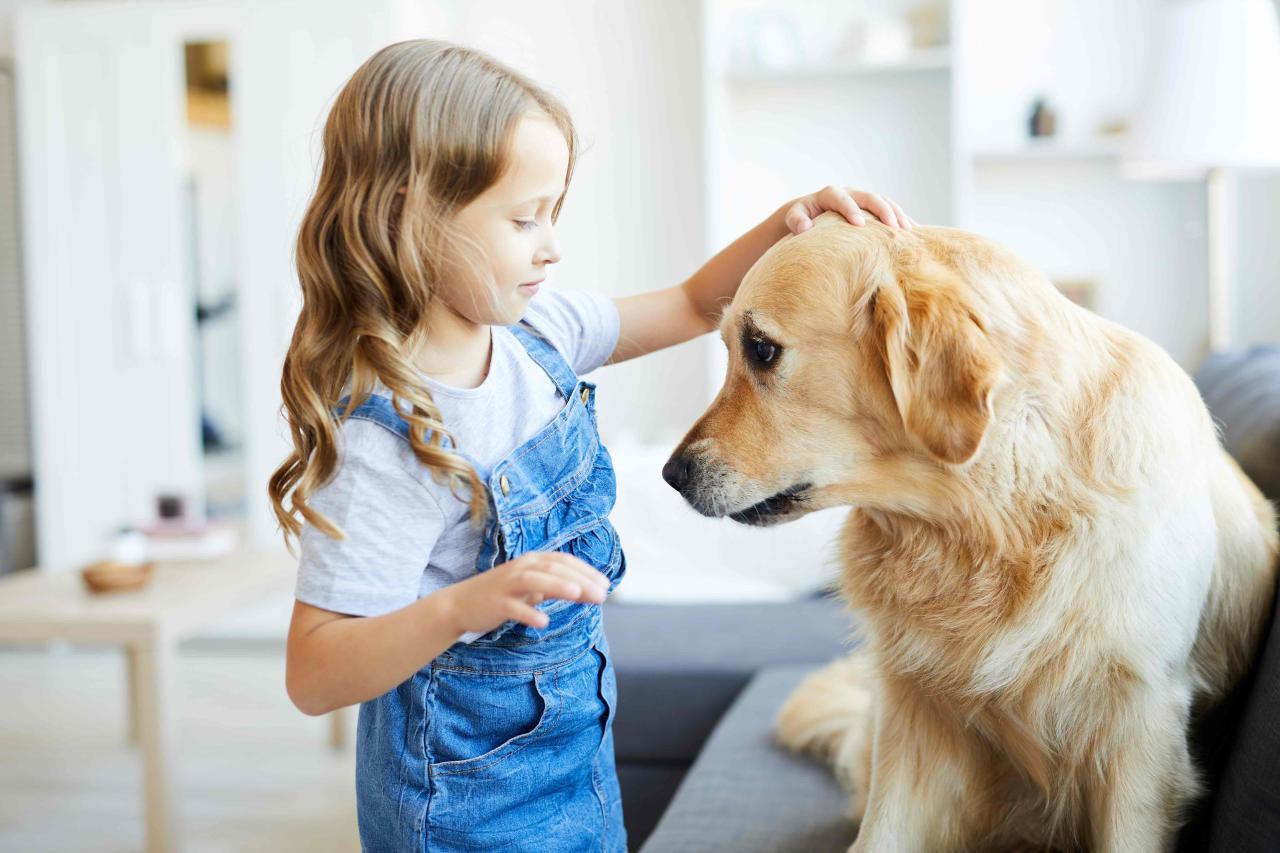
In conclusion, involving children in pet training can be a truly enriching experience, fostering responsibility, empathy, and a deep bond between humans and animals. By focusing on age-appropriate activities, prioritizing safety, and utilizing positive reinforcement techniques, families can create a positive learning environment for both children and pets. This guide offers a roadmap for successful training, empowering families to navigate the challenges and reap the rewards of this shared journey.