Welcoming a new adopted pet into your home is a joyous occasion, but establishing a routine is crucial for their well-being and a smooth transition. This comprehensive guide details how to create a tailored routine for your new companion, encompassing everything from feeding and sleep schedules to play, potty training, and handling unexpected events. Understanding their individual needs and adapting to their unique personalities is paramount to fostering a strong bond and ensuring a happy, healthy life for your new family member.
Creating a routine for your adopted pet is a multifaceted process, demanding careful consideration of their breed, age, and individual characteristics. This guide will help you navigate the initial adjustment period and establish a structured environment that promotes their physical and emotional well-being. From establishing consistent feeding and sleep patterns to integrating play and exercise, each section provides practical advice and helpful examples to guide you through this important process.
Introduction to Routine Creation
Establishing a predictable routine is crucial for the well-being of an adopted pet. A consistent daily schedule helps them adjust to their new environment and reduces stress associated with uncertainty. This predictability fosters a sense of security and comfort, enabling a smoother transition from their previous life to their new home. A routine also aids in establishing positive associations with their human companions, strengthening the bond between them.
Benefits of Routine for Adopted Pets
A structured routine provides numerous benefits for adopted pets. It is a key element in helping them acclimate to their new life and create a stable environment. Consistency in their daily activities helps them understand expectations and manage their behavior more effectively. Furthermore, a routine helps to mitigate stress and anxiety, crucial for a successful adoption.
| Benefit | Explanation |
|---|---|
| Reduced Stress and Anxiety | A predictable routine provides a sense of security and stability, lessening the anxiety associated with change and uncertainty. |
| Improved Behavior | Routine helps pets understand expectations and limits, leading to improved behavior patterns and reduced behavioral issues. For instance, a predictable feeding schedule helps avoid food-related aggression or anxieties. |
| Stronger Bond with Owners | Consistency in routine fosters predictability and reliability, strengthening the bond between the pet and their owners. Predictable interactions during routine activities reinforce positive associations and create a sense of trust. |
| Improved Physical Health | A consistent routine often includes regular exercise and feeding times, contributing to a healthier lifestyle for the adopted pet. This structure allows for the maintenance of appropriate eating habits and regular activity patterns. |
Creating a Routine
Creating a routine involves carefully considering your pet’s needs and personality. Observe your pet’s natural behaviors and preferences, noting their typical activity patterns. Begin with a simple routine, gradually introducing new elements as your pet adjusts. It is important to be flexible and adaptable, allowing for occasional adjustments based on your pet’s individual needs.
Important Considerations
Consistency is key to a successful routine. Maintaining a regular schedule for feeding, playtime, walks, and rest is crucial. This consistency helps your pet understand expectations and limits, which in turn, leads to improved behavior. Ensure the routine is tailored to your pet’s individual needs and personality. Consider factors like age, breed, and previous experiences when creating the routine.
Identifying Individual Needs
Creating a routine for a new adopted pet is a multifaceted process that goes beyond simply establishing feeding and playtime schedules. Understanding the unique needs of each animal, from breed-specific tendencies to age-related requirements, is crucial for fostering a healthy and happy environment. This section delves into the vital aspects of identifying individual needs, ensuring a smooth transition and a strong bond between you and your new companion.Recognizing and addressing individual needs, particularly those related to breed, age, and temperament, is paramount for a successful routine.
A tailored approach fosters a stronger relationship and enhances the overall well-being of your adopted pet.
Breed-Specific Routine Needs
Various breeds exhibit distinct behavioral and physical requirements. Understanding these differences allows for the creation of a routine that aligns with their inherent characteristics. For example, herding breeds like Border Collies require more mental stimulation than, say, a relaxed Bulldog. This stimulation can be achieved through interactive games, puzzle toys, or even frequent walks. Conversely, breeds prone to anxiety may benefit from a more predictable and consistent routine to minimize stress.
Age-Related Routine Needs
The age of your pet significantly impacts their routine requirements. Puppies and kittens require more frequent feeding, play, and rest periods due to their rapid growth and development. Senior pets, on the other hand, may have reduced energy levels and require adjustments in their activity schedule. Providing ample opportunities for rest and reduced physical exertion becomes essential.
Recognizing Stress and Anxiety
New pets may exhibit signs of stress or anxiety, which should be carefully observed. These signs can range from changes in appetite and sleep patterns to excessive panting, whining, or hiding. It is important to note that these behaviors can indicate underlying issues and require prompt attention. For instance, a sudden loss of appetite in a previously healthy pet could signal stress, prompting a thorough investigation.
Seeking veterinary advice when necessary is crucial.
Observing Natural Behaviors and Tendencies
Observing your pet’s natural behaviors and tendencies is vital. Paying close attention to their individual needs and preferences can reveal important insights for developing a suitable routine. For example, a dog that enjoys long walks may benefit from a routine that includes daily extended outings. Conversely, a cat that prefers quiet playtime may thrive with a routine that features shorter, less intense sessions of interactive play.
Young Puppy vs. Older Dog Routine Comparison
| Characteristic | Young Puppy | Older Dog |
|---|---|---|
| Feeding Schedule | More frequent, smaller portions due to rapid growth. | Less frequent, larger portions to account for decreased metabolism. |
| Exercise Needs | Frequent, short bursts of play and exercise to support development. | Moderate, shorter walks and less strenuous activities. |
| Rest Requirements | More frequent rest periods due to energy expenditure. | Longer rest periods, reduced activity levels. |
| Learning Capacity | High, requires consistent training and positive reinforcement. | Still receptive, but learning may be slower. |
This table highlights the key differences in routine requirements between a young puppy and an older dog. Recognizing these distinctions is crucial for ensuring their health and happiness.
Creating a Feeding Routine
Establishing a consistent feeding routine is crucial for a new pet’s well-being and helps in managing their digestive system and overall health. A predictable schedule allows the pet to develop healthy eating habits and anticipate mealtimes, minimizing stress and potential digestive issues. A proper routine also enables owners to monitor their pet’s appetite and identify any changes promptly.Feeding routines are tailored to individual needs and should be adjusted as the pet grows and their activity levels change.
Careful monitoring of the pet’s response to different feeding methods and food types is essential for long-term success.
Sample Feeding Schedules
A consistent feeding schedule, incorporating meal sizes and frequency, is vital for a pet’s health and well-being. It helps regulate their digestion, appetite, and overall health. The specific schedule should be adapted to the pet’s age, breed, activity level, and any underlying health conditions. A sample schedule, however, can provide a useful framework for getting started.
- Puppy (3-6 months): Small, frequent meals (3-4 times daily) are recommended to support rapid growth. Meal sizes should be adjusted based on the puppy’s appetite and body condition. A good rule of thumb is to offer food portions that the puppy can consume within 15-20 minutes.
- Adult Dog (1-7 years): Two meals a day (morning and evening) are typically sufficient. Meal sizes should be determined by the dog’s body condition score, breed, and activity level. Adjust portions based on whether the dog is overweight, underweight, or maintaining a healthy weight.
- Senior Dog (7+ years): Feeding schedules should be tailored to the senior dog’s energy levels and appetite. Frequent, smaller meals may be more beneficial, especially if the senior dog is less active. Monitor for any digestive issues and adjust the feeding schedule as needed.
Adjusting for Dietary Needs
Pets with specific dietary needs, such as allergies, sensitivities, or medical conditions, require specialized feeding routines. The dietary plan should be designed by a veterinarian or a veterinary nutritionist. They will consider factors like the pet’s breed, age, activity level, and underlying health conditions to provide a tailored dietary plan.
- Allergies: A veterinarian can identify specific allergens and recommend hypoallergenic food options. Transitioning to a new food should be done gradually to minimize digestive upset.
- Sensitivities: If a pet is sensitive to certain ingredients, a veterinary nutritionist can recommend appropriate food alternatives that address the sensitivity.
- Medical Conditions: Conditions like diabetes or kidney disease require a specific dietary management plan. Consult with a veterinarian to determine the necessary adjustments to the feeding routine.
Feeding Methods
Different feeding methods can be employed to meet the pet’s needs. The most suitable method will depend on the pet’s temperament, age, and activity level.
- Timed Meals: Feeding at specific times each day helps regulate the pet’s digestive system and promotes healthy eating habits. This method is often preferred for pets who tend to overeat or have issues with portion control.
- Free-Feeding: Free-feeding involves providing food at all times. This method is suitable for pets with stable appetites and no history of overeating. However, free-feeding can lead to weight gain if not carefully monitored.
Transitioning to New Food
Transitioning a pet to a new food should be done gradually to avoid digestive upset. Sudden changes in diet can cause diarrhea, vomiting, or other gastrointestinal issues.
- Gradual Introduction: Mix a small amount of the new food with the old food, gradually increasing the proportion of the new food over several days.
- Monitoring for Side Effects: Pay close attention to your pet’s digestive system during the transition period. If any signs of distress occur, reduce the amount of new food or return to the previous food.
Feeding Schedule Table
The table below provides a general guideline for feeding schedules, adjusting for age and activity levels. It is important to remember that these are just examples, and individual needs may vary.
| Pet Age | Activity Level | Feeding Schedule | Meal Size |
|---|---|---|---|
| Puppy (3-6 months) | High | 3-4 meals/day | Small |
| Adult Dog (1-7 years) | Moderate | 2 meals/day | Medium |
| Senior Dog (7+ years) | Low | 2-3 meals/day | Small |
Establishing a Sleep Routine
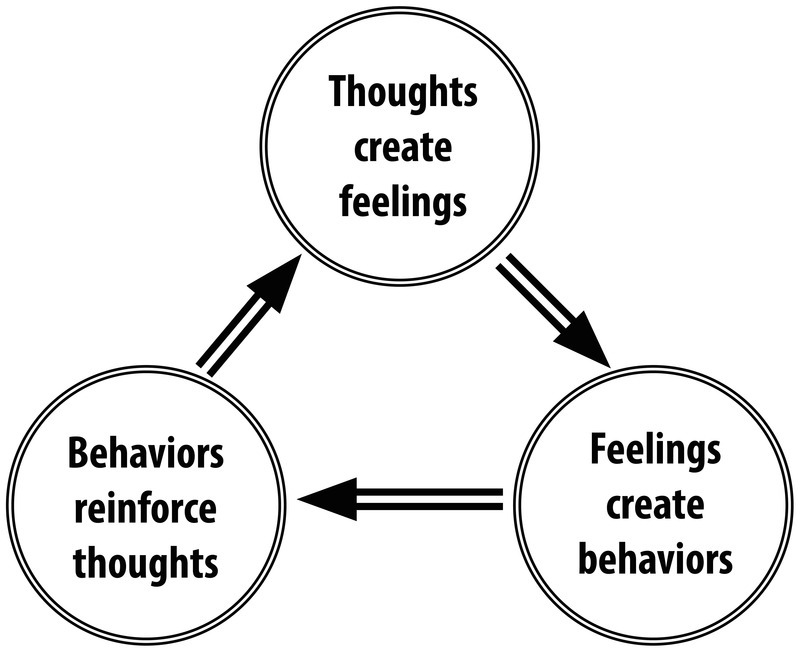
A consistent sleep routine is crucial for your adopted pet’s well-being, fostering a sense of security and predictability. A regular sleep schedule helps regulate their natural biological rhythms, impacting their mood, energy levels, and overall health. It also allows you to better understand and respond to their needs.A well-established sleep routine is not only beneficial for your pet but also contributes to a harmonious living environment for everyone in the household.
This routine provides structure, reduces anxiety, and fosters a stronger bond between you and your pet.
Sleep Schedules for Different Pets
Different animals have varying sleep needs based on their age and activity level. Puppies and kittens, for example, require more sleep than adult animals to support their growth and development. Adult pets, on the other hand, typically need less but still require a consistent schedule for optimal health.
Dedicated Sleep Area
Providing a dedicated sleep area is paramount to a successful sleep routine. This area should be a safe haven, free from distractions and disturbances. A cozy bed, a comfortable blanket, or even a den-like structure can create a comforting atmosphere. Consider the pet’s size and breed when choosing a bed or sleeping area. A larger bed for a large dog or cat, or a smaller, more enclosed space for a smaller animal, can significantly enhance comfort and security.
Calming Bedtime Routine
A calming bedtime routine can ease your pet into a relaxed state, signaling that it’s time to sleep. This could involve a quiet walk, gentle petting, a soothing massage, or listening to calming music. The key is to create a predictable sequence of events that your pet associates with sleep. Avoid stimulating activities or interactions just before bedtime.
These actions should be consistently practiced to help the pet anticipate sleep.
Creating a Quiet and Comfortable Sleep Environment
Creating a quiet and comfortable environment is crucial for restful sleep. Minimize noise and distractions in your pet’s sleeping area. Consider using white noise machines or calming sounds to mask outside noises. The environment should be free from drafts, ensuring warmth and comfort.
- Noise Reduction: Use white noise machines or calming music to mask external noises, ensuring a peaceful environment. White noise can effectively block out disruptive sounds, promoting a sense of calm.
- Temperature Regulation: Ensure your pet’s sleeping area is neither too hot nor too cold. Provide blankets or bedding for added comfort, particularly during colder months.
- Safety Measures: Keep potentially hazardous objects out of the sleep area, like electrical cords or poisonous plants. This prevents accidents and promotes a safe sleeping environment.
- Comfort and Security: Provide a comfortable bed or den-like structure suitable for your pet’s size and breed. Soft blankets or pillows can enhance comfort and security, creating a cozy retreat.
Example Sleep Routines
The following table provides illustrative sleep routines for different types of pets. Adjust these examples based on your pet’s individual needs and preferences.
| Pet Type | Age | Activity Level | Wake-up Time | Bedtime | Routine |
|---|---|---|---|---|---|
| Cat | Kitten (3 months) | High | 6:00 AM | 9:00 PM | Playtime, gentle petting, quiet time, bed |
| Cat | Adult (5 years) | Moderate | 7:00 AM | 10:00 PM | Playtime, food, brushing, quiet time, bed |
| Dog | Puppy (8 weeks) | Very High | 7:00 AM | 8:00 PM | Playtime, training, feeding, quiet playtime, bed |
| Dog | Adult (3 years) | Moderate | 8:00 AM | 10:00 PM | Walk, feeding, playtime, quiet walk, bed |
| Small Animal (Guinea Pig) | Adult (1 year) | Moderate | 8:00 AM | 7:00 PM | Feeding, playtime in cage, quiet time, bed |
Incorporating Play and Exercise
Establishing a well-rounded routine for your new adopted pet includes dedicated time for play and exercise. These activities are crucial for maintaining their physical and mental health, fostering a strong bond between you and your pet, and preventing behavioral issues. Consistent play sessions help to tire out your pet, reducing the likelihood of destructive behaviors, and encourage healthy development.Play and exercise are not just about fun; they’re vital for a pet’s overall well-being.
Regular physical activity helps maintain a healthy weight, strengthens muscles and joints, and promotes cardiovascular health. Mental stimulation through play is equally important, preventing boredom and promoting cognitive function.
Daily Play and Exercise Schedule Example
A sample daily schedule for a medium-energy adult dog might look like this:
- Morning (7:00 AM – 7:30 AM): A short, brisk walk of 15-20 minutes, followed by a 10-minute interactive play session using toys like a tug-of-war rope or puzzle toys.
- Afternoon (12:00 PM – 12:30 PM): A longer walk of 30-45 minutes, including sniffing and exploring opportunities in a safe and controlled environment. This helps stimulate their senses and satisfy their natural instincts.
- Evening (6:00 PM – 6:30 PM): A shorter play session focusing on calming games like fetch or a quiet cuddle session. This helps wind down the pet before bedtime.
This is a template; adjust the duration and intensity of activities based on your pet’s individual needs and preferences.
Importance of Regular Playtime
Regular playtime is essential for maintaining a pet’s physical and mental well-being. It provides opportunities for socialization, bonding, and stress reduction. Playtime also helps to satisfy a pet’s natural instincts, preventing boredom and potentially destructive behaviors. Without sufficient play and exercise, a pet may exhibit signs of anxiety, restlessness, or even aggression. Furthermore, physical activity strengthens the immune system and helps maintain a healthy weight, thus reducing the risk of various health issues.
Incorporating Different Types of Play and Exercise
A varied approach to play and exercise is crucial. This includes incorporating different types of activities to cater to your pet’s individual preferences and needs.
- Interactive Play: Engage in games like fetch, tug-of-war, or hide-and-seek with toys. These activities stimulate your pet mentally and physically.
- Outdoor Activities: Walks, runs, and trips to dog parks (if appropriate for your pet’s temperament) provide opportunities for exercise, socialization, and exploration. Always prioritize safety.
- Puzzle Toys: Puzzle toys that dispense treats challenge your pet’s problem-solving skills and promote mental stimulation. This can help keep them entertained for extended periods.
- Training Sessions: Training sessions are both fun and educational for your pet. They reinforce good behavior and provide mental stimulation. Short, frequent training sessions are often more effective than long ones.
Adjusting Play Time Based on Pet’s Age and Energy Levels
The duration and intensity of play sessions must be tailored to your pet’s age and energy levels. Puppies and young animals require shorter, more frequent play sessions, while older or less energetic animals may benefit from shorter, less strenuous activities.
Comparison of Play Activities for Different Pet Types and Ages
| Pet Type/Age | Suitable Play Activities | Considerations |
|---|---|---|
| Puppies (under 6 months) | Gentle games, short walks, interactive play with soft toys, training | Avoid strenuous activities; prioritize socialization and gentle play |
| Adult Dogs (1-7 years) | Fetch, walks, runs, training, puzzle toys, interactive play | Vary activities to maintain interest and prevent boredom |
| Senior Dogs (over 7 years) | Short walks, gentle play, puzzle toys, calming activities | Adjust intensity based on individual needs and mobility |
| Cats | Interactive toys, climbing structures, puzzle feeders, play sessions with wand toys | Cats are often independent, so playtime needs to be engaging but not overly demanding |
| Small Animals (e.g., rabbits, hamsters) | Appropriate chew toys, tunnels, running wheels, interactive play sessions (depending on the animal) | Playtime should be safe and appropriate for the specific animal’s size and needs |
Addressing Potty Training and Elimination

Establishing a consistent potty training routine is crucial for your adopted pet’s comfort and your household’s peace of mind. Proper training fosters a positive relationship and minimizes accidents. A well-structured routine tailored to your pet’s species and age will significantly contribute to their overall well-being and ease of integration into your home.A comprehensive approach to potty training goes beyond simply teaching your pet where to eliminate.
It involves understanding their natural behaviors, recognizing cues, and providing the appropriate environment and resources. This ensures that your pet feels secure and confident in their new surroundings, leading to a smoother transition and a more positive experience for everyone.
Sample Potty Training Routine for Puppies
A consistent schedule is key for puppies. Establish a regular feeding, playtime, and elimination schedule. Immediately after waking, after meals, and after play sessions, take your puppy outside to a designated potty area. Praise and reward them immediately when they eliminate in the correct spot. Use positive reinforcement techniques, such as treats or verbal praise.
Consistently repeating these steps helps your puppy associate the designated area with eliminating.
Sample Potty Training Routine for Kittens
Kittens are naturally inclined to use litter boxes. Provide a clean, accessible litter box in a quiet, easily accessible location. Place it near their food and water. Introduce the litter box immediately after they wake up and after meals. Clean the litter box daily.
Consistent access to a clean litter box encourages the desired behavior.
Establishing a Regular Potty Schedule
Creating a regular schedule, both for feeding and elimination, is essential. Feeding times, playtime, and walks should be scheduled consistently. Observe your pet’s behavior for cues such as restlessness or circling, which can indicate a need to eliminate. Taking your pet outside regularly, especially after waking up, eating, and playing, increases the likelihood of them eliminating in the designated area.
Common Mistakes to Avoid During Potty Training
Punishing your pet for accidents is detrimental. Punishment can cause fear and anxiety, hindering the training process. Clean up accidents thoroughly using enzymatic cleaners to eliminate odors. Do not scold or punish your pet. Always reward desired behavior.
Adjusting Potty Routines for Pets with Special Needs
Pets with special needs may require adjustments to their potty training routine. For example, pets with mobility issues might need more frequent trips outdoors or specialized equipment. Consult your veterinarian for personalized advice and support. Understanding your pet’s specific needs and limitations is critical for creating a suitable routine.
Table of Potty Training Schedules
| Species | Age | Frequency of Outdoor Trips | Frequency of Litter Box Checks (for Kittens) |
|---|---|---|---|
| Puppy (small breed) | 8-12 weeks | Every 2 hours | N/A |
| Puppy (large breed) | 8-12 weeks | Every 3-4 hours | N/A |
| Kitten | 8-12 weeks | N/A | Every 2-3 hours |
| Adult Dog | Adult | Every 4-6 hours | N/A |
| Adult Cat | Adult | N/A | As needed, but at least once a day |
Handling Unexpected Events
Establishing a consistent routine for your adopted pet is crucial for their well-being and predictability. However, life often throws curveballs in the form of holidays, travel, or unexpected medical issues. Successfully navigating these events requires proactive planning and a flexible approach to maintaining the core structure of the routine while accommodating the changes.Adapting routines for unexpected events is not about abandoning structure but rather about adapting it.
This approach ensures a smoother transition for your pet, minimizing stress and anxiety associated with change. A well-prepared plan, incorporating gradual adjustments and understanding your pet’s unique needs, will help your pet maintain their sense of security and comfort.
Adjusting Routines for Holidays
Holidays can disrupt a pet’s daily schedule, introducing unfamiliar sights, sounds, and smells. To minimize stress, gradually introduce holiday-related activities a few days in advance. For example, if you are decorating your home, let your pet sniff and explore the new decorations, keeping them contained in a safe area. Ensure your pet has access to familiar comfort items like their bed or toys.
Adjusting Routines for Travel
Travel requires a careful transition plan. Start by gradually exposing your pet to the carrier or travel bag a few days before the trip. Practice short trips in the car, rewarding calm behavior with treats and praise. Pack familiar items like blankets or toys to provide comfort and a sense of familiarity in a new environment.
Adjusting Routines for Emergencies
Emergencies necessitate swift action, but maintaining a semblance of routine can help reduce anxiety. Have a pre-prepared emergency kit containing your pet’s essential supplies, medications, and contact information. If possible, identify a trusted friend or family member to care for your pet in case of an emergency, and ensure they know your pet’s routine.
Adjusting Routines for Pets with Specific Medical Conditions
Pets with medical conditions may require modifications to their routine. Consult with your veterinarian to determine appropriate adjustments for feeding, exercise, and rest. Understand the importance of medication timing and follow the prescribed schedule meticulously. Maintain a supportive and predictable environment to help your pet manage their condition.
Gradual Adjustments to the Routine
Significant changes should be introduced gradually to minimize stress. Introduce new elements into your pet’s routine over several days or weeks, rather than abruptly. Observe your pet’s reactions and adjust the pace as needed. This gradual approach allows your pet to adapt to the changes without overwhelming them.
Strategies for Adjusting Routine During Unexpected Events
| Event | Preparation Strategy | Implementation Strategy |
|---|---|---|
| Holidays | Introduce holiday elements gradually. Maintain familiar routines and comfort items. | Maintain feeding and sleeping schedules as closely as possible. |
| Travel | Expose pet to carrier/bag in advance. Practice short car trips. Pack familiar items. | Provide familiar comforts and routine as much as possible. |
| Emergencies | Prepare an emergency kit with essential supplies. Identify a trusted caregiver. | Maintain calm demeanor. Provide familiar items. |
| Medical Conditions | Consult veterinarian for routine modifications. Understand medication timing. | Follow veterinarian’s instructions closely. Maintain a supportive environment. |
Tracking Progress and Adapting
Establishing a routine for a new adopted pet is a journey, not a destination. Understanding how to monitor your pet’s response and adapt your routine accordingly is crucial for a smooth transition and a happy, healthy companion. Patience and flexibility are paramount during this adjustment period, as each pet will react differently and at varying speeds.Monitoring your pet’s response to the new routine is essential to identify areas where adjustments are needed.
This includes not just their behavior, but also their physical well-being. By closely observing and documenting their progress, you can proactively address any potential issues and ensure their happiness and comfort.
Monitoring Pet Response
Regular observation of your pet’s behavior is key to assessing their progress. Pay close attention to their physical and emotional well-being. Are they showing signs of stress or anxiety, such as excessive panting, hiding, or vocalization? Are they exhibiting any behavioral changes, such as aggression, fearfulness, or decreased activity levels? Note these observations and correlate them with the specific elements of the routine.
Tracking these responses allows for early intervention and modification.
Identifying Signs of Improvement or Adjustment
Positive indicators of successful routine adaptation include a reduction in stress behaviors, an increase in engagement with the routine (like eating meals consistently, going to their designated sleep area, or participating in playtime), and a noticeable improvement in overall mood. Conversely, signs that adjustments are needed include persistent stress, resistance to the routine, or a deterioration in physical or mental well-being.
Understanding these signals is vital for timely and appropriate interventions.
Importance of Patience and Flexibility
Adjusting to a new routine is challenging for any pet, regardless of their background or age. It is crucial to remain patient and flexible. Every pet adapts at their own pace. Do not get discouraged if progress seems slow; celebrate even small victories along the way. Being patient allows for a positive and supportive environment that encourages your pet to thrive in their new home.
Flexibility involves adjusting the routine based on the pet’s needs and response, rather than rigidly sticking to a predetermined schedule.
Adapting the Routine Based on Progress
Adapting the routine should be a continuous process, based on the pet’s response. If your pet is struggling with a particular aspect of the routine, such as mealtimes, try altering the feeding schedule or the location. If playtime is causing excessive stress, shorten the duration or change the type of activity. If sleep disturbances persist, consider adjusting the sleep area or the timing of the routine.
This proactive approach ensures a gradual and positive adjustment.
Progress Chart for Routine Adjustment
| Day | Observed Behavior | Routine Adjustment (if any) | Progress Notes |
|---|---|---|---|
| 1-3 | Anxious, hiding frequently | Reduce initial playtime duration, increase feeding frequency | Shows signs of anxiety, will need more time to adapt |
| 4-7 | Eating regularly, sleeping more consistently | Maintain current routine | Improved eating and sleeping habits; positive progress |
| 8-14 | Playing enthusiastically, participating in training | Increase playtime duration, introduce new training commands | Engaging in activities, improving socialization |
| 15-21 | Calm and relaxed, fully participating in routine | Maintain routine, reinforce positive behaviors | Successfully integrated into the routine |
Outcome Summary

In conclusion, creating a routine for your new adopted pet is a vital step in ensuring their comfort and happiness. By carefully considering their individual needs, establishing consistent schedules, and adapting to unexpected events, you can facilitate a positive transition and nurture a strong, loving relationship. This guide provides a framework for creating a routine that is tailored to your pet’s unique personality and needs, ultimately fostering a harmonious home environment.