Establishing a successful animal rescue requires meticulous planning and a robust training program. This guide provides a structured approach to assessing the specific training needs of a new rescue, ensuring personnel are adequately equipped to handle the diverse challenges and responsibilities.
The process begins by understanding the rescue’s unique mission, target animals, and the services offered. Analyzing skill gaps between current staff and best practices, and evaluating available resources are critical. A thorough understanding of learning styles allows for the development of effective training programs tailored to individual needs. Finally, implementing a robust evaluation system ensures the program’s effectiveness and drives continuous improvement.
Defining Rescue Needs

A new animal rescue organization requires a clear understanding of its mission, target audience, and the scope of services it intends to provide. This crucial initial step helps shape the training and resources necessary to effectively serve the animals and communities the rescue will support. A well-defined rescue plan ensures that the organization can effectively address the needs of the animals in its care and optimize its operations for maximum impact.
Mission and Goals
The mission and goals of a new rescue define its purpose and direction. A well-articulated mission statement provides a framework for all operational decisions. This statement should encompass the rescue’s core values, its commitment to animal welfare, and its specific areas of focus. For example, a rescue might focus on providing emergency care to injured wildlife or specializing in rehabilitating neglected farm animals.
Target Audience
The target audience encompasses the animals and situations the rescue will serve. Identifying the types of animals and the circumstances they face will dictate the training and resources required. For instance, a rescue focusing on stray cats might require specialized training in trap-neuter-return (TNR) programs, while a rescue for abused dogs might prioritize training in behavioral rehabilitation. This identification is critical for crafting targeted interventions and attracting appropriate resources.
Types of Animals
The types of animals a rescue will handle are crucial to determining the specific training needed. This includes breeds, ages, and pre-existing conditions. A rescue focusing on senior dogs, for example, will require training in geriatric care and potentially specialized equipment. Conversely, a rescue focusing on a particular breed, like a specific breed of working dog, will necessitate training in breed-specific behavioral issues and physical needs.
Thorough understanding of the animals’ needs is paramount.
Range of Services
The rescue’s range of services will dictate the specific skill sets needed by the staff. These services could include adoption, rehabilitation, emergency response, or educational outreach. A rescue offering extensive rehabilitation programs will require training in veterinary care, animal behavior, and trauma recovery. The range of services also informs the resources needed, such as specialized equipment and partnerships with other organizations.
Rescue Models
Different rescue models offer various approaches to animal care and support. The choice of model impacts the required training and operational structure. A comparative analysis of these models is presented below:
| Rescue Model | Description | Strengths | Weaknesses |
|---|---|---|---|
| Shelter-Based | Animals are housed in a central facility, providing a structured environment. | Centralized resources, easier access for volunteers, efficient handling of large volumes of animals. | Limited individualized attention, potential for stress in animals, challenges with long-term rehabilitation. |
| Foster-Based | Animals are cared for in temporary homes, providing a more individualized environment. | Enhanced individualized care, improved animal well-being, foster families gain experience. | Requires a network of foster homes, potential for inconsistent care, logistical complexity. |
A thorough understanding of the strengths and weaknesses of each model will guide the rescue in selecting the most appropriate approach for its specific needs and resources.
Identifying Skill Gaps
Assessing the training needs of a new rescue requires a thorough examination of existing skill levels and potential deficiencies. Identifying these gaps allows for targeted training programs to enhance the rescue’s capabilities and ensure the well-being of the animals in its care. A comprehensive understanding of current skill sets and a comparison to best practices are essential for developing effective training strategies.A critical step in this assessment is identifying potential skill deficiencies in the current staff regarding animal care, handling, and training.
This involves a detailed analysis of existing knowledge and expertise within the rescue’s operations. By comparing the rescue’s current skill set to best practices in animal rescue, areas for improvement can be identified. This comparison will inform the development of specific training programs that address these gaps and ensure the rescue is equipped to handle various rescue operations effectively.
Potential Skill Deficiencies in Animal Care
A comprehensive assessment of current staff competencies is crucial for developing targeted training programs. This evaluation should examine existing knowledge and experience related to animal care, handling, and training. The analysis should cover the full range of animal care responsibilities, from basic animal husbandry to more specialized tasks like administering medications or handling injured animals. Understanding the specific knowledge and expertise lacking in the rescue’s operations is critical to creating effective training interventions.
Comparison to Best Practices in Animal Rescue
Best practices in animal rescue encompass a wide range of procedures, from handling and transporting animals to administering first aid and providing appropriate veterinary care. Rescuers should adhere to standardized protocols and utilize the latest research in animal behavior and care. This includes utilizing evidence-based methods for animal handling, transport, and rehabilitation.
Required Skills for Various Rescue Operations
Effective animal rescue operations demand a diverse skill set. Specific expertise is needed for handling injured animals, ensuring their safety and well-being. This includes understanding proper immobilization techniques and emergency first aid procedures. Specialized training is also necessary for safe and efficient animal transportation. This includes considerations for the animal’s comfort, safety, and stress reduction during transport.
Additionally, proficient staff should be able to administer appropriate first aid to injured animals.
Rescue Procedures and Personnel Requirements
| Rescue Procedure | Personnel Required | Specific Skills/Expertise |
|---|---|---|
| Handling Injured Animals | Veterinary Technician, Experienced Rescuer | Immobilization techniques, emergency first aid, wound care, knowledge of animal anatomy and physiology |
| Animal Transport | Trained Drivers, Animal Care Staff | Animal handling, securing animals safely during transport, emergency procedures during transit |
| Administering First Aid | Veterinary Technician, Experienced Rescuer | Basic first aid, recognizing signs of distress, applying appropriate wound care, knowledge of common animal injuries |
| Animal Rehabilitation | Veterinarians, Animal Care Specialists | Assessment of animal needs, development and implementation of rehabilitation plans, specialized knowledge of animal recovery |
Evaluating Resources
Assessing the available resources is crucial for developing a comprehensive and effective training program. This involves evaluating the existing infrastructure, support systems, and potential limitations to ensure the training program is realistic and achievable. A thorough evaluation will allow for the identification of any gaps in resources and inform the development of a strategic plan to address them.
Current Resources
The current resources available for training play a significant role in determining the feasibility and success of the program. This includes evaluating existing facilities, equipment, and budget allocations. The quality and quantity of these resources directly impact the training program’s scope and effectiveness.
- Training Facilities: The suitability and adequacy of existing training facilities need to be evaluated. Factors such as size, layout, accessibility, and safety features should be considered. For instance, a rescue team requiring extensive outdoor training might need access to large, varied terrains, while an urban search and rescue team might prioritize indoor training spaces with realistic urban environments.
- Equipment: The availability and condition of training equipment are essential. This includes specialized tools, simulations, and any necessary safety equipment. The equipment’s relevance to the specific training needs of the rescue team should be assessed. For example, a water rescue team requires specialized boats and life vests, while a mountain rescue team might need rope systems and specialized climbing gear.
- Budget: The allocated budget for training directly influences the scope and intensity of the program. A detailed analysis of the budget should identify areas where funding is sufficient and where additional resources may be required. For instance, the cost of specialized equipment, professional trainers, and ongoing maintenance should be considered when budgeting.
Existing Support Networks
Identifying and leveraging existing support networks can significantly enhance the training program. This includes collaboration with veterinarians, trainers, and volunteers, who possess expertise and experience that can benefit the training program.
- Veterinarians: Veterinarians play a critical role in the training of animal handling and care procedures. Their expertise can be invaluable in ensuring the safety and well-being of both animals and handlers. A clear understanding of the veterinarian’s availability and expertise in animal care is crucial for planning the training program.
- Trainers: Experienced trainers can provide guidance and mentorship for the team members. Their expertise can enhance the effectiveness of training sessions. The selection of trainers should consider their experience and expertise in relevant areas, such as canine or other animal handling, rescue techniques, or medical first aid.
- Volunteers: Volunteers can provide valuable support and assistance during training exercises. Their contribution can enhance the practical application of training materials and contribute to the overall success of the program. Their commitment and availability should be evaluated to ensure their integration into the training schedule is feasible.
Potential Barriers to Training
Identifying potential barriers to training is crucial for developing a robust and adaptable training plan. These barriers can include funding constraints, limited space, or a lack of qualified personnel.
- Lack of Funding: Limited funding can hinder the acquisition of necessary equipment, professional trainers, or the provision of adequate facilities. This can impact the quality and scope of the training program. A detailed cost analysis is necessary to identify potential funding sources and plan for any budget gaps.
- Limited Space: Insufficient space for training exercises can restrict the type and complexity of drills that can be conducted. Alternative locations or solutions for space limitations should be considered. For example, renting additional space, utilizing alternative training grounds, or optimizing the use of existing facilities.
- Lack of Qualified Personnel: The absence of qualified trainers or support personnel can negatively affect the quality of training. Strategies to address this include recruitment, training, and development of existing personnel.
Resources Needed to Address Training Needs
This section Artikels the necessary resources to address the identified training needs. The list encompasses various aspects, from equipment to personnel.
- Additional Equipment: The purchase or rental of specialized equipment such as rescue gear, communication systems, or simulation tools may be required to enhance training effectiveness.
- Professional Trainers: Engaging expert trainers can improve the quality of instruction and provide advanced knowledge and techniques.
- Financial Resources: Securing funding through grants, donations, or fundraising initiatives is essential to support the acquisition of equipment, trainers, and training materials.
- Training Manuals and Materials: Creating or acquiring comprehensive training materials, including manuals, presentations, and videos, can enhance knowledge retention and skill development.
Cost-Benefit Analysis of Training Options
A cost-benefit analysis of different training options is essential for making informed decisions. This section provides a table illustrating the potential return on investment for various training approaches.
| Training Option | Estimated Cost | Potential Benefits | Return on Investment (ROI) |
|---|---|---|---|
| Basic Rescue Training | $5,000 | Improved basic skills and knowledge, increased team cohesion | High |
| Advanced Search and Rescue Training | $10,000 | Enhanced search and rescue techniques, improved efficiency in critical situations | Medium-High |
| Specialized Water Rescue Training | $8,000 | Proficiency in water rescue procedures, enhanced safety protocols | High |
Assessing Learning Styles
Understanding the diverse learning preferences of rescue personnel is crucial for designing effective training programs. Different individuals absorb information and acquire new skills in various ways, impacting their ability to grasp concepts and apply them in practical scenarios. Recognizing these learning styles allows for a more tailored approach, leading to improved knowledge retention and skill development within the team.
Diverse Learning Styles Among Rescue Personnel
Rescue personnel exhibit a wide spectrum of learning styles. Visual learners prefer diagrams, charts, and demonstrations to grasp information. Auditory learners benefit from lectures, discussions, and verbal explanations. Kinesthetic learners thrive on hands-on activities, simulations, and practical exercises. Recognizing these preferences is essential for designing training materials that cater to the needs of all team members.
For example, a visual learner might benefit more from a detailed flowchart of a rescue procedure, while a kinesthetic learner might find practical drills more effective.
Tailoring Training Methods to Different Learning Styles
To maximize learning outcomes, training methods should be adapted to different learning styles. Visual learners can be supported with detailed diagrams, videos, and presentations. Auditory learners can be engaged through discussions, group presentations, and verbal explanations. Kinesthetic learners require hands-on activities, simulations, and practical exercises. For example, a visual learning session on search and rescue techniques could involve detailed maps and diagrams, accompanied by verbal explanations.
An auditory session could include a panel discussion where experienced rescuers share their experiences. A kinesthetic session would involve practical drills and simulations in a safe environment.
Interactive and Engaging Training Experiences
Interactive training experiences enhance engagement and knowledge retention. These experiences should incorporate elements from different learning styles to appeal to the broadest range of individuals. Group activities, simulations, role-playing, and problem-solving exercises foster a dynamic learning environment. For instance, a rescue training exercise could involve a simulated building collapse, where participants work together to locate and rescue victims, mimicking real-world scenarios.
The interactive nature of this training promotes better knowledge retention and application.
Measuring Learning Outcomes
Measuring learning outcomes is essential to assess the effectiveness of training programs. Methods such as pre- and post-tests, practical assessments, and feedback surveys can be utilized to evaluate learning gains. For example, a pre-test on basic first aid techniques could be administered before a training session, followed by a post-test to measure the knowledge gained. Observations during practical exercises and feedback from peers and instructors can also provide valuable insights into the trainees’ understanding and application of the material.
Training Methodologies and Effectiveness
| Training Methodology | Effectiveness (Description) | Learning Style Alignment |
|---|---|---|
| Lectures | Good for conveying large amounts of information; can be less engaging for all learning styles. | Best for auditory learners. |
| Demonstrations | Excellent for visual learners; can be complemented by verbal explanations. | Excellent for visual learners, can be supplemented with auditory. |
| Practical Exercises | Highly effective for kinesthetic learners; allows for immediate application of knowledge. | Excellent for kinesthetic learners. |
| Group Discussions | Promotes active learning and collaboration; valuable for auditory and social learners. | Effective for auditory, and social learners. |
| Simulations | Provides realistic scenarios for practice and decision-making; can be tailored to different learning styles. | Effective for all styles, especially kinesthetic and visual learners. |
Designing Training Programs
A comprehensive training program is crucial for the success of a new rescue operation. This program must address the identified skill gaps and resource limitations while catering to the diverse learning styles of the team members. It should be meticulously planned to ensure the team possesses the necessary knowledge and abilities to effectively respond to emergencies.The training program should go beyond basic instruction, incorporating realistic scenarios and practical exercises to build confidence and proficiency.
This approach will equip the rescue team with the tools to handle diverse situations and make informed decisions under pressure.
Training Program Framework
The training program should be structured around clearly defined modules or courses, each focusing on a specific aspect of rescue operations. This modular approach allows for focused learning and effective assessment of progress. The modules should build upon each other, progressing from fundamental skills to advanced techniques.
Specific Training Topics
This program should cover a wide range of topics, encompassing both theoretical knowledge and practical skills. Critical areas include:
- Incident Command System (ICS): This system provides a standardized framework for managing emergencies, ensuring efficient coordination and resource allocation.
- Search and Rescue Techniques: This module details various methods for locating and recovering individuals, including the use of specialized equipment and advanced strategies for different terrains.
- First Aid and Trauma Care: This vital module will cover a range of first aid procedures, from basic wound care to advanced life support techniques for injured individuals.
- Hazardous Materials Awareness: This module will equip personnel with the knowledge to identify, assess, and respond to hazardous materials incidents. This will include identifying potential hazards and utilizing appropriate safety protocols.
- Communication and Coordination: Effective communication is essential in a rescue operation. This module will cover various communication methods, including radio protocols and team coordination strategies.
- Navigation and Mapping: Navigation and map reading skills are crucial for locating individuals and navigating challenging terrains. This module should include both traditional and modern techniques.
Module Structure and Objectives
Each module should be structured with specific learning objectives. These objectives should be measurable and attainable, ensuring that the training is effective in improving the skills of each team member. Clear expectations will help track progress and identify areas needing further attention.
Training Activities
To ensure the training program is engaging and practical, a variety of training activities are recommended:
- Simulations: Realistic simulations of rescue scenarios will allow team members to practice their skills in a safe environment. These scenarios can include simulated building collapses, natural disasters, or incidents involving hazardous materials.
- Workshops: Workshops can focus on specific topics such as incident command system procedures or advanced first aid techniques. These are excellent opportunities for in-depth discussion and expert guidance.
- Role-Playing: Role-playing exercises can help team members practice communication, decision-making, and coordination skills in simulated rescue situations. This method allows for immediate feedback and adaptation to unexpected challenges.
Training Schedule
The following table Artikels a sample training schedule, including the modules and topics covered in each phase. This is a template, and the schedule should be adjusted based on the specific needs of the new rescue team.
| Module | Duration | Topics Covered |
|---|---|---|
| Module 1: Fundamentals | 2 days | ICS, Basic First Aid, Safety Procedures |
| Module 2: Search and Rescue | 3 days | Techniques, Equipment, Navigation |
| Module 3: Trauma Care | 2 days | Advanced First Aid, Trauma Management |
| Module 4: Hazardous Materials | 1 day | Identification, Response, Safety Protocols |
| Module 5: Communication & Coordination | 1 day | Radio Procedures, Team Dynamics |
Measuring Training Effectiveness
Assessing the effectiveness of a rescue training program is crucial for ensuring the personnel are adequately prepared and equipped to handle diverse situations. This process goes beyond simply completing the training; it involves meticulously evaluating the knowledge, skills, and attitudes acquired. Accurate evaluation allows for adjustments and improvements in future training sessions, ultimately enhancing the safety and efficiency of rescue operations.
Methods for Evaluating Training Program Effectiveness
Evaluating training effectiveness requires a multi-faceted approach, encompassing various methods to capture a comprehensive understanding of the training’s impact. This involves collecting data on both the acquisition of knowledge and the application of learned skills in practical scenarios. These methods provide insights into the program’s strengths and weaknesses, enabling instructors to refine their approach and improve the overall learning experience.
Assessing Knowledge and Skills
Several methods can be employed to assess the knowledge and skills gained by rescue personnel. These assessments must be designed to accurately measure the level of understanding and application of the acquired knowledge and skills.
- Quizzes and Tests: These tools are valuable for measuring the retention of factual information and theoretical concepts. Well-structured quizzes can effectively gauge comprehension and identify areas where further instruction is needed. Multiple-choice questions, true/false questions, and short-answer questions are all commonly used formats for assessing knowledge retention.
- Practical Exercises: Practical exercises provide a more realistic evaluation of the personnel’s ability to apply learned skills in simulated or real-world scenarios. This method allows for observation of the personnel’s performance under pressure, which is crucial in assessing the practical application of skills. Examples include simulated rescue scenarios, obstacle courses, and drills.
- Performance Reviews: Performance reviews provide an in-depth evaluation of the personnel’s performance during practical exercises. Evaluators assess the personnel’s decision-making abilities, problem-solving skills, and teamwork during simulated scenarios. This method also allows for the identification of areas where the personnel may need additional training or practice. Evaluators should use standardized criteria to ensure objectivity and consistency.
Importance of Ongoing Evaluation and Feedback
Ongoing evaluation and feedback are essential for continuous improvement in training programs. This iterative process allows for adjustments and refinements based on real-time data, ultimately leading to more effective and efficient training sessions. Feedback mechanisms should be in place to gather input from both trainees and instructors.
Example Evaluation Metrics and Targets
The following table summarizes key evaluation metrics and their corresponding targets for rescue training programs. These targets are examples and should be adjusted based on specific program needs and objectives.
| Evaluation Metric | Target |
|---|---|
| Knowledge Retention (Quiz Score) | 80% |
| Practical Exercise Success Rate | 75% |
| Performance Review Rating (Average) | 4 out of 5 |
| Trainee Feedback Satisfaction Score | 90% |
| Instructor Feedback Quality Score | 85% |
Summary
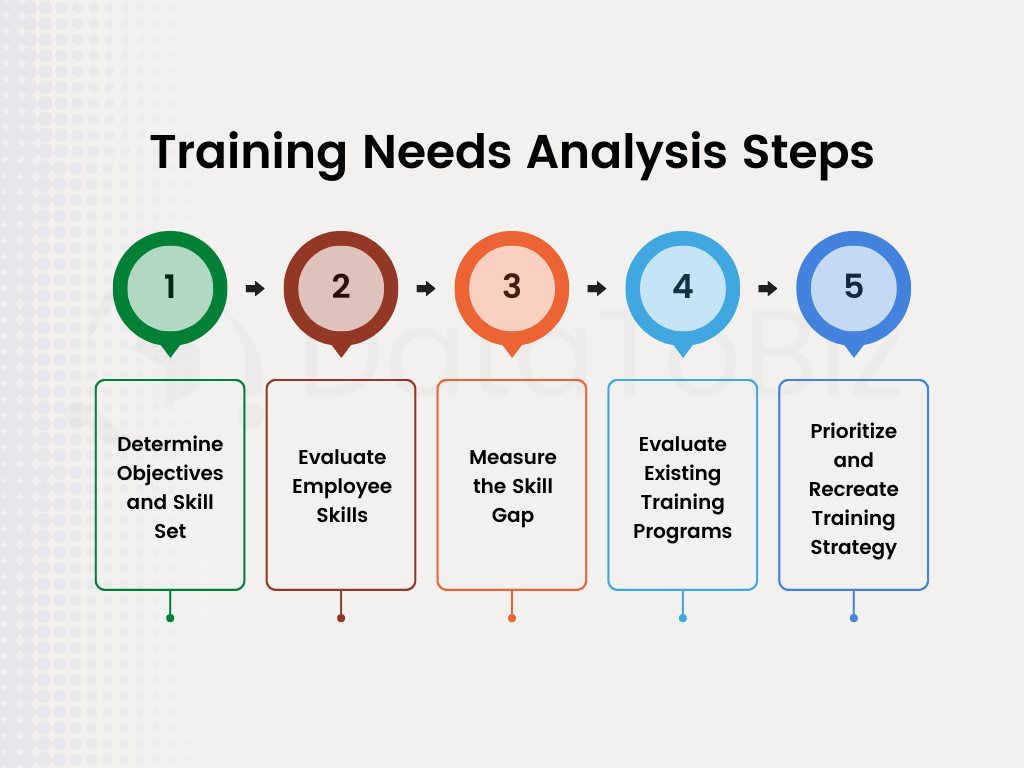
![A Guide to Conducting a Training Needs Analysis [Free Template]](https://hackstar.web.id/wp-content/uploads/2025/09/training-needs-analysis-example-outline.png "A Guide to Conducting a Training Needs Analysis [Free Template]")
In conclusion, a new animal rescue’s success hinges on a well-defined and comprehensive training program. This guide provides a framework for identifying, assessing, and addressing the specific training needs, from understanding the rescue’s unique mission to designing effective programs and measuring their impact. By following these steps, new rescues can equip their staff with the knowledge and skills necessary to provide optimal care and support to the animals in their charge.