Successfully transporting your beloved pet often hinges on proper acclimation to a carrier or crate. This crucial process fosters a positive association with these essential tools, ensuring a stress-free experience for both you and your furry friend. Understanding the steps involved, from initial preparation to advanced strategies, is paramount for a smooth transition. This guide provides a detailed roadmap to help you navigate the acclimation process with confidence.
Proper acclimation involves creating a positive and safe environment within the carrier or crate, gradually introducing your pet to it, and addressing any fear or anxiety they might exhibit. This guide will cover various techniques, tailored to different pet types, to ensure a successful outcome.
Introduction to Acclimation
Acclimation, in the context of pet carriers or crates, refers to the process of gradually introducing a pet to these enclosures. This process is crucial for fostering a positive association with the carrier or crate, which ultimately benefits both the pet and its owner. A properly acclimated pet will exhibit less stress and anxiety when traveling or confined to the carrier or crate.Gradual acclimation is vital for a pet’s well-being.
Sudden exposure to a carrier or crate can induce fear, anxiety, and stress, leading to behavioral problems such as avoidance, aggression, or even physical health issues. Conversely, a gradual introduction builds trust and positive associations, making the carrier or crate a safe and comfortable space for the pet.
Benefits of Proper Acclimation
Proper acclimation provides numerous benefits. A well-acclimated pet will readily enter the carrier or crate without exhibiting signs of distress. This makes travel and handling much easier for both the pet and the owner. Furthermore, the positive association with the carrier or crate can facilitate veterinary visits, reducing stress and anxiety for the animal. A relaxed pet is a healthier pet.
Steps Involved in Acclimation
Acclimating a pet to a carrier or crate involves a series of carefully planned steps. These steps should be performed gradually, allowing the pet to adapt to the new environment at its own pace.
- Phase 1: Introduction and Familiarization: Begin by placing the carrier or crate in a visible location within the pet’s usual environment. Allow the pet to explore and investigate the carrier or crate at its own pace. Do not force the pet into the carrier or crate. Use positive reinforcement techniques, such as treats and praise, to associate the carrier or crate with positive experiences.
Avoid any negative interaction during this phase. This phase focuses on creating a neutral, even positive, association.
- Phase 2: Encouraging Entry: Once the pet is comfortable with the carrier or crate’s presence, gradually introduce the concept of entering. Place a treat or favorite toy inside. Encourage the pet to enter voluntarily, praising and rewarding any attempts. Avoid pushing or forcing the pet. If the pet hesitates, simply remove the carrier or crate and wait until the next session.
The aim is to create a positive reinforcement loop for entering.
- Phase 3: Extending Duration: Gradually increase the time the pet spends inside the carrier or crate. Start with short durations, such as a few minutes, and gradually increase the time as the pet becomes more comfortable. Maintain a positive and encouraging atmosphere. Use rewards to reinforce the behavior of staying in the carrier or crate. This phase emphasizes increasing the pet’s tolerance to being confined.
- Phase 4: Introducing Travel: Once the pet is comfortable spending extended periods inside the carrier or crate, start incorporating short trips outside the home. Begin with short, familiar trips, such as a trip to the backyard. Gradually increase the distance and duration of these trips, ensuring the pet remains calm and relaxed throughout the process. This phase aims to transition from a static enclosure to dynamic movement, maintaining a positive experience.
Initial Steps for Acclimation
Successfully acclimating a pet to a carrier or crate is a crucial step in pet ownership, enabling easier travel, veterinary visits, and even promoting a sense of security for the animal. This process requires careful preparation and gradual introduction to build a positive association.Proper preparation is key to a smooth transition. By creating a comfortable and safe environment within the carrier or crate, you establish a positive experience for your pet, fostering trust and reducing anxiety.
This, in turn, will lead to a more cooperative and less stressful experience for both you and your pet during travel or vet visits.
Preparing the Carrier or Crate
Creating an appealing and safe environment within the carrier or crate is paramount. A positive association with the carrier or crate is essential for future trips and veterinary visits. Ensure the pet feels secure and comfortable, as opposed to feeling confined or threatened.
- Comfort and Familiarity: Line the carrier or crate with familiar bedding or blankets. These familiar scents and textures can reduce anxiety. Avoid using strong-smelling or harsh materials. The pet’s favorite toys and/or a small amount of their regular food can be added as well. This helps them associate the crate with positive experiences.
- Safety First: Ensure the carrier or crate is sturdy and secure. Check for any sharp edges or potential hazards. Remove any items that could pose a danger to your pet. Properly secure the carrier or crate to prevent it from tipping over or shifting during transport.
- Accessibility: Position the carrier or crate in a quiet, accessible location where your pet can easily observe and interact with it. This allows them to become comfortable with the presence of the carrier or crate.
Making the Carrier or Crate a Positive Experience
Creating a positive experience is essential to success. This involves making the carrier or crate a safe haven, not a place of confinement.
- Positive Reinforcement: Reward your pet with treats, praise, or a favorite toy whenever they exhibit calm behavior near the carrier or crate. This association helps build positive associations.
- Playtime: Use the carrier or crate as a designated play area. Engage your pet in fun activities within the carrier or crate. This can be a valuable way to turn the carrier or crate into a place of positive interaction.
- Free Exploration: Allow your pet to explore the carrier or crate freely, without pressure or confinement. This allows them to get accustomed to the space and understand that it is not a negative place. Do not force your pet into the carrier or crate. Instead, allow them to enter it at their own pace.
Initial Exposure Procedure
A structured introduction process is essential for a successful acclimation.
- Initial Exposure: Place the carrier or crate in a location where your pet frequently spends time. Allow your pet to approach and explore it at their own pace. Do not force your pet into the carrier or crate. If your pet enters the carrier or crate on their own, reward them with positive reinforcement.
- Gradual Transition: Gradually increase the time your pet spends in the carrier or crate. Begin with short periods and gradually extend the duration. Use positive reinforcement to reward calm behavior.
- Positive Reinforcement During Visits: Reward your pet with treats or praise when they exhibit calm behavior inside the carrier or crate during veterinary visits or travel. This reinforces the positive association.
Gradual Exposure Techniques
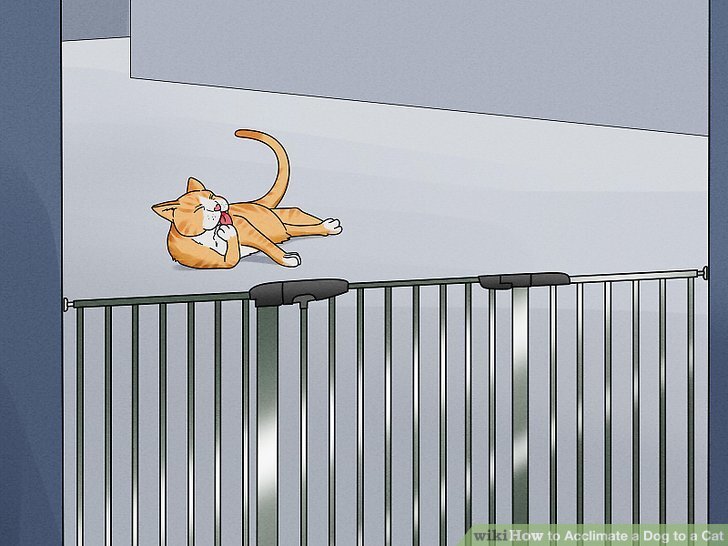
Acclimating a pet to a carrier or crate is a gradual process that requires patience and positive reinforcement. Rushing this process can lead to stress and anxiety for your pet, hindering the ultimate goal of comfortable travel or confinement. Employing gradual exposure techniques helps build positive associations with the carrier or crate, ensuring a smooth transition.This section will Artikel various methods to introduce your pet to their carrier or crate, emphasizing the crucial role of positive reinforcement and reward-based training.
Using treats and toys effectively motivates your pet and creates a positive experience, which is vital for success. Strategies for progressively increasing the time your pet spends inside the carrier or crate will also be discussed.
Positive Reinforcement Strategies
Positive reinforcement is the cornerstone of successful acclimation. By associating the carrier or crate with positive experiences, your pet learns to view it as a safe and comfortable space. Rewarding desired behaviors, such as approaching or entering the carrier, strengthens these positive associations.
Methods for Gradual Introduction
Several methods can be employed for introducing your pet to their carrier or crate gradually. A crucial aspect is to never force your pet into the carrier.
- Scent Association: Place familiar items, such as blankets or toys, inside the carrier. This helps your pet associate the carrier with comforting scents and objects, promoting a positive association. For example, placing a blanket that your pet frequently sleeps on inside the carrier can quickly transform the experience into a more familiar one.
- Short, Positive Interactions: Allow your pet to explore the carrier or crate in a relaxed and positive environment. Initially, keep the duration short, perhaps just a few minutes, and ensure the interaction is always positive. Reward any interaction, such as sniffing or investigating the carrier. This step fosters curiosity and positive engagement.
- Treat-Based Training: Use treats as rewards for approaching the carrier or crate. Gradually increase the duration of time your pet spends near the carrier. Rewarding desirable behaviors such as approaching the carrier, entering the carrier, or remaining inside for short periods creates a strong positive reinforcement loop.
- Introducing Toys and Activities: Place your pet’s favorite toys or engage them in enjoyable activities inside the carrier or crate. This transforms the space into a place of fun and relaxation. For instance, if your pet loves chewing, place a durable chew toy inside the carrier.
- Increasing Time Inside: Gradually increase the time your pet spends inside the carrier or crate, building a sense of comfort and security. Begin with short intervals, such as a few minutes, and progressively extend the duration as your pet becomes accustomed to the space. A gradual increase in time spent inside, reinforced with treats and positive interactions, helps to build confidence.
Utilizing Treats and Toys
Using treats and toys effectively motivates your pet and strengthens positive associations with the carrier or crate.
- High-Value Treats: Select treats that your pet finds particularly enticing. These high-value treats will act as powerful motivators, reinforcing desirable behaviors. Examples include small pieces of cooked meat or specialized training treats.
- Interactive Toys: Use interactive toys to engage your pet while inside the carrier or crate. This helps keep them occupied and interested in the space. Puzzle feeders, for instance, can keep your pet entertained while encouraging them to stay inside.
- Strategic Placement: Strategically place treats and toys within the carrier or crate to encourage your pet to enter and explore. This tactic motivates exploration and helps build positive associations with the carrier.
Increasing Time in the Carrier/Crate
Increasing the time your pet spends in the carrier or crate is crucial for acclimation. This section describes how to progressively extend the time spent inside the carrier or crate.
- Gradual Progression: Gradually increase the duration of time your pet remains inside the carrier or crate, ensuring that they remain comfortable and relaxed.
- Positive Reinforcement: Continuously use positive reinforcement techniques, such as treats and praise, to maintain a positive association with the carrier or crate.
- Short Sessions: Maintain short sessions to prevent your pet from becoming overwhelmed. A series of short, positive interactions is preferable to one long, potentially stressful session.
Addressing Fear and Anxiety
Acclimating a pet to a carrier or crate can sometimes be challenging, particularly when fear or anxiety arises. Understanding the signs of these emotions and employing appropriate strategies can significantly ease the process, leading to a more positive experience for both pet and owner. Positive reinforcement techniques and calming methods are crucial in mitigating stress and fostering a sense of security during this transition.Fear and anxiety during acclimation manifest in various behavioral cues, ranging from subtle signs to overt displays.
Recognizing these indicators is vital for implementing effective intervention strategies. Addressing these emotional responses promptly and appropriately helps prevent the development of long-term fear associations with the carrier or crate.
Common Signs of Fear or Anxiety
Recognizing the subtle and overt signs of fear or anxiety in pets is essential for timely intervention. These behaviors can vary greatly between animals, but some common indicators include:
- Vocalizations: Whining, whimpering, or barking can indicate distress. The intensity and frequency of these sounds can vary depending on the pet’s temperament and the severity of the anxiety.
- Changes in Body Language: Tail tucked, ears flattened against the head, dilated pupils, and a hunched posture are common signs of fear. These physical manifestations reflect the pet’s internal state of distress.
- Avoidance Behaviors: Refusal to enter the carrier or crate, attempts to escape, or exhibiting signs of agitation around the carrier are strong indications of anxiety. These behaviors are often associated with a negative association.
- Physiological Changes: Increased heart rate, rapid breathing, tremors, or excessive panting can signal significant anxiety. Monitoring these physical responses is crucial for understanding the pet’s level of distress.
Addressing Fear and Anxiety with Positive Reinforcement
Employing positive reinforcement techniques is paramount in mitigating fear and anxiety during acclimation. These methods focus on rewarding desired behaviors rather than punishing undesirable ones.
- Reward-Based Training: Offering treats, praise, or toys when the pet exhibits calm and accepting behaviors around the carrier or crate creates positive associations. This encourages the pet to associate the carrier with pleasant experiences.
- Gradual Exposure: Slowly introduce the pet to the carrier or crate, starting with short periods of time and progressively increasing duration. This gradual approach allows the pet to acclimate at its own pace, reducing stress and promoting a sense of control.
- Safe Space: Creating a safe space within the crate or carrier is critical. A familiar blanket, toys, or a comforting scent can provide a sense of security and comfort. This reduces the feeling of being exposed to something new and unfamiliar.
Calming Techniques for Anxious Pets
Implementing calming techniques alongside positive reinforcement can significantly reduce anxiety during acclimation. These methods aim to reduce stress hormones and promote a sense of relaxation.
- Use of Calming Aids: Products like pheromone diffusers or calming music can create a more relaxed environment. These tools provide a sense of security and familiarity.
- Environmental Modifications: Minimize loud noises and distractions during acclimation. Create a quiet and comforting space for the pet to associate the carrier or crate with relaxation.
- Physical Touch: Gentle petting or massage can help reduce anxiety. This should be done calmly and with the pet’s consent.
Comparison of Methods for Managing Fear and Anxiety
Different methods for managing fear and anxiety have varying degrees of effectiveness. A comprehensive approach that combines positive reinforcement, gradual exposure, and calming techniques is often most effective.
- Positive Reinforcement vs. Punishment: Positive reinforcement methods are far more effective than punishment. Punishment can increase fear and anxiety, creating a negative association with the carrier or crate.
- Gradual Exposure vs. Sudden Introduction: Gradual exposure techniques are preferred to avoid overwhelming the pet. Sudden introduction can lead to heightened anxiety and a reluctance to engage with the carrier or crate.
Maintaining a Positive Association
Establishing a positive association between your pet and their carrier or crate is crucial for successful travel and management. A positive experience fosters trust and reduces anxiety, making future interactions smoother. This positive connection becomes a valuable tool for managing various situations, from routine vet visits to emergency travel.A well-maintained positive association translates into a more relaxed and comfortable pet, reducing stress for both you and your animal companion.
This method focuses on creating happy and comfortable experiences within the carrier or crate environment, thereby reinforcing the idea that these spaces are safe and enjoyable.
Using the Carrier or Crate for Positive Experiences
Creating positive experiences within the carrier or crate involves careful planning and execution. These experiences should be enjoyable and memorable for your pet. This includes offering treats, playing games, and providing comforting items like a favorite blanket or toy inside. These positive associations are not one-time occurrences but rather a series of reinforcing experiences.
Positive Reinforcement Techniques
Positive reinforcement is an invaluable tool in shaping positive associations. Rewarding desired behaviors, such as calm behavior within the carrier or crate, is a key element. When your pet displays calmness or curiosity about the carrier or crate, reward them immediately with a highly-valued treat, praise, or a favorite toy. Consistency in these rewards is paramount to creating a strong positive association.
For example, if your dog settles quietly in their crate, immediately reward them with a small treat and verbal praise.
Incorporating the Carrier or Crate into Daily Routines
Integrating the carrier or crate into daily routines is an effective way to establish a positive association. Keep the carrier or crate visible and accessible. Allow your pet to enter and explore the space freely, without any pressure or force. You can also leave the door open for a period of time, allowing your pet to enter and exit at their own pace.
For instance, placing the crate in a high-traffic area, such as the living room, can normalize its presence. This strategy encourages the pet to view the carrier or crate as a welcoming and safe environment.
- Short, Positive Interactions: Brief, positive interactions with the carrier or crate, such as allowing your pet to sniff around the inside, are crucial in establishing a positive association. Short sessions, repeated frequently, are more effective than lengthy, potentially stressful, exposures.
- Feeding Time: Consider using the carrier or crate as a designated feeding area. This association can help create a positive association with the space.
- Travel Practice: Regular, short practice trips in the carrier, even if they’re just around the house, can help your pet become accustomed to the carrier. Make these trips enjoyable by including treats and praise.
- Safe Space: The carrier or crate should be perceived as a safe space, away from the potential for stressors. This can involve associating the space with calming activities, such as playtime with a favorite toy or a quiet nap.
Handling Different Pet Types
Acclimating pets to carriers or crates requires understanding their unique needs and behaviors. Different species, sizes, and temperaments necessitate tailored approaches. This section details how to adjust acclimation strategies for dogs, cats, and small animals, taking into account their varying sensitivities and personalities.Acclimation is not a one-size-fits-all process. Careful observation and adaptation are crucial to ensure the process is positive and stress-free for the pet.
Individualized strategies, recognizing the specific nuances of each pet, are key to successful acclimation.
Acclimation Strategies for Dogs
Dogs, generally more tolerant of structured environments, often respond well to positive reinforcement methods. Consistent training and rewarding desired behaviors, such as entering the carrier or crate voluntarily, are key components of the acclimation process. A predictable routine and a safe, comfortable space are also important.
- Positive Reinforcement Training: Using treats, praise, and toys to encourage entry and activity inside the carrier can be highly effective. Gradually increase the duration of time spent inside the carrier, associating it with positive experiences. For example, feeding meals or providing a favorite chew toy inside the carrier can create positive associations.
- Desensitization to Handling and Noise: Gradually introduce the carrier or crate to the dog’s environment, placing it in familiar locations and allowing the dog to investigate it without pressure. Gradually introduce noises associated with the carrier, such as closing the door, to desensitize the dog.
- Addressing Separation Anxiety: If separation anxiety is a concern, gradual exposure to short absences is crucial. Begin with short periods and gradually increase the duration, reinforcing calm behavior during these periods.
Acclimation Strategies for Cats
Cats, known for their independence and sensitivity, require a more subtle and gradual approach. Creating a safe, familiar space inside the carrier is paramount. Cats often respond better to scent-based associations and a secure, enclosed environment.
- Scent Conditioning: Placing familiar items, such as bedding or toys, inside the carrier can help associate it with comfort and security. Cats are scent-oriented animals, so the carrier’s interior should have a familiar smell. For example, rubbing a favorite blanket inside the carrier can create a familiar scent.
- Enclosed Space: Cats may feel more secure in a confined space. The carrier or crate should offer a feeling of enclosure, similar to a den. Ensure the carrier is not too large, or the cat might feel overwhelmed.
- Avoid Forceful Handling: Never force a cat into the carrier. Patience and positive reinforcement are essential. If the cat shows signs of distress, stop and try again later. Reward any attempts to approach or enter the carrier.
Acclimation Strategies for Small Animals
Small animals, such as rabbits, hamsters, and birds, require unique considerations based on their specific needs and behaviors. Understanding their natural behaviors and providing an environment that mimics their natural habitat are key to successful acclimation.
- Mimicking Natural Habitat: Provide bedding, toys, and food sources that are similar to what the animal would find in their natural environment. The carrier or cage should feel like a familiar, safe home. For example, for rabbits, include a comfortable hay bed and tunnels for exploration.
- Gradual Introduction: Slowly introduce the carrier or crate to the animal’s environment, allowing them to explore and become accustomed to the scent and space. Allow them time to adjust to the new environment without pressure or force.
- Individualized Needs: Each species of small animal has specific needs. Research the specific requirements of the animal to ensure the carrier or crate meets those needs. For instance, hamsters require a secure, enclosed space for burrowing.
Common Mistakes to Avoid
Acclimating a pet to a carrier or crate is a crucial process that requires patience and understanding. Avoiding common pitfalls can significantly improve the success rate and minimize stress for both the pet and the owner. A well-executed acclimation process fosters a positive association with the carrier or crate, making it a safe and comfortable space for the pet.Many owners, in their eagerness to expedite the process, inadvertently make mistakes that hinder progress.
These errors often stem from a lack of understanding of animal behavior and the importance of gradual exposure. Recognizing these mistakes and implementing alternative strategies is essential for successful acclimation.
Rushing the Process
A critical mistake is trying to force the acclimation process. Pets need time to adjust to a new environment. Attempting to rush the process can create fear and anxiety, associating the carrier or crate with negative experiences. Instead, focus on gradual exposure and positive reinforcement. This approach allows the pet to develop a sense of comfort and safety, ultimately leading to a successful acclimation.
A gradual introduction allows the pet to associate the carrier or crate with positive experiences like treats and praise, fostering a sense of security.
Ignoring Signs of Stress
Failing to recognize and address signs of stress during the acclimation process can be detrimental. These signs can include panting, whimpering, trembling, or hiding. If a pet exhibits these behaviors, it’s crucial to stop the acclimation process immediately and provide a safe space. Taking breaks and creating a calm environment are essential to prevent the development of negative associations.
By acknowledging and addressing these signs, owners can adjust their approach and prevent the acclimation from becoming a source of stress or anxiety.
Using Punishment or Force
Using punishment or force during acclimation is counterproductive. This method often creates fear and mistrust, leading to a negative association with the carrier or crate. A positive reinforcement approach, using rewards and praise, is much more effective. Positive reinforcement techniques can create a positive association with the carrier, turning it into a safe space for the pet.
The goal is to build a positive association, not to force compliance.
Providing Insufficient Enrichment
Insufficient enrichment during the acclimation process can lead to frustration and boredom. Pets need mental and physical stimulation to stay engaged and motivated. Enrichment strategies can involve toys, puzzles, or even short training sessions within the carrier. By providing appropriate enrichment, owners can keep their pets engaged and occupied, reducing their anxiety and making the process more enjoyable.
This helps create a more positive experience, turning the carrier into a place where the pet enjoys exploring and playing.
Lack of Patience and Consistency
A lack of patience and consistency in the acclimation process can significantly hinder progress. The process requires time, patience, and a consistent approach. Inconsistency in routines and expectations can confuse the pet and make it harder to associate the carrier or crate with a positive experience. A consistent routine is essential for building trust and predictability. By maintaining a consistent schedule and approach, owners can create a predictable environment that fosters comfort and security.
Advanced Acclimation Strategies
For pets exhibiting significant fear or anxiety surrounding carriers or crates, more intensive acclimation strategies are necessary. These methods often involve a phased approach, focusing on gradual desensitization and building a positive association. Understanding and addressing the root cause of the fear is crucial for long-term success.A tailored approach is essential. One size does not fit all, and the specific techniques and duration of acclimation will vary based on the individual pet’s personality, breed, and past experiences.
Patience and consistency are paramount. The key is to move slowly, reinforcing positive interactions at each step, and avoiding overwhelming the animal.
Desensitization Techniques
Desensitization techniques are crucial for gradually reducing a pet’s fear response to the carrier or crate. This method involves exposing the pet to progressively more intense stimuli related to the carrier, such as its appearance, sound, and smell. This process reduces the pet’s fear response by associating the carrier with positive experiences.
- Initial Exposure: Introduce the carrier or crate in a neutral environment. Place it in the room where the pet spends most of its time, but keep the pet at a comfortable distance. Allow the pet to explore the carrier or crate at its own pace. Rewards and praise for calm behavior are vital.
- Controlled Exposure: Gradually increase the time the pet spends near the carrier. Use treats, toys, or other positive reinforcement tools to reward calm behavior. Introduce scents associated with the pet’s comfort, such as its favorite blanket or toys.
- Sound Desensitization: Play recordings of the carrier or crate’s sounds at a low volume, gradually increasing the volume over time. The pet should associate the sound with pleasant experiences.
- Sensory Exposure: Introduce the pet to the carrier or crate’s physical characteristics, such as the texture of the material. Use positive reinforcement techniques during these sessions.
Addressing Persistent Fear
Persistent fear requires a more comprehensive approach, often involving a veterinarian or certified animal behaviorist. Addressing the underlying causes of the fear is key to long-term success.
- Professional Consultation: If the fear persists, consult a veterinarian or certified animal behaviorist. They can assess the pet’s behavior and recommend tailored strategies, including medication if necessary.
- Environment Modification: Ensure the carrier or crate is placed in a calm, secure, and familiar environment. Avoid high-traffic areas or locations that may trigger additional stress for the pet.
- Positive Reinforcement Techniques: Utilize positive reinforcement techniques to create a positive association with the carrier or crate. Pair the carrier or crate with enjoyable activities, such as meal times or play sessions.
Long-Term Acclimation Plans
Long-term acclimation plans should be customized to the pet’s individual needs.
- Phased Approach: A phased approach is recommended, with short, regular sessions. Gradually increase the duration and intensity of exposure to the carrier or crate over time.
- Consistency is Key: Consistent positive reinforcement is essential. Avoid sudden changes or interruptions in the acclimation process.
- Example Plan: One example plan might involve 5-minute sessions daily for a week, progressing to 10 minutes, then 15 minutes, and so on, until the pet comfortably accepts the carrier or crate.
Using Visual Aids
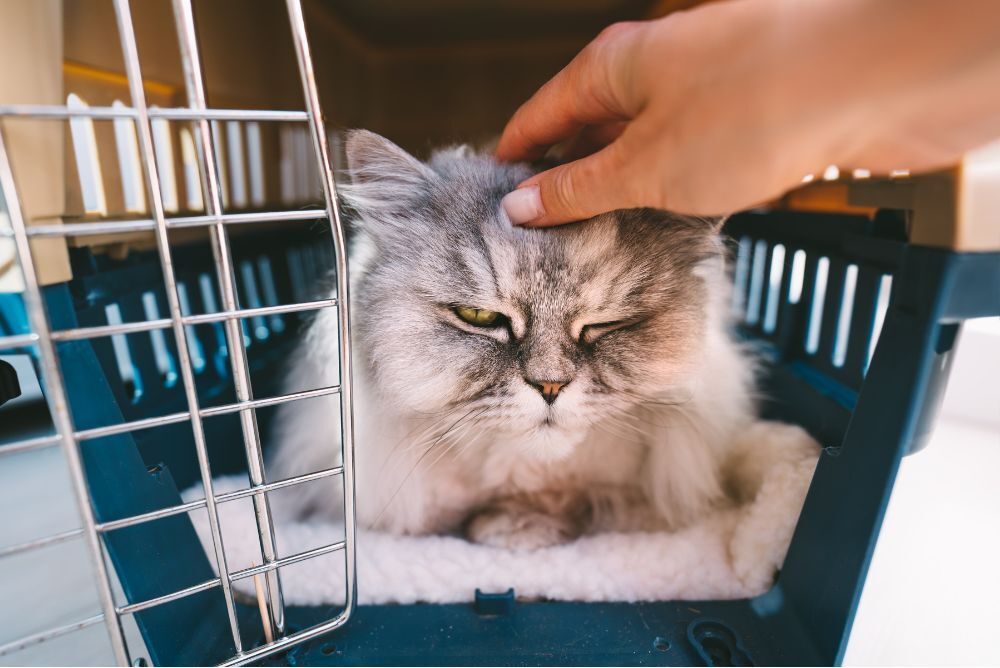
Visual aids can significantly enhance the acclimation process by providing tangible representations of the carrier or crate, and the experience it should evoke. This can help pets feel more comfortable and less apprehensive about the unfamiliar space. By understanding the different types of carriers and crates, the positive reinforcement methods, gradual exposure techniques, and potential anxieties, owners can tailor their approach to suit their pet’s specific needs and preferences.
Carrier/Crate Type Comparison
Visualizing different carrier and crate types can help pet owners select the most appropriate option for their animal. Understanding the features and potential advantages or disadvantages is crucial.
| Carrier/Crate Type | Features | Pros | Cons |
|---|---|---|---|
| Hard-sided Carrier | Durable, secure, often with multiple ventilation options. May be heavier. | Offers excellent protection, security, and can be more easily cleaned. | Can be less portable due to weight. |
| Soft-sided Carrier | Lightweight, portable, often collapsible. May have limited ventilation. | Easy to transport, store, and less expensive than hard-sided. | May not provide the same level of security or protection. |
| Wire Crate | Lightweight, often stackable. Good ventilation. | Excellent visibility and ventilation, cost-effective. | Can be less secure than hard-sided options, may feel less comforting for some pets. |
| Plastic Crate | Durable, easy to clean, often stackable. Varying ventilation options. | Provides good security, easy to clean and maintain. | May feel less comfortable for some pets compared to soft-sided options. |
Positive Reinforcement Methods
Understanding different positive reinforcement methods is vital for a successful acclimation process. Each method plays a unique role in associating the carrier or crate with positive experiences.
| Method | Description | Examples | Effectiveness |
|---|---|---|---|
| Treats | Rewarding desired behaviors with treats. | Offering a favorite treat when the pet enters the carrier, or remains calm. | Highly effective, creates positive associations. |
| Praise | Verbal encouragement and affection. | Using words like “good boy/girl,” petting the pet, or gentle head scratches. | Effective for building trust and positive feelings. |
| Toys | Providing engaging toys to stimulate interest. | Placing a favorite toy inside the carrier to encourage exploration. | Can be highly effective, especially for engaging pets. |
Gradual Exposure Techniques
Implementing gradual exposure techniques is crucial for reducing anxiety and creating a positive association with the carrier or crate.
| Technique | Description | Examples | Duration |
|---|---|---|---|
| Scent Conditioning | Introducing the scent of the carrier/crate to the pet. | Placing a blanket or towel inside the carrier and letting the pet sniff it. | A few days to a week, depending on the pet’s reaction. |
| Short Visits | Brief periods inside the carrier. | Putting the pet in the carrier for 5-10 minutes, gradually increasing the time. | 1-2 weeks, depending on the pet’s progress. |
| Positive Reinforcement | Rewarding calm behavior inside the carrier. | Giving treats when the pet remains calm in the carrier. | Ongoing, as the pet learns to associate the carrier with positive experiences. |
Common Signs of Anxiety
Recognizing common signs of anxiety is essential for adapting acclimation strategies.
| Sign | Severity | Mitigation Strategies | Example |
|---|---|---|---|
| Panting | Mild | Ensure adequate ventilation, provide water. | Pet panting lightly while in the carrier. |
| Whining/Barking | Moderate | Reduce exposure time, use positive reinforcement. | Pet whimpering while in the carrier. |
| Avoidance | Severe | Extend the gradual exposure period, consult a vet. | Pet refusing to enter the carrier. |
| Trembling | Severe | Reduce exposure time drastically, consult a veterinarian immediately. | Pet shaking uncontrollably when placed in the carrier. |
Visual Representation of Acclimation Process
Visual aids, such as flowcharts and step-by-step procedures, are invaluable tools for understanding and implementing the acclimation process for pets. These visual representations help pet owners visualize the progression of acclimation, making the process less daunting and more manageable. Clear steps, illustrated in a logical order, provide a roadmap for successful acclimation, ensuring a positive and stress-free transition for both the pet and the owner.Visual representations, such as flowcharts, provide a clear and concise overview of the entire process.
They allow pet owners to see the different stages involved and how each step connects to the next. This structured approach promotes a more methodical and effective acclimation process, minimizing anxiety and maximizing positive outcomes.
Dog Carrier Acclimation Flowchart
The flowchart below illustrates the process of acclimating a dog to a carrier. Visual representation simplifies the steps, making the process easier to understand and implement.
    Start
    |
    V
  Introduce Carrier (Neutral Environment)
    |
    V
  Positive Association (Treats, Praise)
    |
    V
  Short Exposure (Few Seconds, Gradually Increase)
    |
    V
  Controlled Environment (Familiar Room, Quiet)
    |
    V
  Increase Exposure Time (Few Minutes, Gradually Increase)
    |
    V
  Longer Exposure (30 Minutes, Gradually Increase)
    |
    V
  Overnight Exposure (In Home, Crate)
    |
    V
  Successful Acclimation
    |
    V
  End
Dog Carrier Acclimation Procedure
This structured approach guides you through the process of acclimating your dog to a carrier, fostering a positive association.
- Introduce the Carrier: Place the carrier in a neutral location where your dog spends time. Avoid areas associated with anxiety or negative experiences. Do not force your dog into the carrier.
- Positive Association: Associate the carrier with positive experiences. Place treats, toys, or familiar blankets inside. Let your dog explore the carrier on their own terms.
- Short Exposure: Open the carrier door for a few seconds, allowing your dog to sniff and explore. Gradually increase the duration of exposure each session. Do not force your dog inside.
- Controlled Environment: Move the carrier to a familiar and quiet room. This helps reduce distractions and promotes relaxation.
- Increase Exposure Time: Increase the time your dog spends inside the carrier gradually. Start with a few minutes and progressively increase the duration.
- Longer Exposure: Gradually increase the time to 30 minutes or more, depending on your dog’s comfort level.
- Overnight Exposure (Optional): If the dog has acclimated well, try placing the carrier in the bedroom overnight.
Cat Carrier Acclimation Procedure
This step-by-step approach ensures a positive transition for your cat to a carrier.
- Introduce the Carrier: Place the carrier in a familiar area where your cat frequently spends time.
- Positive Association: Place a familiar bed, toys, or a blanket inside the carrier. Leave the carrier door open so your cat can enter and exit at will.
- Short Exposure: Gently place your cat inside the carrier for a few seconds, allowing them to explore. Avoid forcing your cat into the carrier.
- Treats and Rewards: Reward your cat with treats and praise each time they willingly enter the carrier.
- Controlled Environment: Move the carrier to a quiet, enclosed space. Avoid places where your cat may feel stressed.
- Increase Exposure Time: Gradually increase the time your cat spends inside the carrier. Start with a few minutes and progressively increase the duration.
- Short Trips: Take short trips with the carrier, starting with short distances, rewarding your cat upon return.
Visual Guide for Acclimation
| Step | Description | Image Description |
|---|---|---|
| 1 | Introduce the carrier in a neutral environment. | A carrier is placed in a living room corner. The dog is sniffing around it. |
| 2 | Create a positive association. Place treats and toys inside. | A dog is sniffing treats and toys inside the carrier. |
| 3 | Short exposure, gradually increasing duration. | The dog is inside the carrier for a few seconds, sniffing around. |
| 4 | Move the carrier to a quiet environment. | The carrier is moved to a quiet corner of the house. |
| 5 | Gradually increase exposure time. | The dog is inside the carrier for a few minutes, calmly exploring. |
Summary
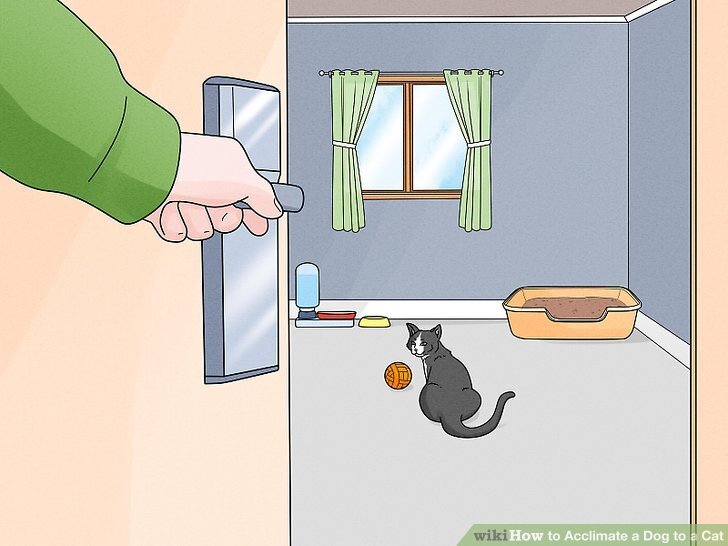
In conclusion, acclimating your pet to a carrier or crate is a vital aspect of pet ownership. By following the comprehensive steps Artikeld in this guide, you can foster a positive association, reduce stress, and ensure a comfortable and safe experience for your pet during transport and other situations. Remember that patience, consistency, and positive reinforcement are key to success.
This guide offers a wealth of knowledge and practical advice to help you create a smooth transition for your pet.